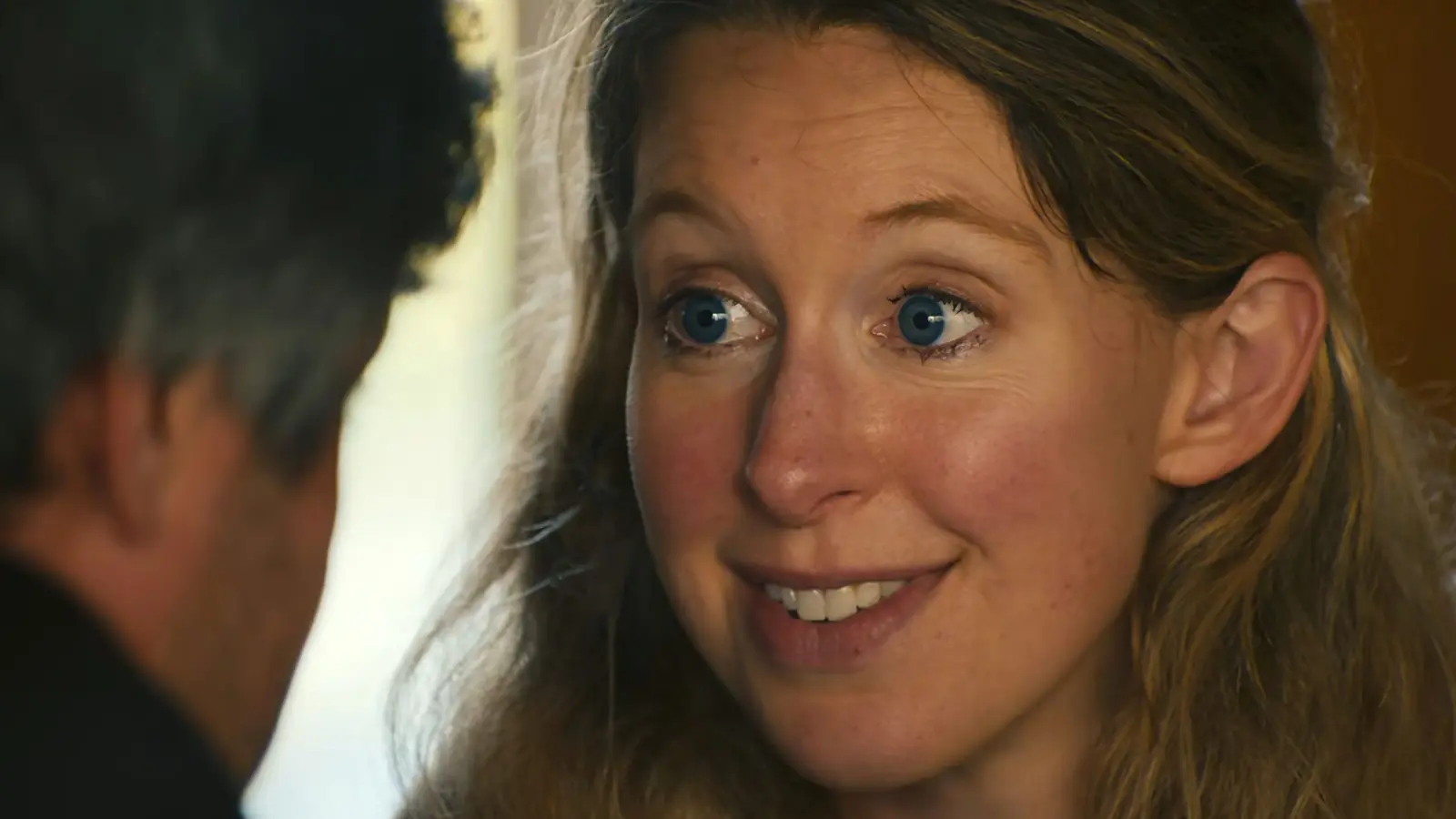
A Cinematic Study of Deception
The documentary You Can See Everythinghas become the most significant box-office disappointment in modern cinema history. Directed by Nathan Fielder and Lance Oppenheim, the 174-minute film chronicles the final days of Elizabeth Holmes before her incarceration. Despite massive pre-release hype, the project failed to maintain its momentum after an initial opening weekend.
Culture picks
 The Vampire Diaries: Most Rewarding Character Journeys
 Netflix Officially Ends Shadow and Bone Franchise After Cancellation
 Nicolas Cage Returns as Spider-Noir in HBO Series
 A Dark Fantasy Masterpiece That Outshines Supernatural
The film explores the downfall of the Theranos founder following her conviction for defrauding investors. While the production team secured unprecedented access to Holmes, the lengthy runtime and dense subject matter proved difficult for general audiences. The documentary managed to gross $15 million, a figure that pales in comparison to its massive production budget and marketing spend.
Fielder and Oppenheim attempted to craft an intimate portrait of a disgraced tech mogul. The film relies on long, observational sequences that document Holmes navigating her legal battles and personal life. Critics suggest that the pacing feels sluggish, often mirroring the tedious nature of the legal proceedings themselves.
Why Did the Public Turn Away?
The directors aimed for a raw, unfiltered look at the Theranos scandal. By focusing on the quiet moments before her prison sentence, they hoped to provide a human perspective on a high-profile white-collar crime. However, the sheer duration of the feature seems to have alienated viewers who expected a more traditional true-crime narrative.
Industry analysts point to the oversaturation of Theranos-related media as a primary factor for the film’s failure. With numerous podcasts, books, and television series already covering the Holmes saga, audiences may have reached a point of exhaustion. The decision to release a nearly three-hour documentary likely limited its appeal to only the most dedicated followers of the case.
The financial shortfall marks a rare stumble for the creative team involved. Future distribution strategies for similar projects will likely favor shorter runtimes and more focused storytelling. For now, the film stands as a cautionary tale about the limits of audience interest in well-trodden news stories.
Frequently Asked Questions
What is the central subject of the documentary? The film focuses on the life of Elizabeth Holmes, the founder of Theranos, during the period immediately preceding her imprisonment for investor fraud.
Why is this film considered a box-office failure? Despite a strong opening weekend, the documentary struggled to sustain interest and ultimately failed to recoup its substantial production and marketing costs.
Who directed this project? The documentary was a collaborative effort between Nathan Fielder, known for his work on The Rehearsal, and director Lance Oppenheim.