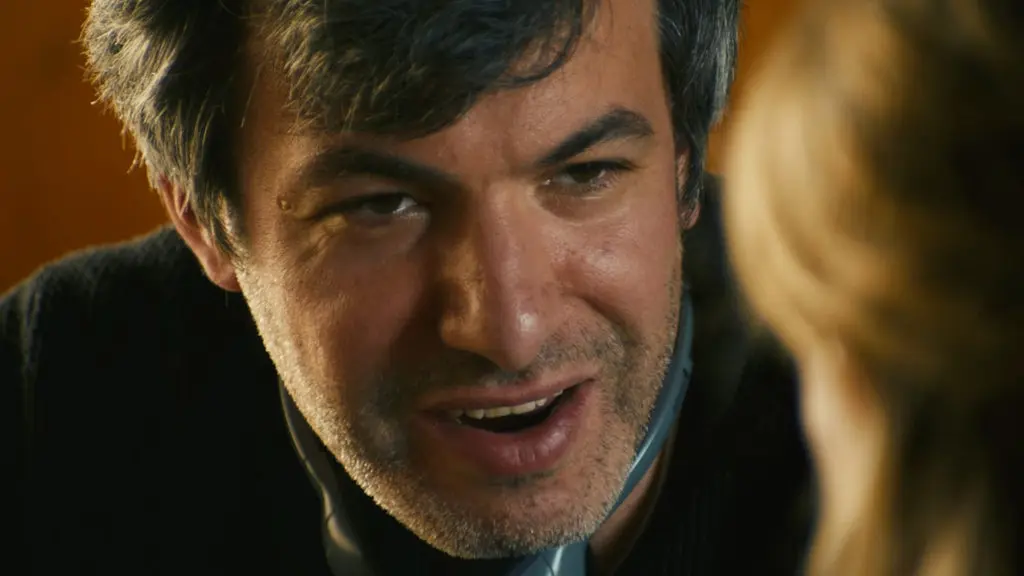
They intercut these conversations with footage of Holmes’ public appearances
A new film by Nathan Fielder and Lance Oppenheim promises to reshape how we view the genre, questioning the very notion of truth in documentary storytelling. The two filmmakers released their latest project in late 2025, debuting it at the Toronto International Film Festival before a global theatrical rollout. Their work follows the story of Elizabeth Holmes, the former founder of Theranos, and examines how her narrative was constructed, both by her own team and by the media. Fielder and Oppenheim argue that documentaries are not neutral witnesses; they are curated narratives shaped by the creators’ choices. By dissecting the production of the Holmes case, the film illustrates how editing, framing, and selective sourcing can transform facts into a compelling story that may diverge from reality. The Anatomy of a Constructed Truth In the documentary, the filmmakers interview former Theranos employees, legal experts, and journalists who covered the scandal.
Culture picks
 Josh Brolin Comments on Thanos vs Doctor Doom Matchup in Upcoming Avengers Films
 Cyberpunk: Edgerunners 2 Trailer Reveals New Season Ahead of Premiere
 RoboCop Reboot Gains Momentum With Original Creator's Involvement
 Bob Daly steps down as AFI Board Chair After Decade of Leadership
They intercut these conversations with footage of Holmes’ public appearances, court transcripts, and news clips. The film then pauses to highlight moments where the narrative could have taken a different direction, inviting viewers to question the authenticity of what they have seen. One striking scene shows a montage of Holmes speaking at a fundraising event, juxtaposed with a clip of a whistleblower describing the company’s fraudulent practices. The editors deliberately place these two images side by side, suggesting a contrast that may not fully capture the complexity of the situation. The filmmakers also reveal behind‑the‑scenes footage of their own production meetings, where they debate which interviews to keep and which to cut. By exposing their decision‑making process, they demonstrate how subjective choices influence the final product and, consequently, the audience’s perception of truth. Can a Documentary Truly Be Objective? Why do audiences still trust documentaries?
The answer lies in the genre’s reputation for authenticity
The answer lies in the genre’s reputation for authenticity. Yet the film shows that this trust can be misplaced. „A documentary is a narrative,” says Oppenheim. „It’s a story told with a particular angle.” The film’s title, Elizabeth Holmes Exposé , signals its intent to unravel the layers of myth that have surrounded Holmes. It asks whether the very medium that claims to reveal reality can, in fact, create a new reality. The documentary’s release has sparked debate among film critics, legal scholars, and the general public. Some praise its bold examination of media ethics, while others criticize it for potentially undermining the credibility of documentary filmmaking as a whole. What Happens to the Genre? If the film’s critique gains traction, documentary producers may feel pressured to disclose more of their creative process.
This could lead to greater transparency, but it might also dilute the emotional impact that audiences expect.
The film’s influence could extend beyond Hollywood. Journalists and educators may use it as a case study in media literacy courses, highlighting how narrative framing shapes public opinion. Ultimately, the documentary forces viewers to confront the idea that truth is not a single, fixed point but a construct shaped by those who tell the story. Whether this leads to a healthier relationship between audiences and documentaries remains to be seen. Frequently Asked Questions Q: What makes this documentary different from others about Elizabeth Holmes? A: It focuses on the filmmaking process itself, revealing how editors and producers shape the narrative, rather than merely recounting the facts of the scandal. Q: Did the filmmakers use any new technology in their production? A: They incorporated behind‑the‑scenes footage and real-time editing decisions, but no special effects or new visual techniques were employed.
Q: How has the public reacted to the film?
A: Reactions are mixed; some applaud its transparency, while others worry it could erode trust in documentary storytelling.