
How the Film Reconstructs a Modern Myth
A24’s new documentary You Can See Everything,directed by Nathan Fielder and Lance Oppenheim, premiered at the New York Film Festival, offering an intimate look at the rise and fall of Elizabeth Holmes. The film explores how the once-celebrated biotech founder transformed from a Silicon Valley visionary into a convicted fraudster, using personal archives and candid interviews to reconstruct her journey. It debuted amid renewed public interest in corporate accountability and the cult of personality in tech.
Culture picks
 Taylor Swift earns first CMA nomination in four years
 BTS Sets First Live Screening in South America
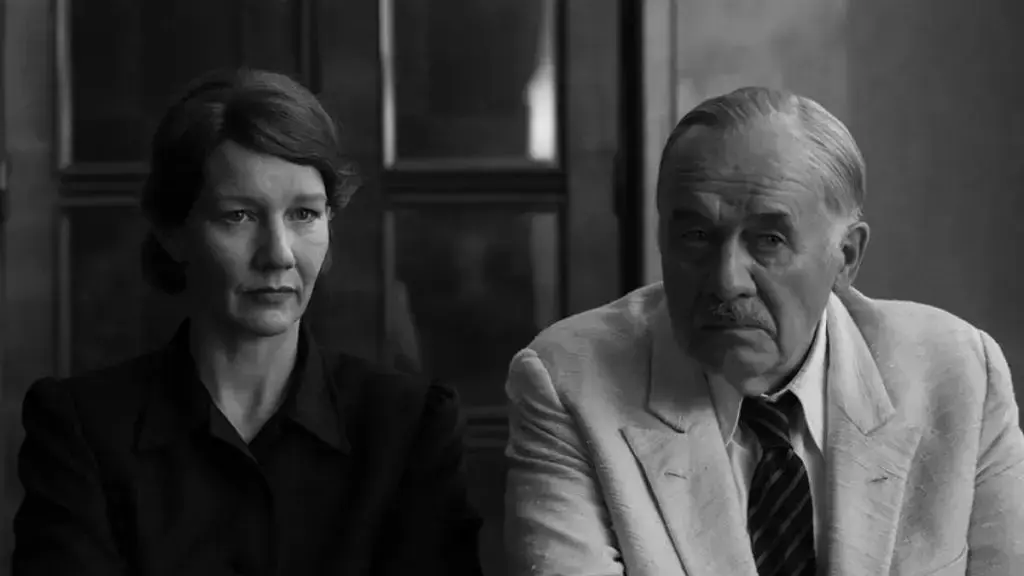 Fatherland Trailer Reveals Cold War Drama Starring Sandra Hüller
 Marvel’s Wolverine Delivers a Gritty, Linear X-Men Adventure
The documentary draws from extensive footage collected during Holmes’ tenure at Theranos, including internal meetings, product demonstrations, and private reflections. Fielder and Oppenheim employ a distinctive observational style, blending deadpan humor with stark realism to examine how ambition, deception, and media fascination converged. The film avoids sensationalism, instead focusing on the psychological and systemic factors that enabled the scandal to unfold over years.
What Does This Film Reveal About Our Trust in Innovation?
Through carefully curated clips and voiceover narration, You Can See Everythingtraces Holmes’ evolution from a Stanford dropout to a billionaire icon on magazine covers. The directors highlight contradictions in her public statements, juxtaposing them with internal Theranos emails that reveal growing technical failures. Rather than condemning Holmes outright, the film invites viewers to question the culture that celebrated her narrative long after evidence of fraud mounted. Critics at the festival noted its unsettling resemblance to a character study, where charm and conviction mask deeper dysfunction.
The documentary suggests that Holmes’ success was not merely a product of individual deceit but a reflection of broader societal tendencies to glorify youthful disruption without sufficient scrutiny. By showing how investors, journalists, and even government officials were swayed by her pitch, the film underscores the dangers of prioritizing narrative over verification. It raises uncomfortable questions about due diligence in venture capital and the role of media in amplifying unverified claims. The directors argue that understanding Holmes requires looking beyond her actions to the ecosystem that allowed her to thrive.
What new insights does the documentary offer about Elizabeth Holmes? The film presents previously unseen internal Theranos footage and personal reflections that illustrate how Holmes maintained belief in her vision despite mounting evidence of failure, revealing a complex mix of conviction and denial.
Frequently Asked Questions
Why did Nathan Fielder and Lance Oppenheim choose to make this film? The directors aimed to move beyond caricature and explore the psychological and cultural mechanisms that enabled the Theranos scandal, focusing on how storytelling and charisma can override rational skepticism in high-stakes environments.
What has been the audience reaction at the New York Film Festival? Early viewers described the film as gripping and thought-provoking, praising its restrained tone and ability to provoke reflection on innovation culture without resorting to judgment or simplification.