Behind the Scenes: DuVernay’s Creative Process
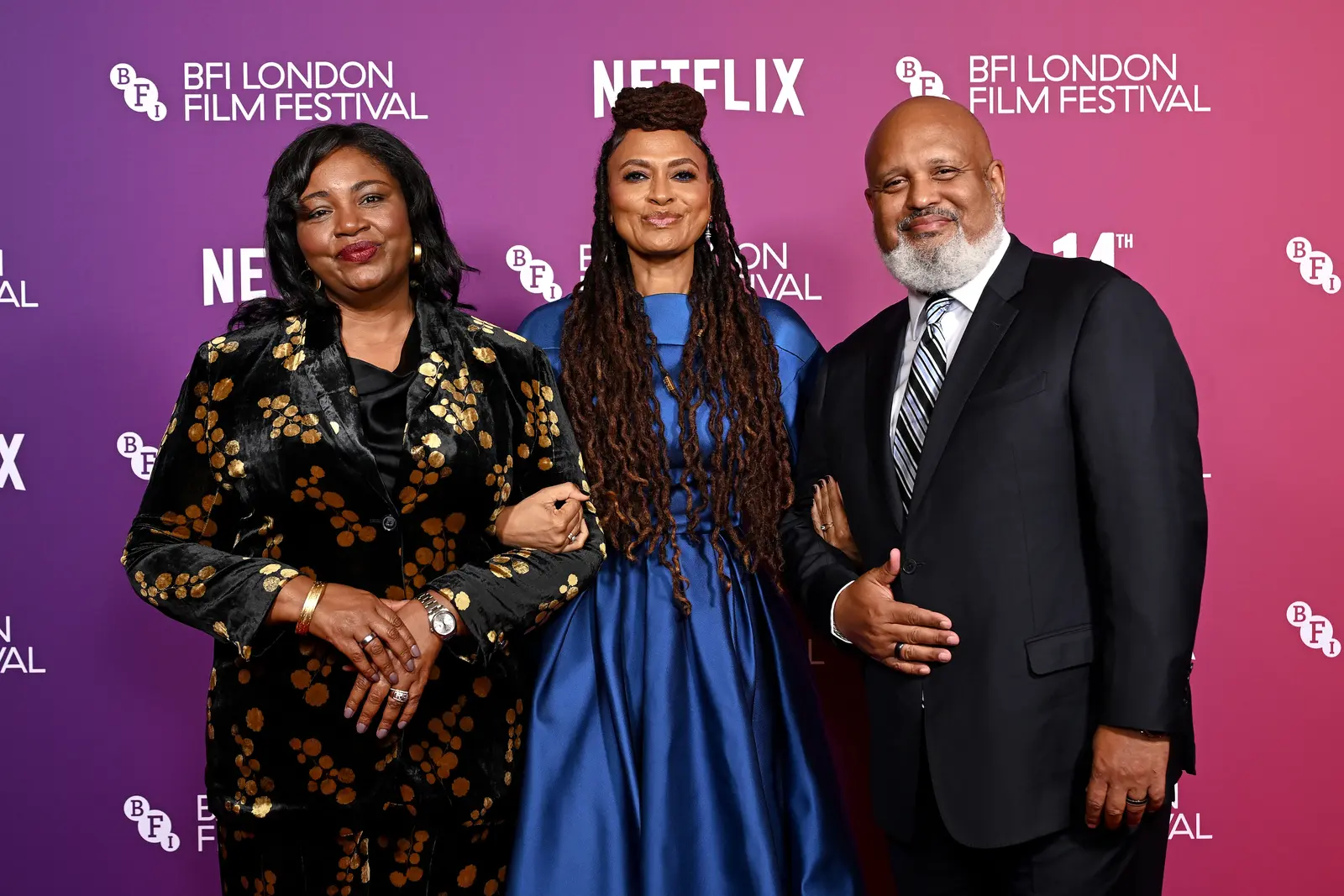
Ava DuVernay’s latest documentary, released on October 14, premiered as a Special Documentary Presentation at the London Film Festival. The film, produced and directed by DuVernay, followed its debut at the New York Film Festival on October 9. The London screening marked the documentary’s first European showing, drawing attention from critics and audiences alike.
Culture picks
 Avatar: Seven Havens Launches on Paramount+—What It Means for Viewers
 Warner Music Sues EssilorLuxottica Over Unlicensed Music Use in Ray‑Ban Ad Campaign
 GENER8ION and Yung Lean’s „Storm II” Breaks Into Billboard Hot 100
 Kacey Musgraves Responds to Political Commentary at Country Music Awards
The film explores the historical and cultural roots of a pivotal social movement, weaving archival footage with contemporary interviews. DuVernay, known for her incisive storytelling, used the platform to highlight underrepresented narratives and to spark dialogue about systemic change. The London audience was treated to a 90‑minute journey that combines personal testimonies with scholarly analysis, underscoring the film’s commitment to authenticity and depth.
DuVernay spent three years researching the documentary, traveling to key locations and interviewing activists, scholars, and community leaders. She emphasized the importance of collaboration, stating that „the voices in the film belong to those who lived through the events.” The director’s meticulous approach involved cross‑checking archival material and ensuring that every interviewee’s perspective was represented accurately. Her dedication to factual integrity earned praise from reviewers who noted the film’s balanced narrative.
How the Film Resonated: Audience and Critical Reception
The production team faced logistical challenges, including securing rights to rare footage and coordinating schedules across multiple time zones. DuVernay’s team employed a hybrid filming technique, blending high‑definition video with restored archival clips. This method allowed the documentary to maintain visual consistency while preserving the historical authenticity of older material. The result is a polished yet raw viewing experience that invites audiences to reflect on the past’s impact on the present.
The London premiere attracted a diverse crowd, from film students to seasoned critics. Audience members praised the documentary’s emotional resonance and the director’s ability to contextualize complex issues within a compelling narrative framework. Critics highlighted the film’s pacing and the clarity of its message, noting that DuVernay successfully translated a dense historical subject into an accessible format.
The film’s success at the New York Film Festival set high expectations for its European debut. Reviewers in London echoed earlier sentiments, describing the documentary as „a powerful call to action” and „an essential addition to contemporary cinema.” The film’s reception suggests that DuVernay’s work continues to resonate across cultural boundaries, reinforcing her reputation as a filmmaker who tackles difficult subjects with nuance and empathy.
What Comes Next for DuVernay?
Following the London screening, DuVernay plans to expand the documentary’s reach through educational initiatives and community screenings. She intends to collaborate with academic institutions to incorporate the film into curricula focused on social justice and history. Additionally, DuVernay has announced a series of panel discussions featuring the documentary’s interview subjects, aiming to foster ongoing dialogue about the issues portrayed.
The film’s distribution strategy will likely involve a staggered release across streaming platforms and limited theatrical runs in key markets. DuVernay’s team is also exploring partnerships with non‑profit organizations to support advocacy efforts related to the documentary’s themes. These efforts aim to translate the film’s impact from the screen to tangible social change.
Frequently Asked Questions
Q1: When will the documentary be available on streaming services? A1: The film is slated for a global streaming release in early 2027, following its theatrical run and festival circuit.
Q2: Will there be any companion materials for educators? A2: Yes, DuVernay’s team is developing a supplemental guide with discussion questions and archival resources for classroom use.
Q3: How can audiences participate in the upcoming panel discussions? A3: Tickets for the panels will be sold through the film’s official website, and select sessions will be livestreamed for wider accessibility.