A Risky Bet on Nonfiction
Julie Huntsinger, the head of the Telluride Film Festival, selected a documentary for the prestigious sneak premiere slot this year. This choice marked a bold departure from tradition, as nonfiction films rarely command the same mass appeal as narrative features. The decision sparked immediate curiosity among attendees gathered in the historic theater.
Culture picks
 Hacks Proves It Can Get Better After a Strong Start
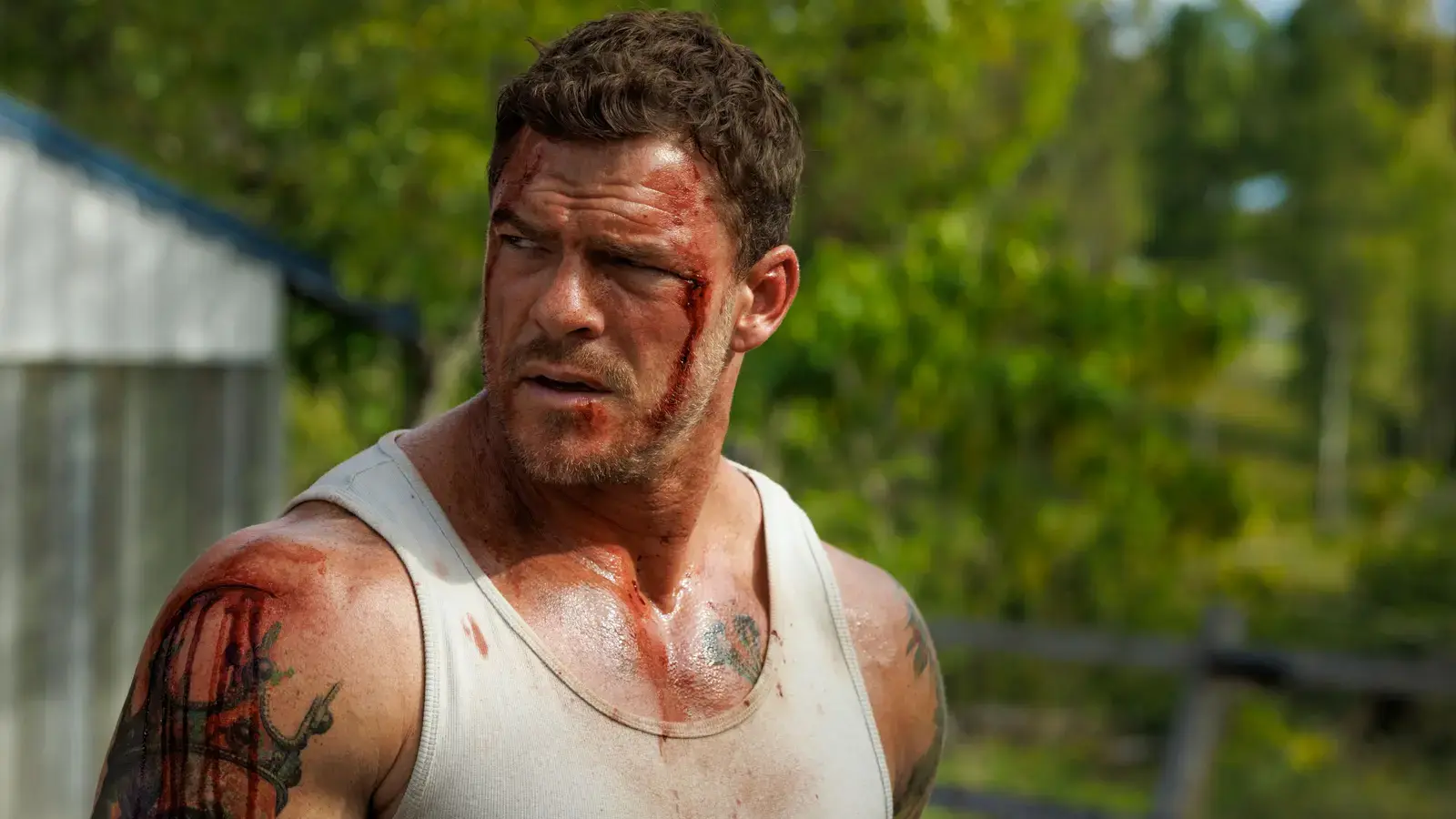 Runner Review: Alan Ritchson Action Thriller Is Surprisingly Unhinged and Unpredictable
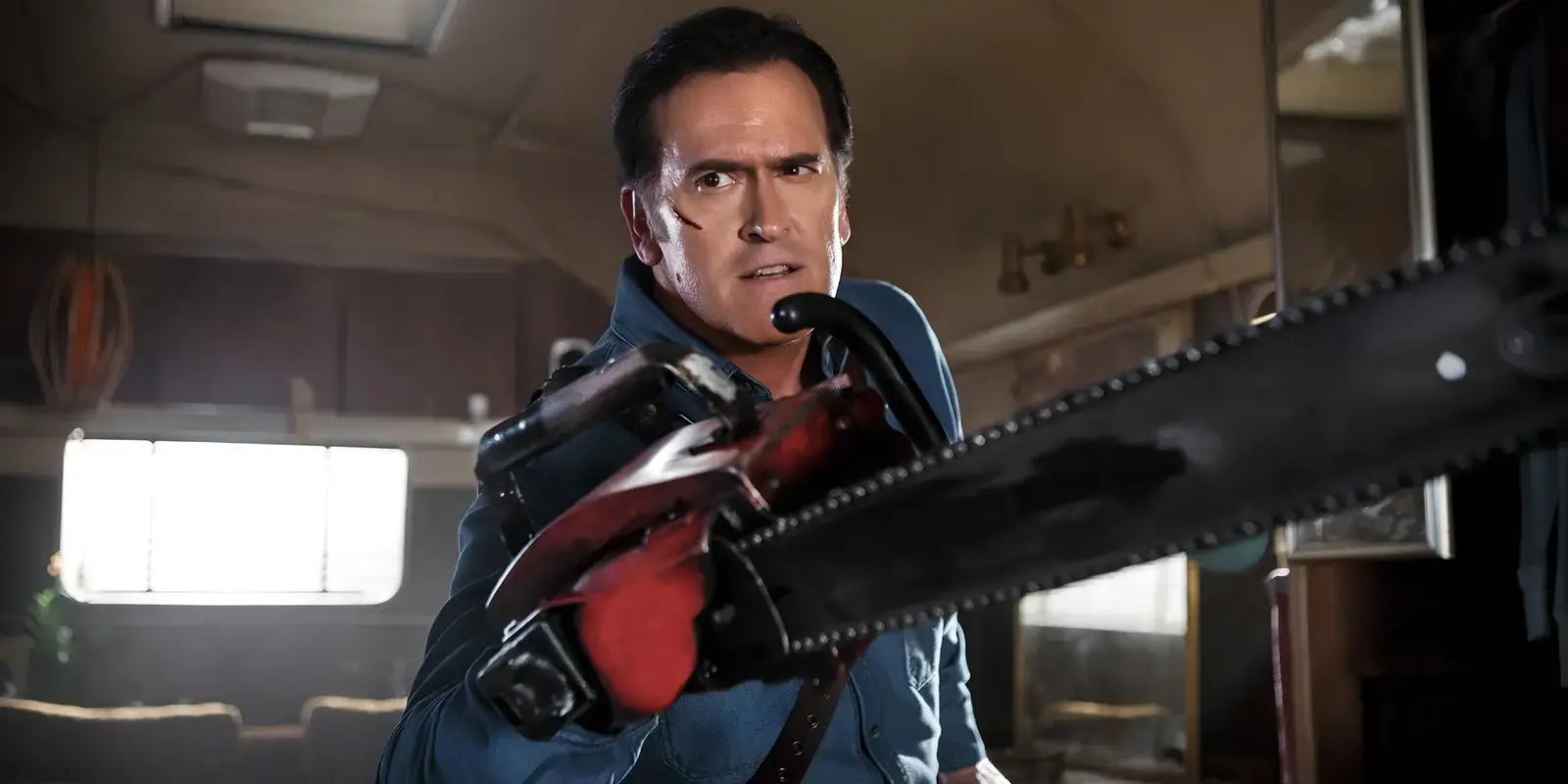 Bruce Campbell Says He’d Reprise Ash Williams in New Project
 The Forgotten Aquaman Movie That Never Existed
The festival leadership faced a distinct challenge in balancing artistic ambition with audience expectations. Documentaries often struggle to draw large crowds compared to high-profile fiction releases. However, Huntsinger believed the subject matter warranted the spotlight. The film in question is titled You Can See Everything . It explores the life and career of Elizabeth Holmes, the former CEO of Theranos. Her story has captivated public interest for years due to its dramatic rise and fall.
The atmosphere inside the Werner Herzog Theater was electric before the screening began. As Huntsinger prepared to announce the title, a voice from the crowd shouted „Digger!”The audience member likely hoped for the Tom Cruise action film. Instead, the reveal confirmed the documentary selection. This moment highlighted the tension between fan favorites and critical darlings. Programmers often weigh commercial viability against cultural significance. In this case, they prioritized the latter. The choice signaled a shift in how major festivals approach their opening nights. It suggests that powerful true stories can now compete with blockbuster fiction for prime slots.
Why Did Telluride Choose a Documentary?
The film offers an intimate look at the woman behind the Theranos scandal. It examines her vision, her flaws, and the impact of her legacy. Critics have noted that such documentaries can drive substantial box office revenue when the subject is well-known. The Telluride audience provided an early test of this theory. Their reaction will influence how other festivals program similar content in the future. The success of this screening could redefine the value of nonfiction cinema at top-tier events.
Festival organizers frequently seek films that generate buzz and critical acclaim. You Can See Everything fits this profile perfectly. It taps into a widely recognized narrative that resonates across demographics. The decision reflects a broader trend in the industry. Studios and distributors are increasingly investing in high-quality documentaries. These projects often serve as launchpads for wider releases. By placing the film at Telluride, the festival elevated its status. It moved beyond a niche genre into the realm of mainstream event cinema. This strategic move aims to attract both cinephiles and general audiences.
Frequently Asked Questions
The outcome of this screening will shape future programming decisions. If the film performs well, other festivals may follow suit. They might prioritize strong documentaries for key slots. This could lead to a new era where nonfiction holds equal weight with fiction. The industry is watching closely to see if this gamble pays off. The response from the Telluride crowd serves as a crucial data point. It indicates whether the public is ready to embrace documentary premieres as major events. The next few weeks will reveal the full impact of this bold choice.
Who directed the documentary about Elizabeth Holmes? The source text does not explicitly name the director. It focuses on the festival's decision to screen the film and the audience's reaction to the announcement.
Why was the film considered a risk? Documentaries typically lack the broad commercial appeal of fictional blockbusters. Programming one for a sneak premiere slot challenged traditional festival expectations regarding audience size and ticket sales.