How Did Larry Lamb Influence The Sun’s Early Direction?
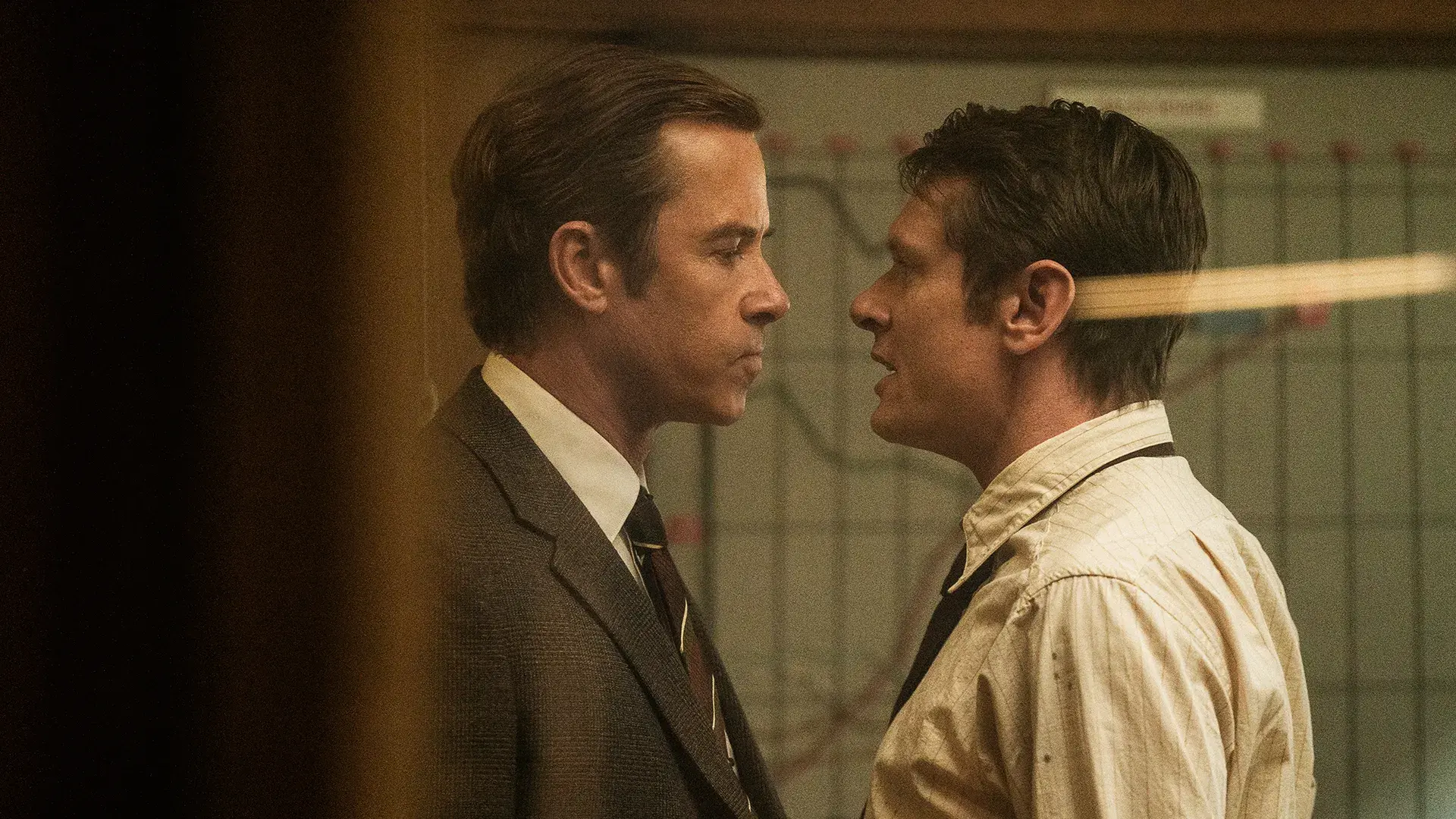
Danny Boyle’s new drama Ink premiered at the Venice Film Festival, telling the origin story of Rupert Murdoch’s British tabloid The Sun. Set in 1969, the film follows the media tycoon’s acquisition of the struggling newspaper and his partnership with editor Larry Lamb. Jack O’Connell stars as Lamb, with Guy Pearce portraying Murdoch and Claire Foy in a key supporting role. The screenplay is by James Graham, known for his work on politically charged stage and screen productions.
Culture picks
 The Vampire Diaries: Most Rewarding Character Journeys
 Netflix Officially Ends Shadow and Bone Franchise After Cancellation
 The Documentary About Elizabeth Holmes That Failed to Find Its Audience
 Nicolas Cage Returns as Spider-Noir in HBO Series
The film captures a pivotal moment in British media history when Murdoch transformed The Sun into a mass-market tabloid. Graham’s script delves into the editorial clashes and commercial strategies that reshaped the newspaper’s identity. Boyle, fresh from his Olympic opening ceremony success, brings his signature visual energy to the newsroom setting. The cast underwent extensive research into 1960s Fleet Street culture to authentically portray the era’s journalistic fervor and ethical ambiguities.
What Challenges Did Murdoch Face in 1969?
Larry Lamb, as depicted in the film, championed a populist approach that prioritized sensationalism and accessibility. His collaboration with Murdoch aimed to boost circulation through bold headlines and human-interest stories. O’Connell’s performance highlights Lamb’s charisma and relentless drive to connect with working-class readers. The film suggests this partnership laid the foundation for The Sun’s dominance in British popular press for decades to come.
Murdoch encountered resistance from traditional journalists wary of his American-style tabloid tactics. Financial pressures and union tensions also loomed large as he sought to modernize the newspaper’s operations. Pearce portrays Murdoch as both visionary and ruthless, navigating political and industrial obstacles. The film illustrates how these early struggles forged the aggressive corporate culture that would later define his global media empire.
Is Ink based on a true story? Yes, the film dramatizes real events surrounding Rupert Murdoch’s 1969 purchase of The Sun and the editorial changes led by Larry Lamb.
Frequently Asked Questions
Who directed Ink? Danny Boyle directed the film, marking his return to feature filmmaking after several television and stage projects.
When is Ink set? The narrative unfolds in 1969, focusing on the formative year when Murdoch took control of The Sun and began reshaping its editorial direction.