Balancing Faithfulness With Cinematic Necessity
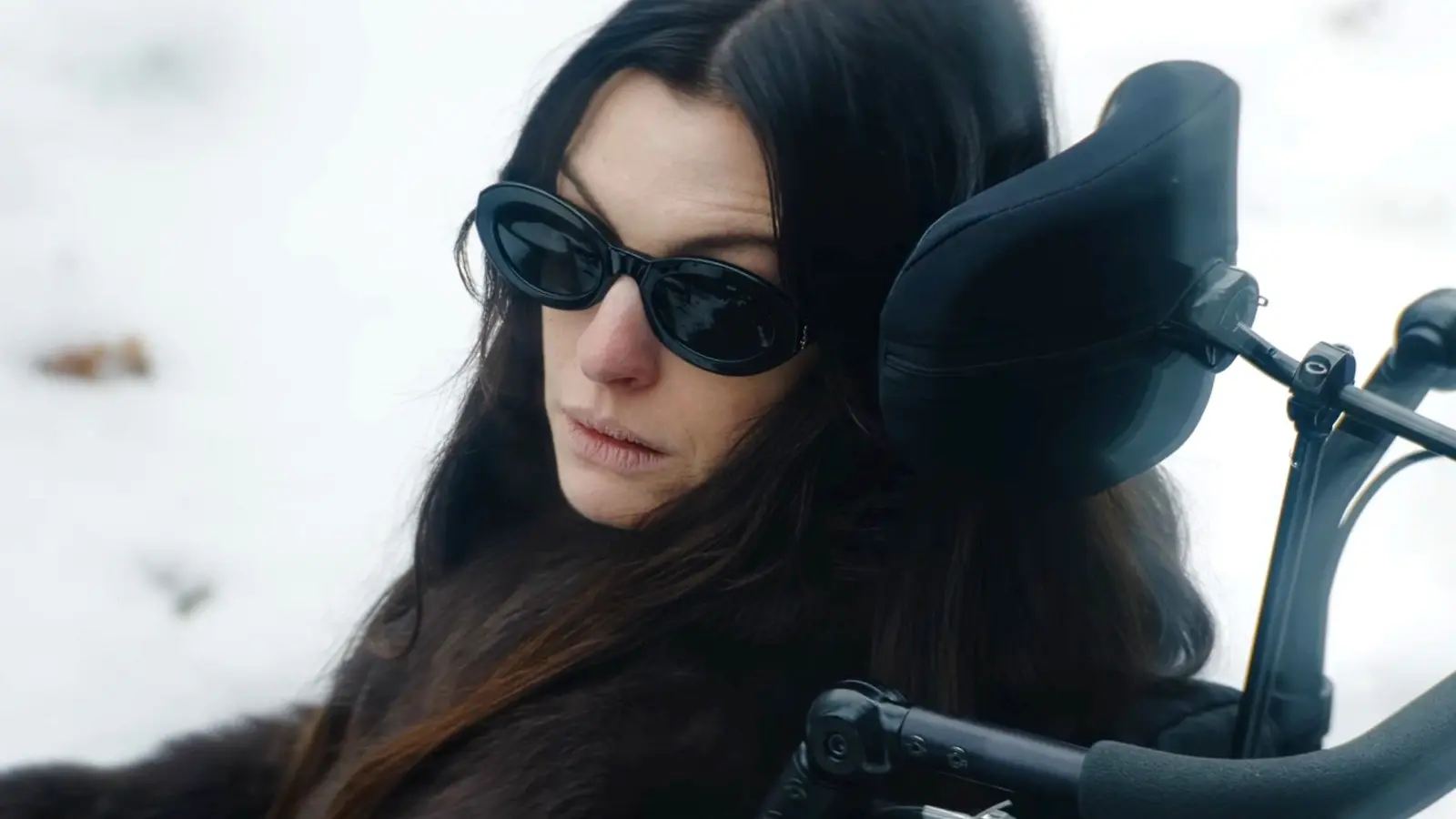
Colleen Hoover and director Michael Showalter have revealed the specific reasons behind significant narrative shifts in the movie version of their popular novel. The creative team discussed why they altered key scenes involving the character of Verity. These decisions were made to enhance the visual storytelling capabilities of the medium. The explanation was shared during a recent promotional interview for the upcoming release.
Culture picks
 The Hidden Cinematic Universe Linking Black Mirror to Eight Other Shows
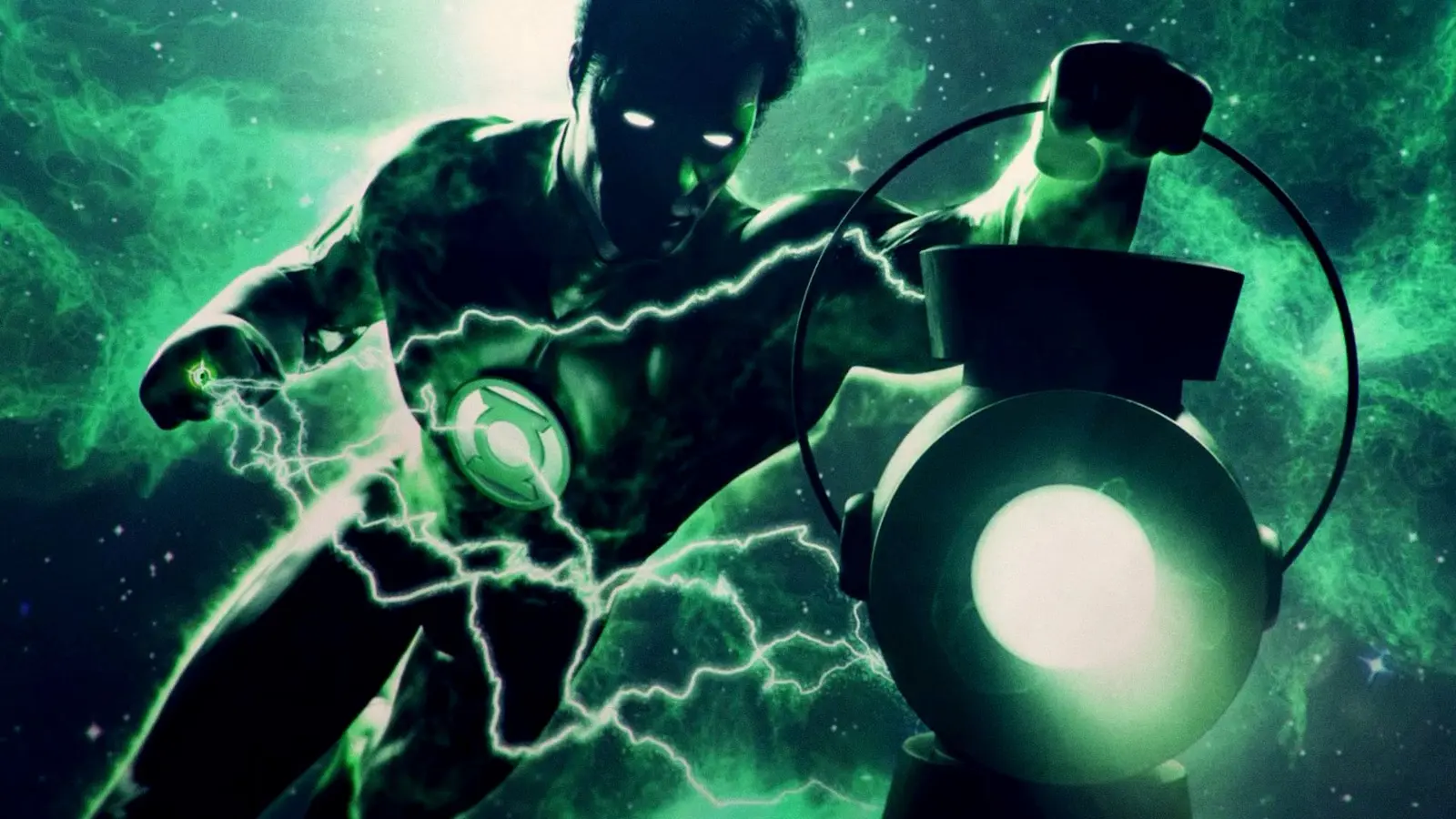 DC Universe Revives Hal Jordan’s Greatest Adversaries for New Series
 Pedro Pascal’s Latest Film Project Secures Near-Perfect Critical Reception
 Top Netflix Picks for Your Weekend Entertainment
The adaptation process required balancing faithfulness to the book with cinematic necessity. Showalter noted that certain internal monologues needed external expression. This approach allows audiences to experience the psychological horror elements more directly. The changes focus on how information is delivered to the viewer rather than altering core plot points.
Hoover emphasized that the heart of the story remains intact despite structural adjustments. The director explained that film operates on a different sensory level than text. Some descriptions in the novel are too abstract for immediate visual translation. Consequently, the team restructured sequences to maintain pacing. They ensured that the twist ending still lands with maximum impact. The goal was to preserve the emotional weight without relying on page-turning mechanics.
Why Specific Scenes Were Altered For The Screen
Showalter highlighted the importance of performance in conveying the subtle shifts in tone. The cast was briefed on these changes early in production. This allowed actors to embody the revised character arcs naturally. The decision to modify specific dialogue stems from the need for clarity on screen. Ambiguity in text can sometimes confuse visual audiences if not handled carefully. The filmmakers aimed to streamline the mystery elements for broader appeal.
One major change involves the timing of key revelations. In the book, clues are scattered across chapters. The film condenses these hints into focused moments. This technique builds tension more rapidly for viewers. The director argued that patience levels differ between reading and watching. A slower reveal might lose momentum in a theatrical setting. Therefore, the pacing was tightened significantly.
Frequently Asked Questions
Hoover supported this choice, noting that she trusts the audience to follow the new structure. She wanted the film to stand on its own merits. The collaboration between author and director ensured that no essential lore was lost. The final cut respects the original intent while embracing the strengths of cinema. This partnership model is becoming increasingly common in literary adaptations.
Did the author approve all the changes? Yes, Colleen Hoover worked closely with the director throughout development. She reviewed scripts to ensure her vision was respected. Her approval confirms the changes align with the story's core themes.
Are the character endings different? The primary character arcs remain consistent with the novel. However, the method of delivery has shifted to suit visual media. The emotional resolution is identical, but the path taken differs slightly.