How AI Shaped the Visual Language of „Ink”
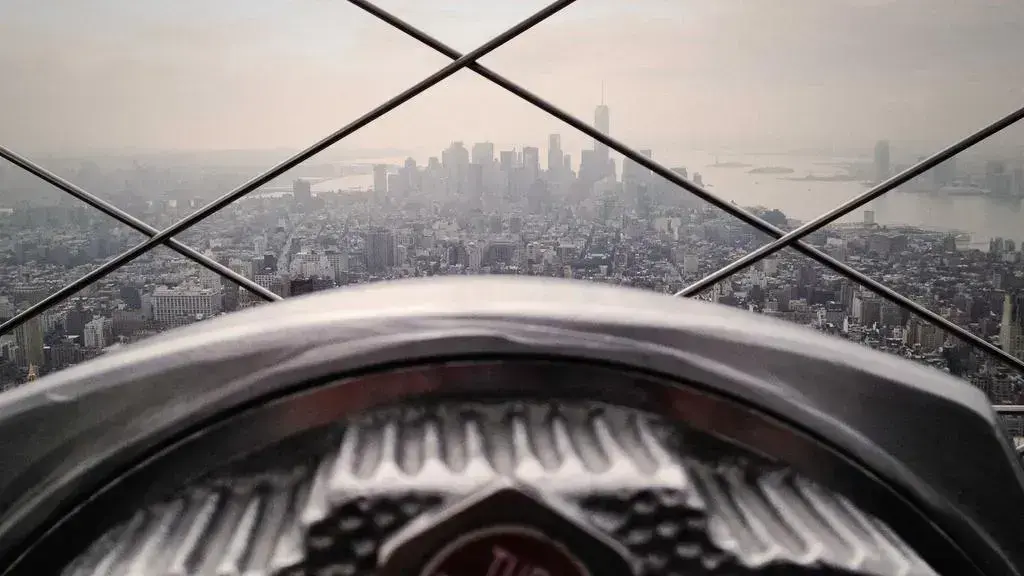
Oscar‑winning director Danny Boyle will headline this year’s Telluride Film Festival, unveiling his latest project, „Ink.” The British filmmaker, famed for „Slumdog Millionaire” and „127 Hours,” chose the remote Colorado venue to premiere the sci‑fi drama, where he also addressed criticism over his brief, 30‑second AI demonstration in the trailer. Boyle explained that the artificial‑intelligence tools were employed to streamline visual effects and enhance storytelling, not to replace human creativity.
Culture picks
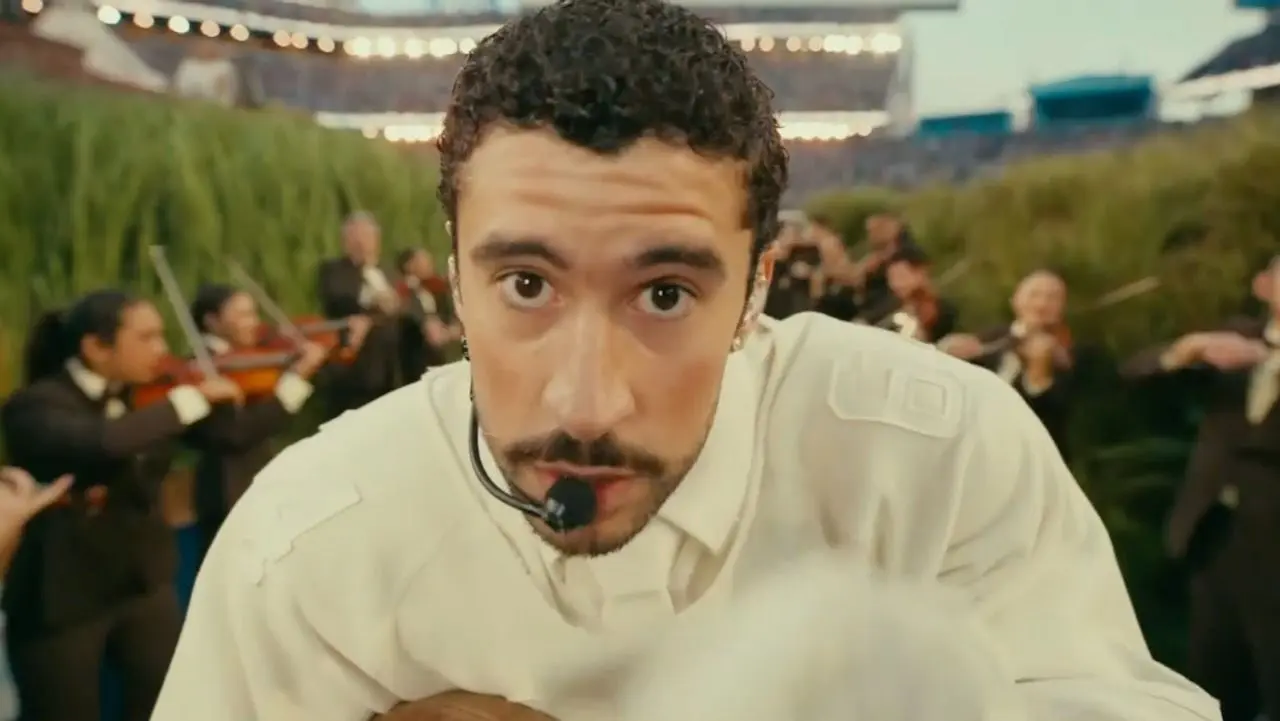 Bad Bunny Secures First Emmy Award for Mid‑Game Performance
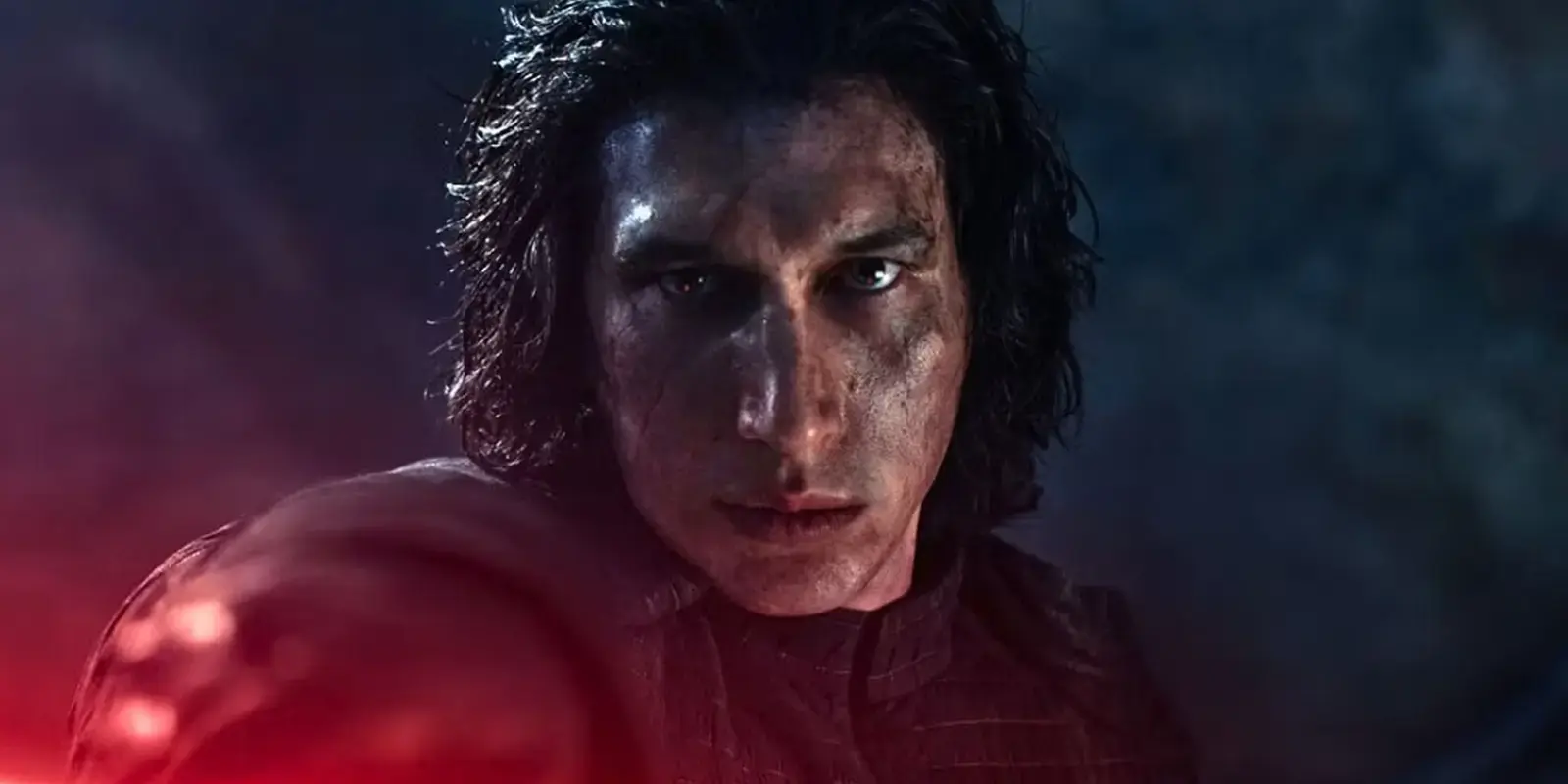 The Lost Legends of the Star Wars Galaxy
 Jason Statham’s 2024 action thriller The Beekeeper now streams on Peacock
 Joel Kinnaman's New Action Film Takes Global Audiences by Storm
Boyle’s decision to showcase „Ink” at Telluride reflects his long‑standing affinity for the festival’s intimate atmosphere and its reputation for rewarding daring cinema. The film, a dystopian thriller set in a world where memories are commodified, blends practical sets with AI‑generated imagery to create a hyper‑realistic urban landscape. In a press conference, Boyle emphasized that the AI segment was limited to background augmentation, allowing his team to focus on character‑driven moments. He argued that the technology offers „a new brushstroke for directors,” expanding the palette without diluting the human element.
The production team integrated AI algorithms during post‑production to generate complex cityscapes that would have been prohibitively expensive using traditional methods. Boyle noted that a single 10‑second sequence of neon‑lit streets, rendered in under an hour, saved the budget millions. He also highlighted the collaborative workflow: visual effects artists supervised the AI output, correcting anomalies and ensuring continuity with practical footage. „The AI is a tool, not a director,” Boyle said, adding that the final edit still required his hands‑on supervision.
Will Audiences Embrace AI‑Enhanced Storytelling?
Critics have raised concerns that reliance on AI could erode craftsmanship. In response, Boyle cited a study from the Visual Effects Society showing that AI‑assisted pipelines reduced turnaround times by 30 % while preserving artistic intent. He pointed to „Ink” as a case study where the technology amplified, rather than supplanted, the creative vision. The director also mentioned that the AI was trained on a curated dataset of classic noir and cyberpunk imagery, ensuring the aesthetic remained true to his intended homage.
The question looms large as „Ink” prepares for its theatrical rollout. Early screenings at Telluride have drawn enthusiastic reactions, with audiences praising the film’s immersive world‑building and emotional core. However, some viewers expressed unease about the visible „synthetic” sheen in certain scenes. Boyle addressed these reactions by promising a „director’s cut” that will fine‑tune the AI elements based on feedback.
Industry analysts predict that „Ink” could set a precedent for future blockbusters, encouraging studios to adopt hybrid pipelines that balance human artistry with machine efficiency. If the film succeeds commercially, it may accelerate the integration of AI across genres, prompting unions and guilds to negotiate new standards for credit and compensation. For now, the buzz around „Ink” suggests a cautious optimism: filmmakers are eager to explore the technology, but audiences will decide whether the results feel authentic.
Frequently Asked Questions
What is the central plot of „Ink”? „Ink” follows a former memory‑hacker who must retrieve a stolen fragment of his own past before a corporate regime can erase it forever, exploring themes of identity and control.
How much of the film’s visual effects were generated by AI? Approximately 25 % of the background environments and atmospheric effects were created with AI, while all character performances and key set pieces were captured traditionally.
Will Danny Boyle use AI in his next projects? Boyle indicated that „Ink” is a test case; he plans to refine the workflow and may incorporate AI selectively in future films, depending on the story’s demands.