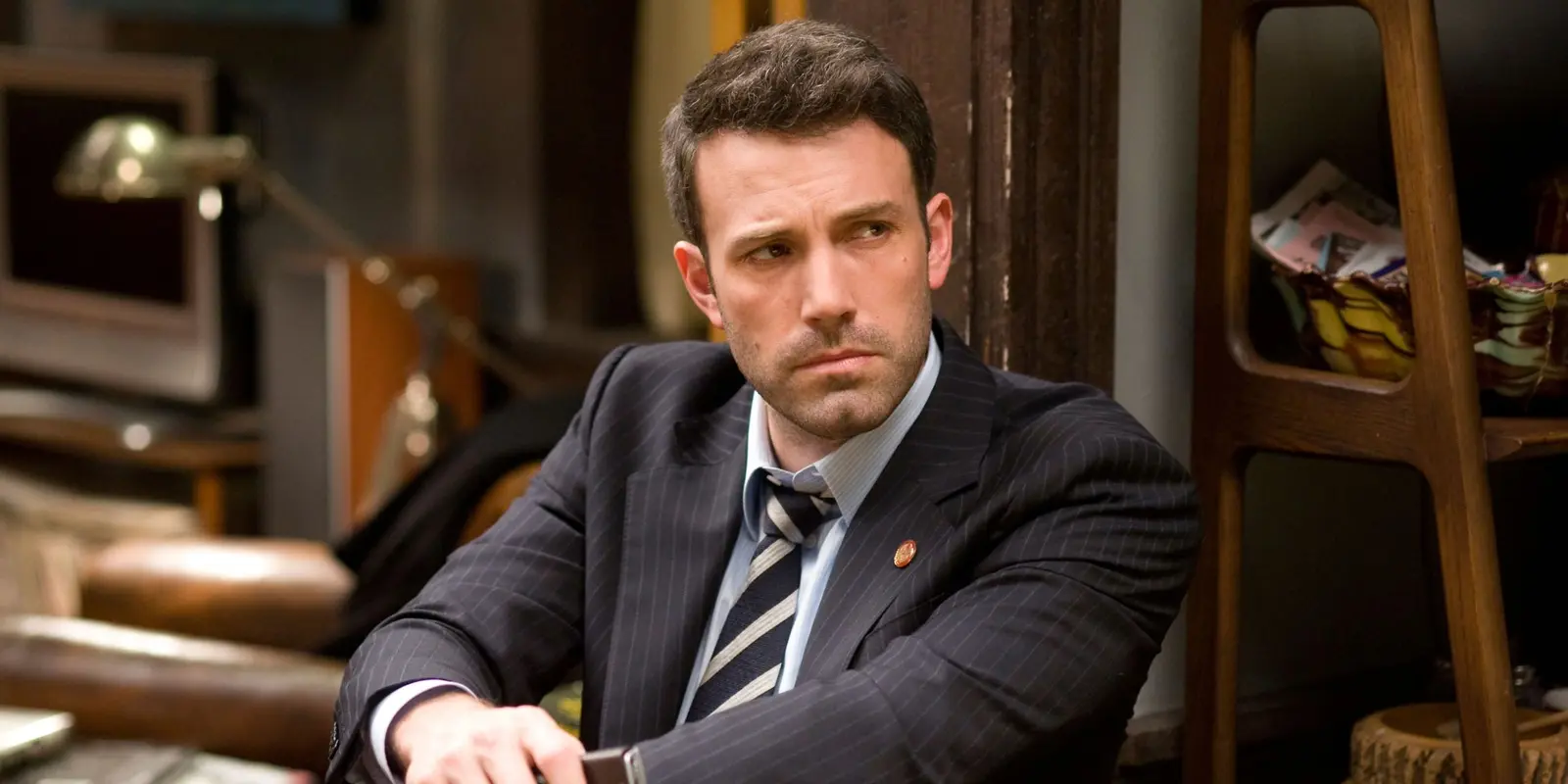
Push, Nevada: A Surreal Mystery Series
Before his streaming success, Affleck tried something very different. In 2002, he co-created Push, Nevada with Sean Bailey. It was a surreal mystery set in a corrupt desert town. A gentle tax agent became entangled in the bizarre setting. It felt like a mix of Twin Peaks and The X-Files . ABC added a wild twist: viewers could win a million dollars by solving the mystery. This ambitious show lasted only seven episodes.
Culture picks
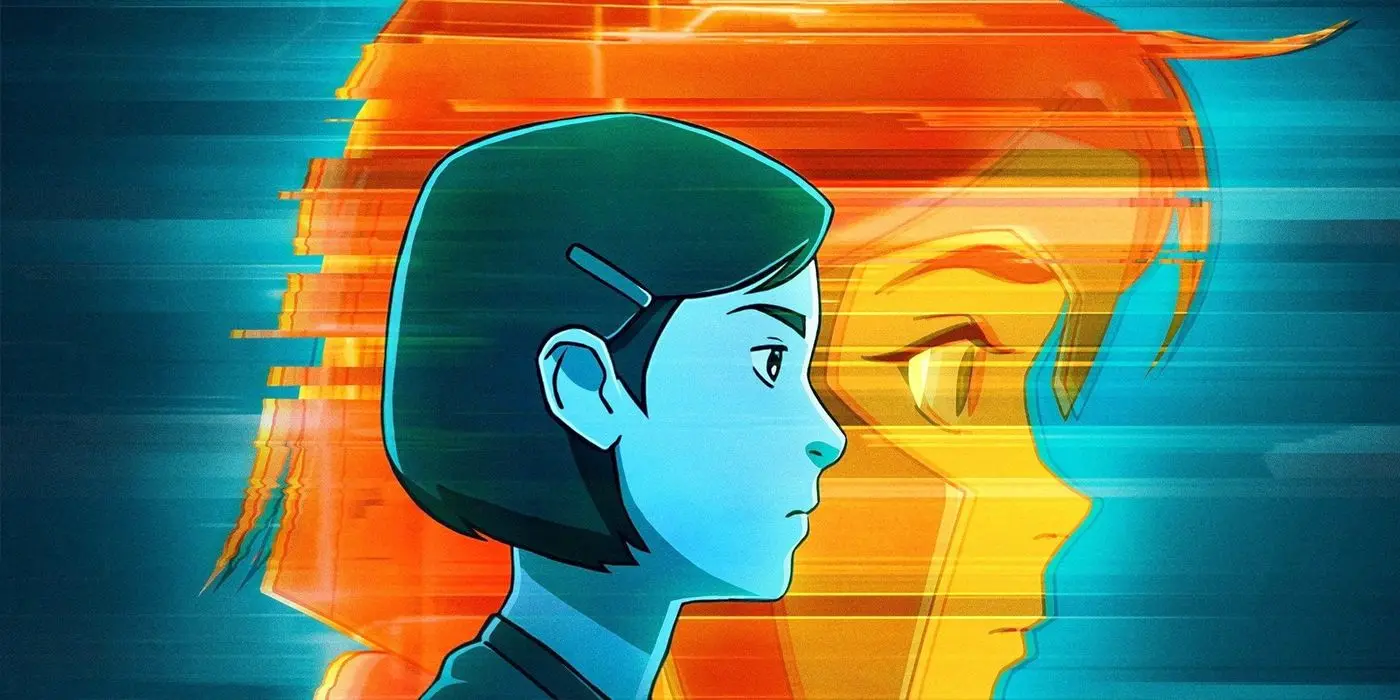 Prime Video's Pantheon: A Quiet Cyberpunk Classic Ahead of Blade Runner 2099
 Michael Connelly's 68-episode „Detective Show” is perfecting the art of adapting books for television
 Adam Driver Declines Girls Reboot After Lena Dunham's Set Experience Claims
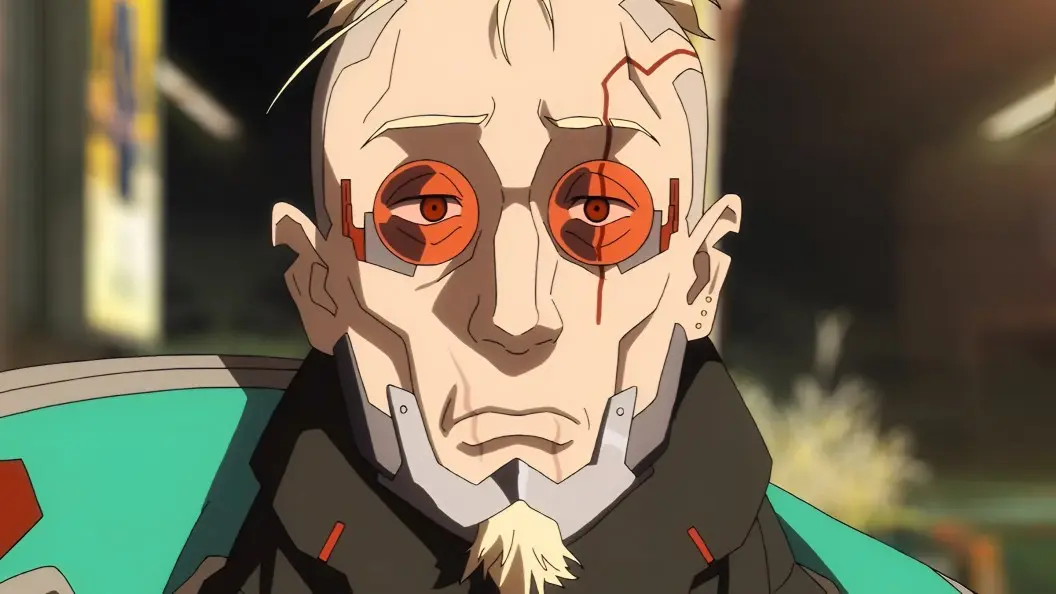 Cyberpunk: Edgerunners 2 Becomes One of 2024’s Biggest Anime Hits
The series followed Jim Prufrock, played by Derek Cecil. He received a mysterious fax about a deficit at the Versailles Casino. Prufrock traveled to Push, a neon-drenched town of paranoia. He discovered residents hadn't filed 1985 tax returns. A shadowy company, Watermark LLC, seemed to control everything. Odd characters populated the noir-ish mystery. Scarlett Chorvat's Mary warned Prufrock. Corrupt casino head Jon Polito was also present. Armand Assante played the subtle criminal Mr. Părea. Jim Denault's cinematography used red, gold, and shadows. Critics linked its tone directly to David Lynch's Twin Peaks .
Surreal Mystery Series Push, Nevada
Lynch's surrealism invited obsession. Push, Nevada demanded something stranger: participation. Each episode held hidden clues. These included web addresses, code words, and on-screen numbers. Viewers chased a real prize of $1,045,000. Fans followed the story via fake websites and emails. Producers called this the three-ball engagement theory. Viewers could engage, swim, or dive deep. This made Push, Nevada an early network transmedia story. However, its density made it invisible to casual viewers. The mystery was thick, and the tone serious. Competition from CSI and Will & Grace ended the run after seven episodes. Mark Nakamoto, from New Jersey, won the final puzzle and the million dollars. The show faded into TV cult history. Today, it feels like a strange early 2000s artifact. It predicted the audience's desire for deeper, interactive stories across shows and games.