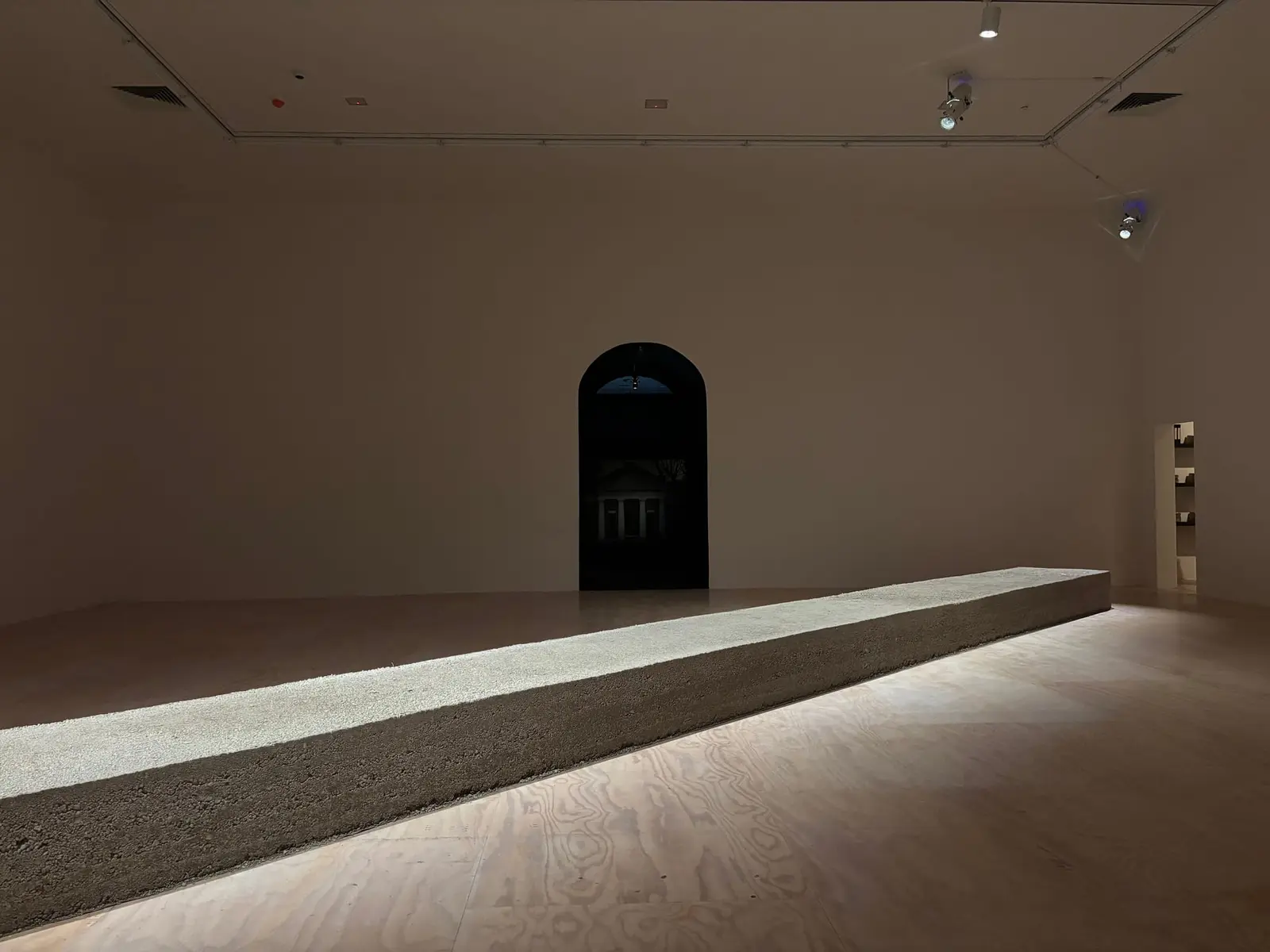
Distilling Essence Through Visual Simplicity
Teresa Margolles has opened a new exhibition at MoMA PS1 in New York City. The show runs from late September 2026. It challenges viewers to confront daily violence. The artist uses minimal forms to express heavy themes. This approach questions the role of restraint in modern art. The gallery space becomes a site of intense reflection. Visitors encounter works that blend simplicity with brutality. The timing of the show is significant. It arrives during a period of heightened social tension. The exhibition invites a deep look at current realities.
Culture picks
 Sylvester Stallone Returns as Dwight Manfredi in Tulsa King Season 4 Trailer
 Deborah Ann Woll Faces Supernatural Entities in The Cycle Horror
 Will Ferrell and David Bowie's Zoolander Marks 25 Years Since Release
 VMA‑2026 Draws 8.4 Million Viewers, Highest Audience Since 2015
The core of Margolles' practice relies on minimalism. This style compresses complex ideas into simple gestures. The goal is to distill the essence of an experience. In an era defined by violent excess, this method stands out. It forces the viewer to focus on the core message. The lack of visual clutter amplifies the emotional weight. Each element in the installation serves a specific purpose. There is no room for distraction or ambiguity. The artist strips away the unnecessary to reveal the truth. This technique makes the invisible visible. It transforms abstract suffering into tangible form. The viewer is left alone with the raw impact.
The exhibition raises a critical question about formal restraint. What exactly does such limitation accomplish today? In a world saturated with graphic imagery, silence speaks louder. Margolles uses this silence as a powerful tool. It creates a space for contemplation rather than shock. The work demands active engagement from the audience. Viewers must process the meaning behind the simple forms. This interactive element is central to the display. The gallery becomes a mirror for societal issues. It reflects the violence we breathe daily. The art does not just show pain; it embodies it.
The Weight of Everyday Brutality
Margolles' work addresses the pervasive nature of violence. It is not limited to isolated incidents. Instead, it highlights the systemic and ongoing nature of harm. The exhibition connects personal trauma to broader social structures. Viewers are encouraged to see their own role in this cycle. The art acts as a catalyst for dialogue. It challenges comfortable assumptions about safety and normalcy. The physical presence of the work in New York adds context. It brings the issue to a global stage. The contrast between the setting and the subject is stark. This juxtaposition enhances the emotional resonance of the pieces.
The artist’s background informs this perspective. Her work often deals with the aftermath of conflict. She uses materials and methods that evoke memory. The exhibition continues this tradition of deep inquiry. It asks the public to consider the cost of ignoring violence. The minimal aesthetic serves as a container for these heavy themes. It prevents the work from becoming exploitative. Instead, it fosters a respectful and serious engagement. The viewer is guided through a journey of realization. Each step reveals a new layer of meaning. The experience is cumulative and profound.
The future of such exhibitions remains uncertain. However, the need for this dialogue is clear. As societal tensions rise, art plays a vital role. It provides a space for processing collective trauma. Margolles' show at MoMA PS1 is a testament to this power. It demonstrates that simplicity can be more impactful than complexity. The exhibition will likely spark ongoing conversations. Critics and audiences alike will debate its effectiveness. Yet, the core message remains unambiguous. We must confront the violence around us. Art offers a unique pathway to understanding. It bridges the gap between individual and collective experience.
Frequently Asked Questions
What is the main theme of the exhibition? The exhibition focuses on the relationship between minimalism and violence. It explores how simple forms can express complex social issues. The artist aims to make invisible suffering visible.
Why is formal restraint important in this context? Restraint allows the viewer to focus on the core emotional impact. It prevents the work from becoming sensationalist. This approach encourages deeper reflection and dialogue.
Where is the exhibition currently being held? The show is taking place at MoMA PS1 in New York City. It opened in late September 2026. The location adds a significant urban context to the themes presented.