
Record‑Breaking Numbers
The 48th MTV Video Music Awards aired on CBS and MTV on September 28, 2026. The star‑filled ceremony returned to Los Angeles and attracted 8.4 million viewers, the biggest audience for the event since 2015. Ratings rose 51 percent from the previous year, when the show aired in a different city.
Culture picks
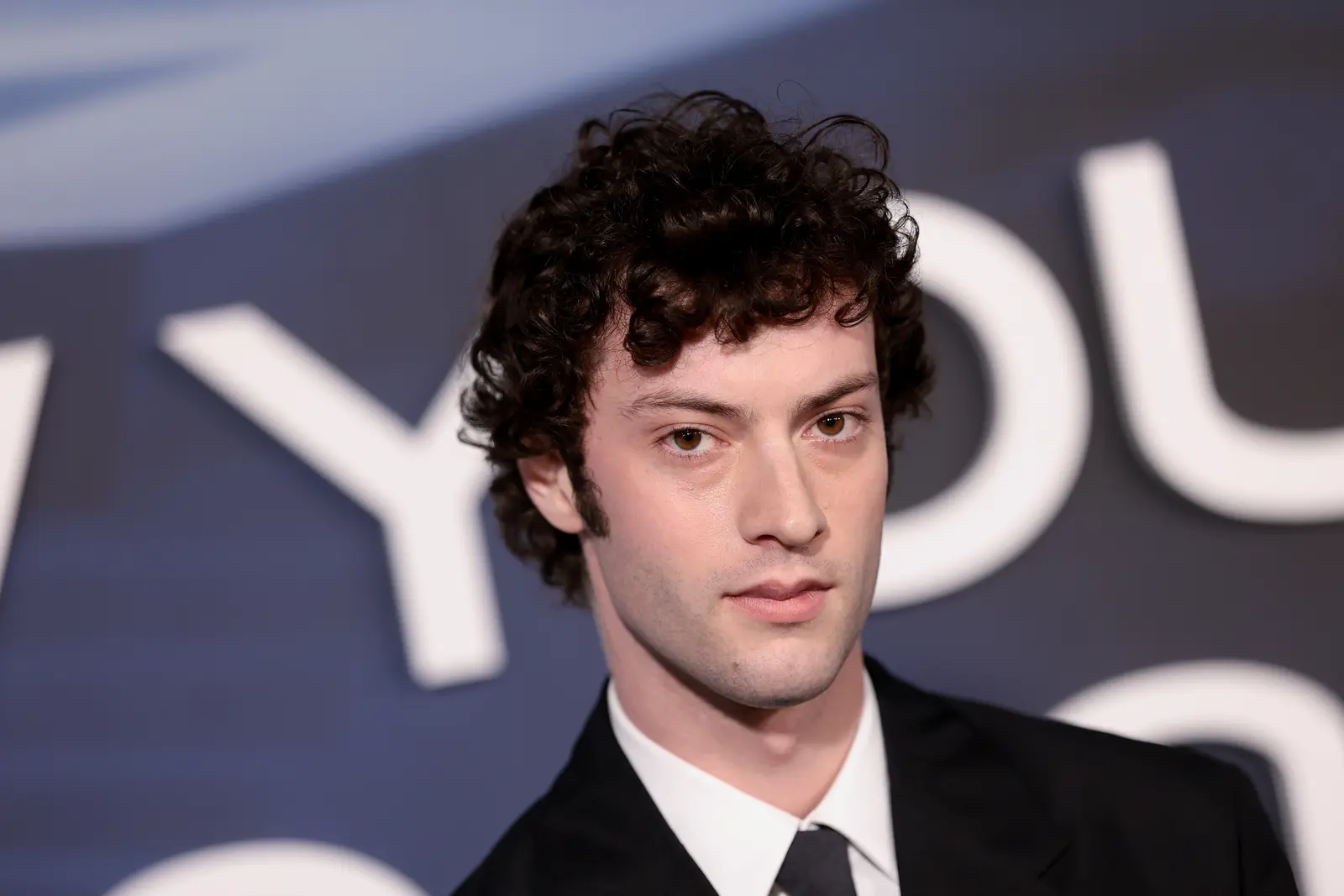 Dominic Sessa Leads New Crime Thriller Shades of Paradise
 Tokyo International Film Festival Honors Mohammad Rasoulof and Mipo
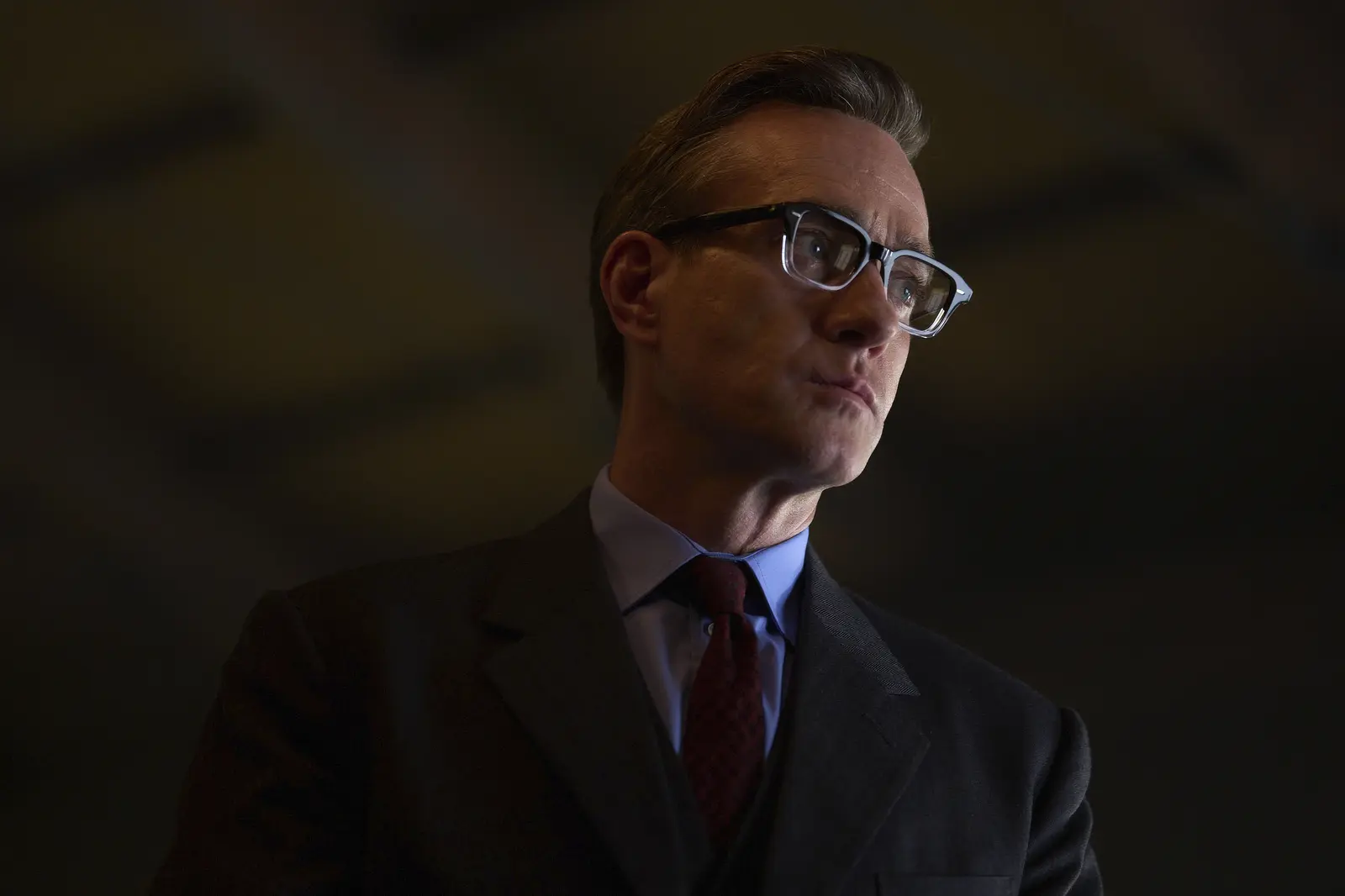 Matthew Macfadyen Transforms Into Legendary Spymaster George Smiley
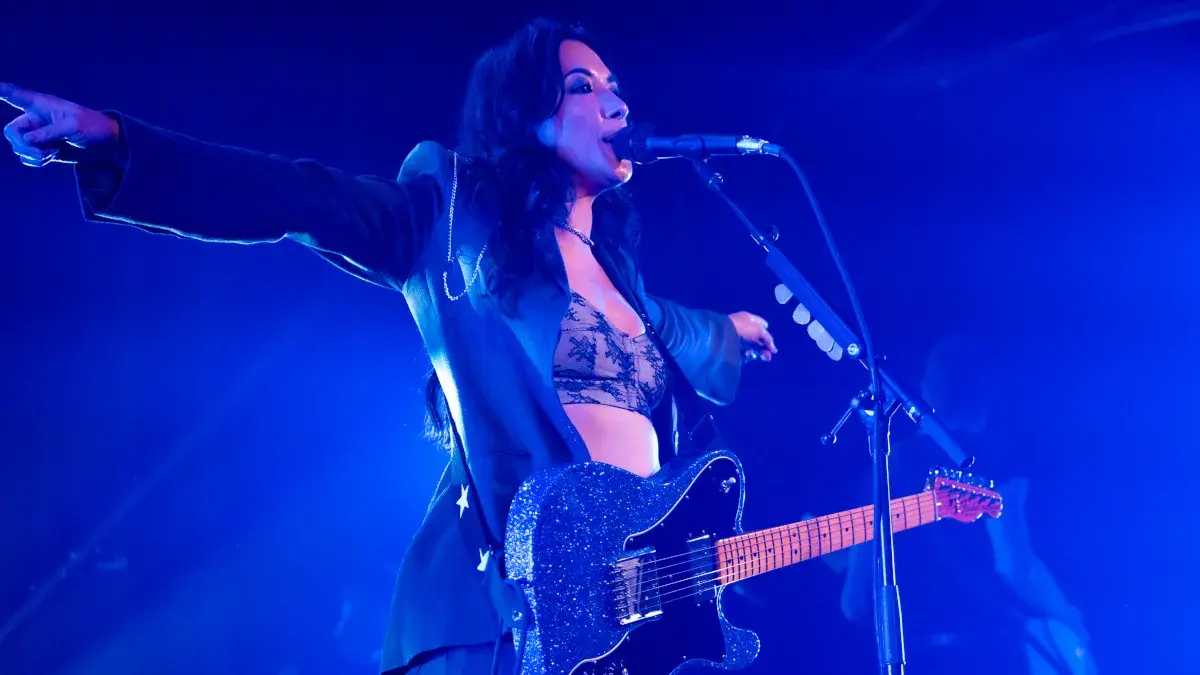 Michelle Branch Launches Anniversary Tour with Career-Spanning Seattle Performance
The surge comes as the VMAs embrace a mix of nostalgic performances, new music releases, and high‑profile collaborations. Networks added special pre‑show content and extended live coverage, while social media platforms amplified clips in real time. The decision to host the ceremony in Los Angeles was partly driven by the city's vibrant music scene and its proximity to many of the performers’ fan bases.
The 8.4 million viewers represent a 51 percent jump over the 2025 broadcast. This level of engagement is the highest since the 2015 awards, when audiences peaked at a similar figure. Nielsen data shows that the majority of viewers tuned in during the live broadcast, with a significant portion of the audience coming from streaming services. The numbers also reflect a broader trend of audiences returning to live televised music events after a period of pandemic‑induced streaming dominance.
What Drives the Surge?
The increased viewership was aided by the presence of iconic artists such as Beyoncé, Taylor Swift, and Kendrick Lamar, who performed in front of a live audience. In addition, the ceremony featured surprise collaborations that were heavily promoted on social media. The combination of high‑profile acts and real‑time digital engagement created a sense of urgency, encouraging fans to watch the show live.
The return to Los Angeles played a key role. The city’s infrastructure supports large‑scale live events, and its cultural relevance to the music industry attracts top talent. Moreover, the organizers introduced interactive segments that allowed viewers to vote for certain performances via a dedicated app. This interactivity fostered a sense of participation and kept audiences glued to the screen.
Frequently Asked Questions
Another factor is the strategic partnership between CBS and MTV. By sharing the broadcast across both networks, the VMAs reached a wider demographic, including older viewers who prefer traditional television and younger audiences who consume content on streaming platforms. The dual‑network approach maximized reach and helped achieve record viewership.
The 2026 VMAs also benefited from a broader media strategy that included cross‑promotions with streaming services and social media influencers. These collaborations generated buzz before the event, ensuring that fans were aware of the show's schedule and could plan to watch it live.
The high viewership signals a positive trend for televised music awards. Networks are likely to continue investing in live broadcasts and interactive features to capture audiences. For artists, the VMAs remain a valuable platform to showcase new work and connect with fans in real time.