The Aesthetic of Controlled Disorder
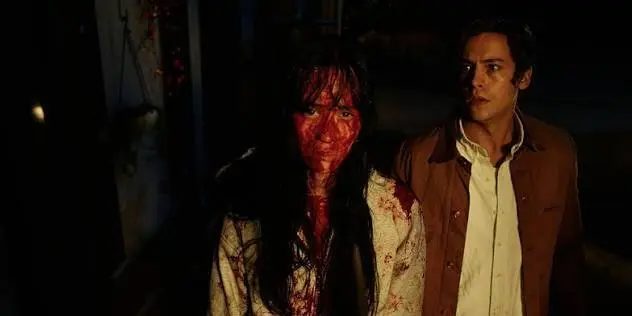
Eugene Kotlyarenko’s latest feature, Vintage Violence, premiered at the Toronto International Film Festival, offering a frenetic take on the crime comedy genre. The film utilizes manic camerawork and high-stakes bloodshed to depict a world spiraling out of control, placing viewers directly into the center of an overstimulating, gonzo-style caper.
Culture picks
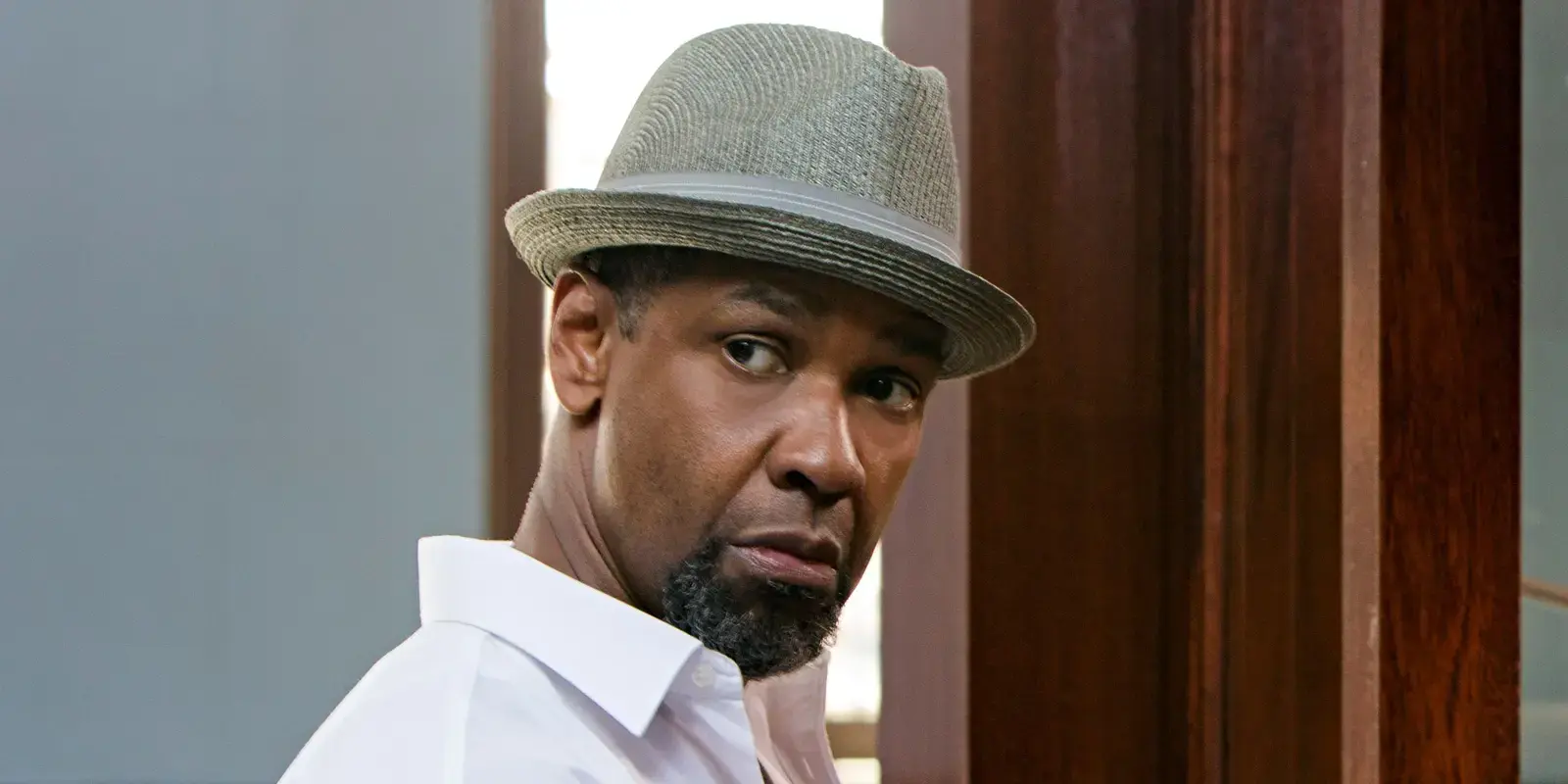 Denzel Washington's 2 Guns Set to Exit Netflix Streaming Library
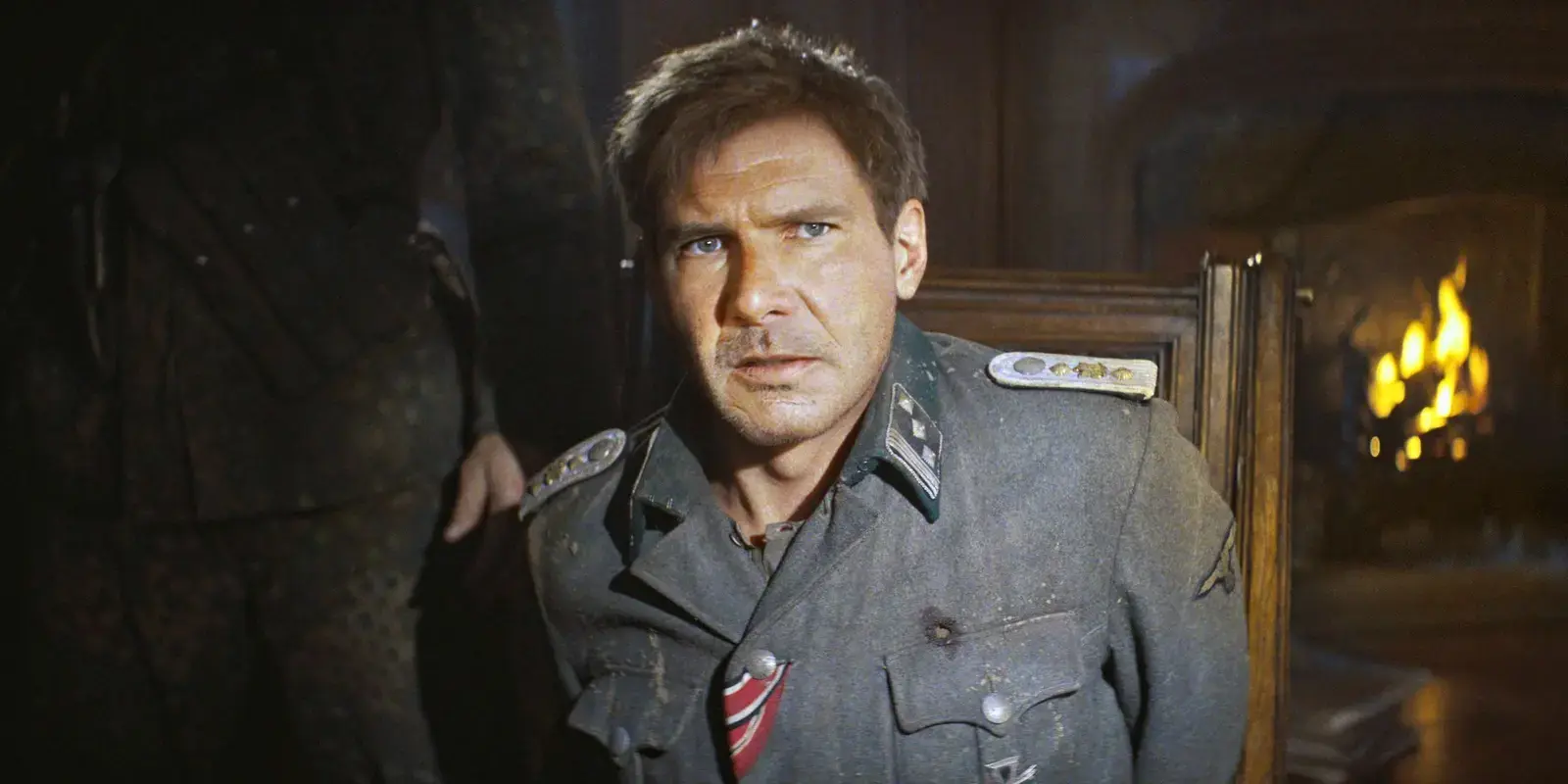 A Cinematic Treasure Hunt Lands on Free Streaming Platforms
 Shaun the Sheep: The Beast of Mossy Bottom Is Officially an Instant Halloween Classic
 5 Beloved Books That Still Deserve a Faithful Adaptation
The narrative thrives on a sense of relentless momentum, pushing boundaries through its aggressive visual language. Kotlyarenko crafts a story where restraint is intentionally abandoned, favoring a chaotic aesthetic that mirrors the unpredictable nature of his criminal protagonists. Every scene is designed to overwhelm the senses, ensuring that the audience remains on edge throughout the duration of the film.
The director employs a distinct visual style characterized by rapid cuts and shaky, handheld cinematography. This approach creates an immersive experience that feels both raw and intentionally disorienting. By prioritizing kinetic energy over traditional storytelling beats, the film challenges conventional expectations of what a crime comedy should look like.
Can Excess Become a Narrative Strength?
The performances are equally intense, matching the frantic pace set by the camera. Characters are caught in a web of escalating violence that feels both absurd and disturbingly plausible within the film’s heightened reality. Each sequence builds upon the last, creating a cumulative effect of sensory overload that defines the project’s unique identity.
While the film leans heavily into its own chaotic nature, it raises questions about the limits of stylistic indulgence. By choosing to prioritize volume and speed, Kotlyarenko forces viewers to engage with the material on a purely visceral level. The result is a polarizing experience that demands total attention, leaving little room for passive observation.
Frequently Asked Questions
Ultimately, Vintage Violence stands as a bold experiment in cinematic intensity. It serves as a testament to the director's commitment to pushing the envelope, regardless of traditional structural norms. Whether this approach resonates with a broader audience remains to be seen, but it certainly leaves a lasting impression.
What is the primary visual style of the film? The film relies on manic, handheld camerawork and rapid editing to create a sense of constant, disorienting motion. This aesthetic is intended to mirror the chaotic lives of the criminal characters.
Does the film follow a traditional crime comedy structure? No, the film intentionally avoids standard narrative beats in favor of an overstimulating, gonzo-inspired approach. It prioritizes sensory intensity and kinetic energy over a conventional plot progression.