A Quiet Hero Reimagined
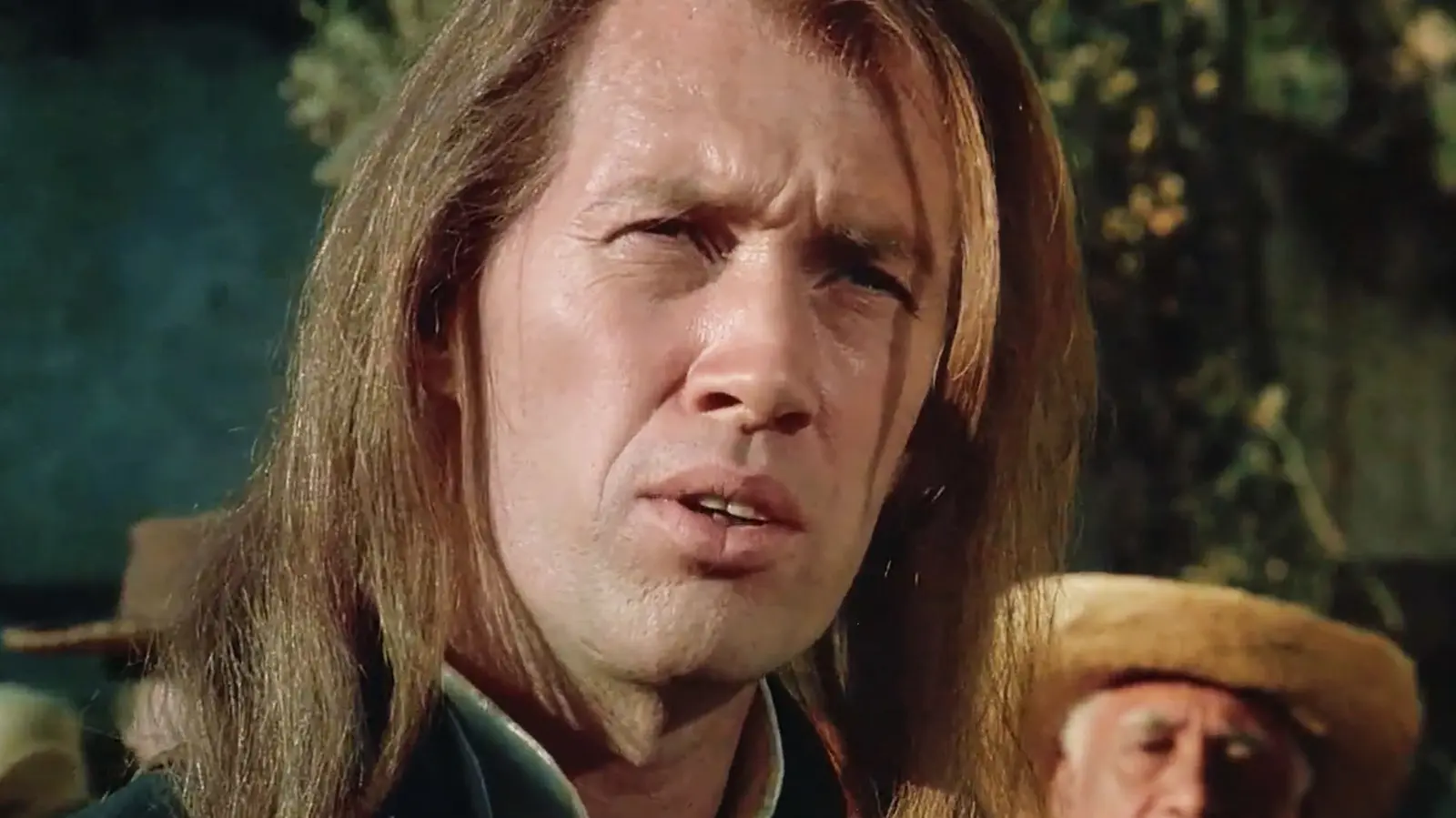
In 1966, David Carradine headlined a television adaptation of the iconic Western „Shane.” The show retold the tale of a lone gunslinger who protects a homesteading family, echoing the beloved 1953 film that had already cemented the story in American cinema. Though the series lasted only a single season, its blend of mythic storytelling and Carradine’s brooding performance has sparked renewed interest among retro‑TV enthusiasts and scholars of the genre.
Culture picks
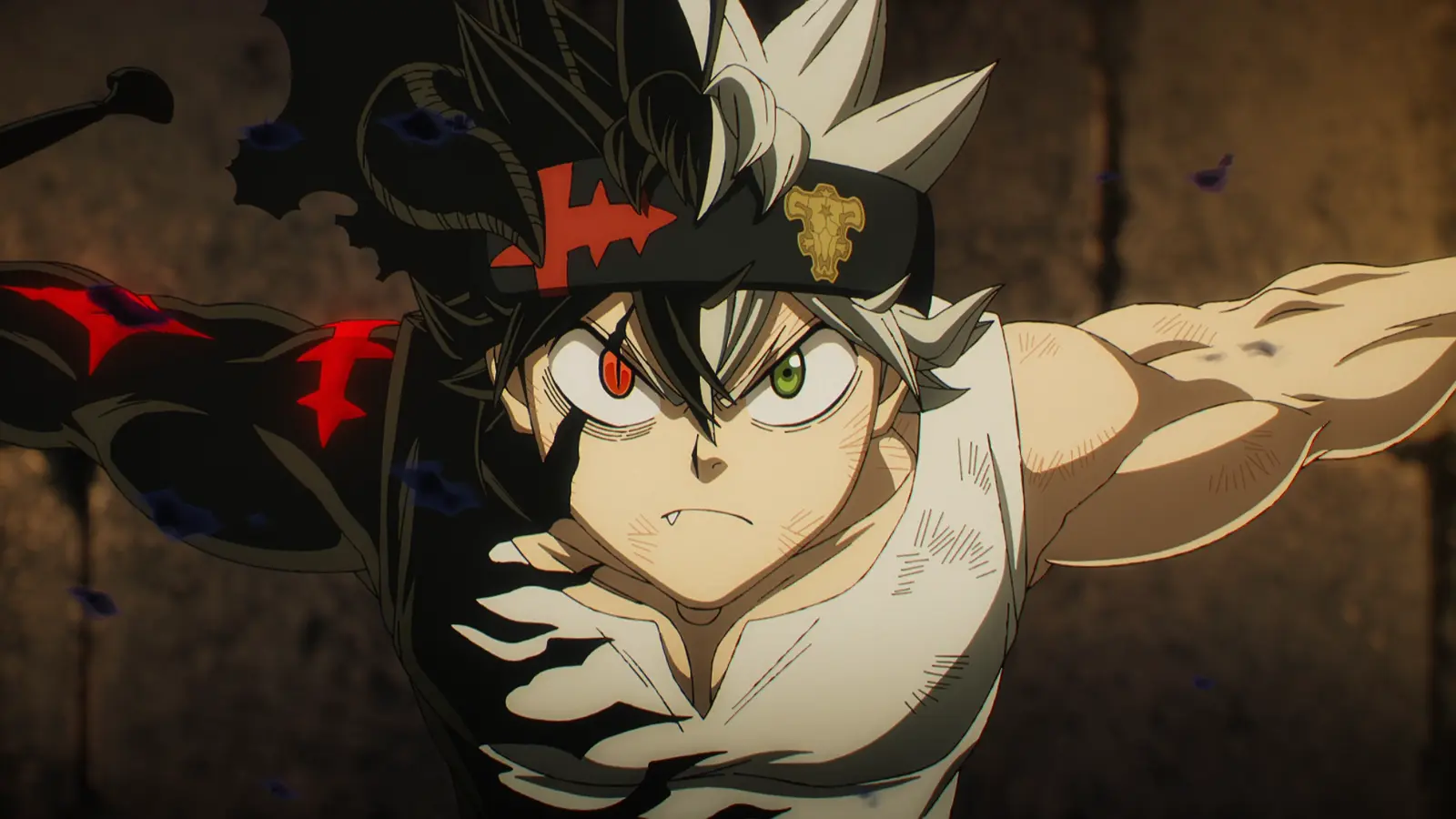 Black Clover Returns With Strong Start to Season 2
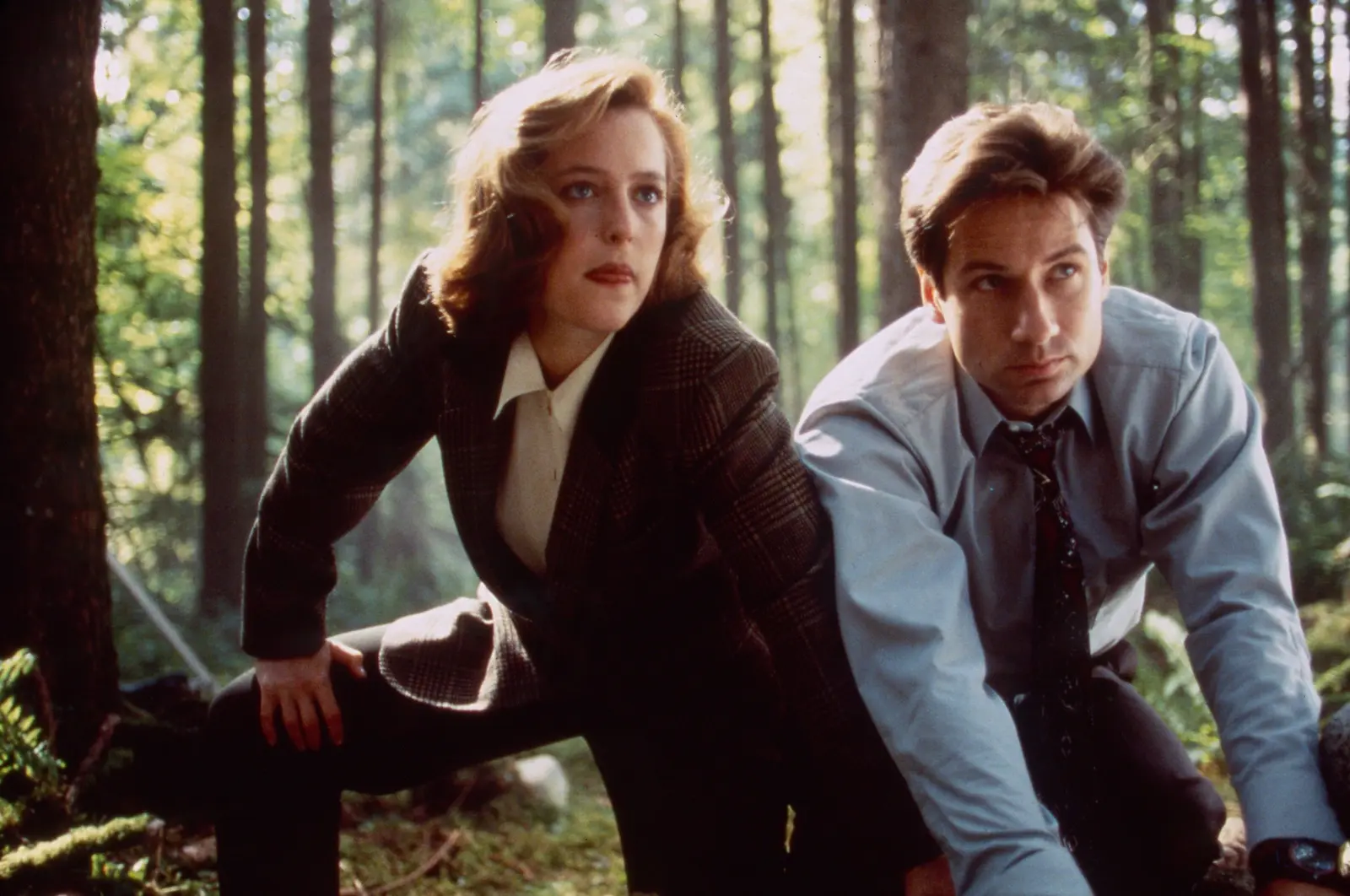 X‑Files Reaches Peak With Near‑Perfect Three‑Part Thriller
 Dakota Johnson and Turnstile to Appear on Saturday Night Live This Weekend
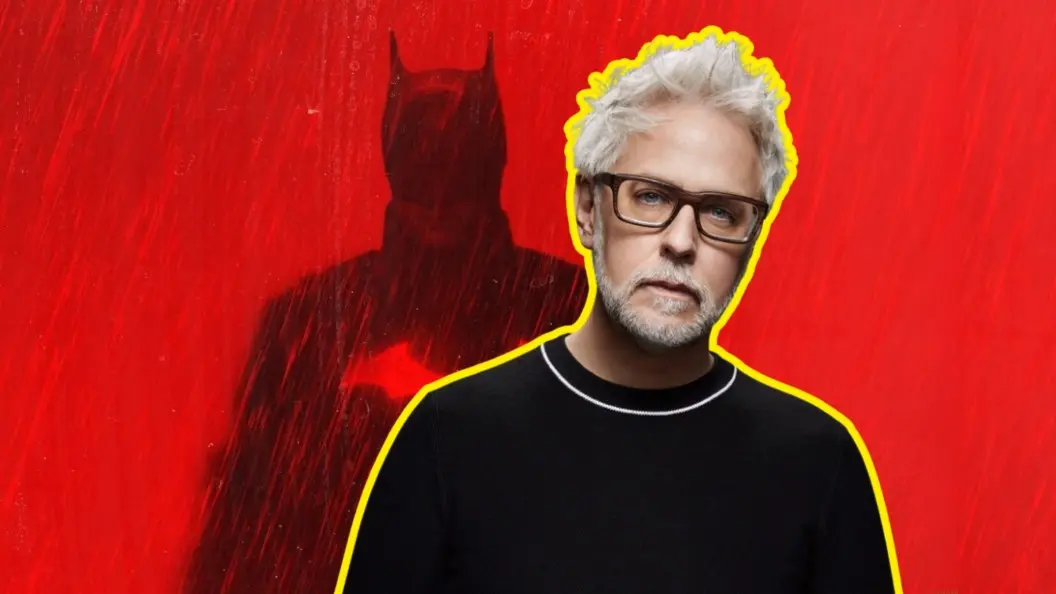 DC Batman Sequel Faces Further Delays Amid Franchise Expansion
The series arrived at a time when Westerns dominated prime‑time schedules, yet it struggled against more established shows like „Bonanza” and „Gunsmoke.” Production values were modest, and the network’s limited promotion left many potential viewers unaware of its existence. Despite these hurdles, the show offered a darker, more introspective take on the classic hero, emphasizing the moral ambiguity of violence and the cost of loyalty. Carradine’s portrayal of Shane—quiet, haunted, and fiercely protective—differed markedly from Alan Ladd’s stoic original, giving the character a new psychological depth that modern audiences find compelling.
Why Has the Series Gained New Attention?
Carradine’s Shane rarely delivered grand speeches; instead, he let actions speak. Episodes often focused on the tension between the incoming settlers and the encroaching forces of lawlessness, using the frontier as a backdrop for personal drama. The series also introduced supporting characters who were more than mere plot devices, such as the skeptical rancher who gradually trusts Shane, and the young girl whose innocence highlights the stakes of frontier life. Critics who revisited the series note its willingness to let the landscape itself become a character, with sweeping shots of open plains underscoring the isolation and danger faced by the pioneers.
Streaming platforms have made obscure shows accessible, prompting a wave of rediscovery for forgotten gems. Film historians point out that the 1960s marked a transitional period for Westerns, shifting from black‑and‑white morality to more nuanced narratives. Carradine’s „Shane” sits at this crossroads, offering a prototype for later anti‑hero Westerns like „Deadwood.” Moreover, the actor’s later fame—particularly his role in „Kung Fu” and the „Kill Bill” films—has drawn fans back to his early work, eager to trace his evolution as a screen presence.
What Does This Revival Mean for Classic Westerns?
The series’ limited run also adds a cult allure; each episode feels like a self‑contained vignette, allowing new viewers to dip in without committing to a long arc. Social media discussions and podcast reviews have highlighted specific scenes where Carradine’s silence conveys more than dialogue, reinforcing the show’s relevance in an era that values subtle, character‑driven storytelling.
The renewed interest suggests that audiences are hungry for Westerns that explore moral complexity rather than simple good‑versus‑evil tropes. As streaming services continue to mine archives, other short‑lived series may receive similar second chances. For the industry, this could mean a resurgence of period pieces that blend classic genre aesthetics with contemporary sensibilities, potentially inspiring new productions that honor the past while speaking to modern concerns.
Is the 1966 „Shane” series available to watch today? Yes, several streaming services have added the series to their catalogs, often bundled with other classic television collections, making it accessible for new viewers.
Frequently Asked Questions
How does Carradine’s Shane differ from the 1953 film version? Carradine’s interpretation is quieter and more introspective, emphasizing internal conflict and the psychological toll of violence, whereas Alan Ladd’s portrayal was more stoic and heroic.
Why did the series only last one season? Low ratings, stiff competition from established Westerns, and limited network support led to its early cancellation despite critical praise for its artistic ambitions.