Why Did MTV Abandon Such a Bold Vision So Quickly?
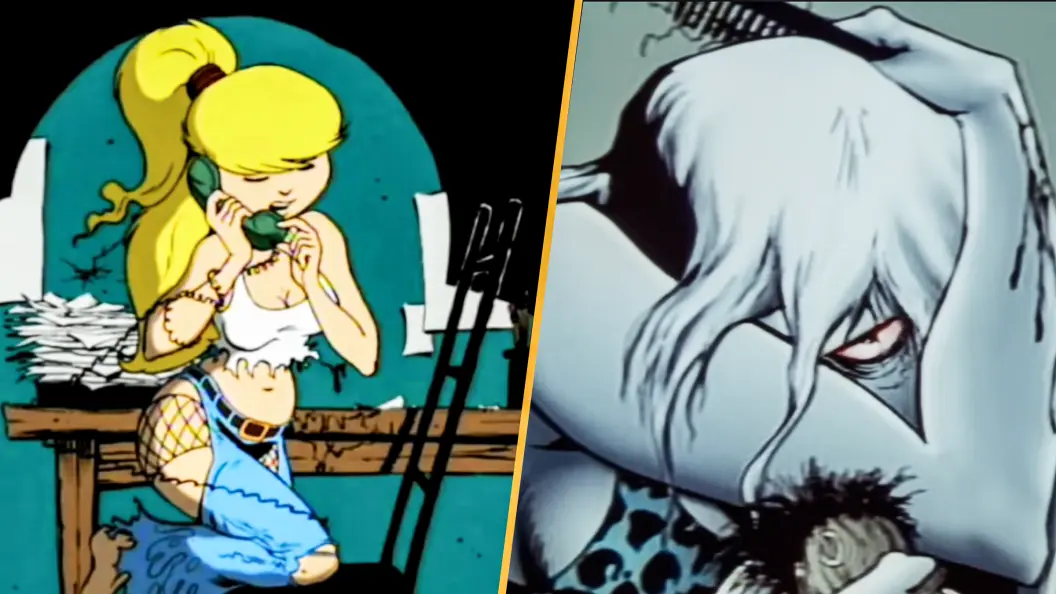
In 1995, MTV launched an animated series featuring a superhero with a distinctly unconventional appearance, part of the network's brief but bold experiment with original cartoons during the mid-1990s. The show aired for only one season before being cancelled, yet it has since been remembered by fans and critics as one of the most visually striking and emotionally resonant animated programs MTV ever produced. Set against a gritty urban backdrop, the series followed a lone hero navigating moral ambiguity in a world where traditional notions of good and evil were constantly challenged.
Culture picks
 Black Clover Returns With Strong Start to Season 2
 X‑Files Reaches Peak With Near‑Perfect Three‑Part Thriller
 Dakota Johnson and Turnstile to Appear on Saturday Night Live This Weekend
 DC Batman Sequel Faces Further Delays Amid Franchise Expansion
Unlike the sanitized, action-packed cartoons of the era that resolved conflicts before commercial breaks, MTV’s animation division pursued stories that were often crude, violent, darkly humorous, and unexpectedly poignant. The network sought to attract older teenagers and young adults by embracing animation as a medium for edgy, auteur-driven content rather than mere toyetic entertainment. This particular series stood out for its expressive, almost grotesque character design and its willingness to explore themes of isolation, identity, and societal neglect—topics rarely touched upon in mainstream animated fare at the time. Though low ratings led to its swift cancellation, the show developed a cult following years later, praised for its artistic ambition and tonal daring.
What Legacy Did This Short-Lived Series Leave Behind?
Despite critical admiration in niche circles, the series struggled to find a consistent audience amid MTV’s shifting priorities toward reality television and music-driven programming. Advertisers were hesitant to associate with its unsettling tone, and the network lacked long-term commitment to nurturing animated properties outside of established franchises. Internal documents from the era suggest that while executives admired the show’s creativity, they doubted its scalability and merchandising potential—factors that ultimately outweighed its artistic merits in the decision to pull the plug after just thirteen episodes.
Though forgotten by many, the series has been rediscovered through streaming archives and retrospective analyses, influencing later animated works that blend surreal visuals with emotional depth. Artists and writers cite it as a precursor to more adult-oriented animated dramas that gained prominence in the 2000s. Its cancellation remains a case study in how networks often abandon innovative projects prematurely when immediate commercial returns fail to materialize, even as their cultural significance grows over time.
What made the superhero in this MTV cartoon visually distinct from traditional heroes? The protagonist featured exaggerated, almost grotesque proportions and a design that emphasized vulnerability over power, setting him apart from the idealized physiques typical of 1990s superhero animation.
Frequently Asked Questions
Was the show ever considered for revival after its cancellation? There were informal discussions among creators about revisiting the world, but no formal revival efforts materialized due to rights complexities and lack of network interest.
Did any other MTV cartoons from this era share a similar tone? Yes, several other short-lived MTV animated series from the mid-1990s explored mature themes through unconventional styles, though few matched this show’s balance of emotional rawness and visual daring.