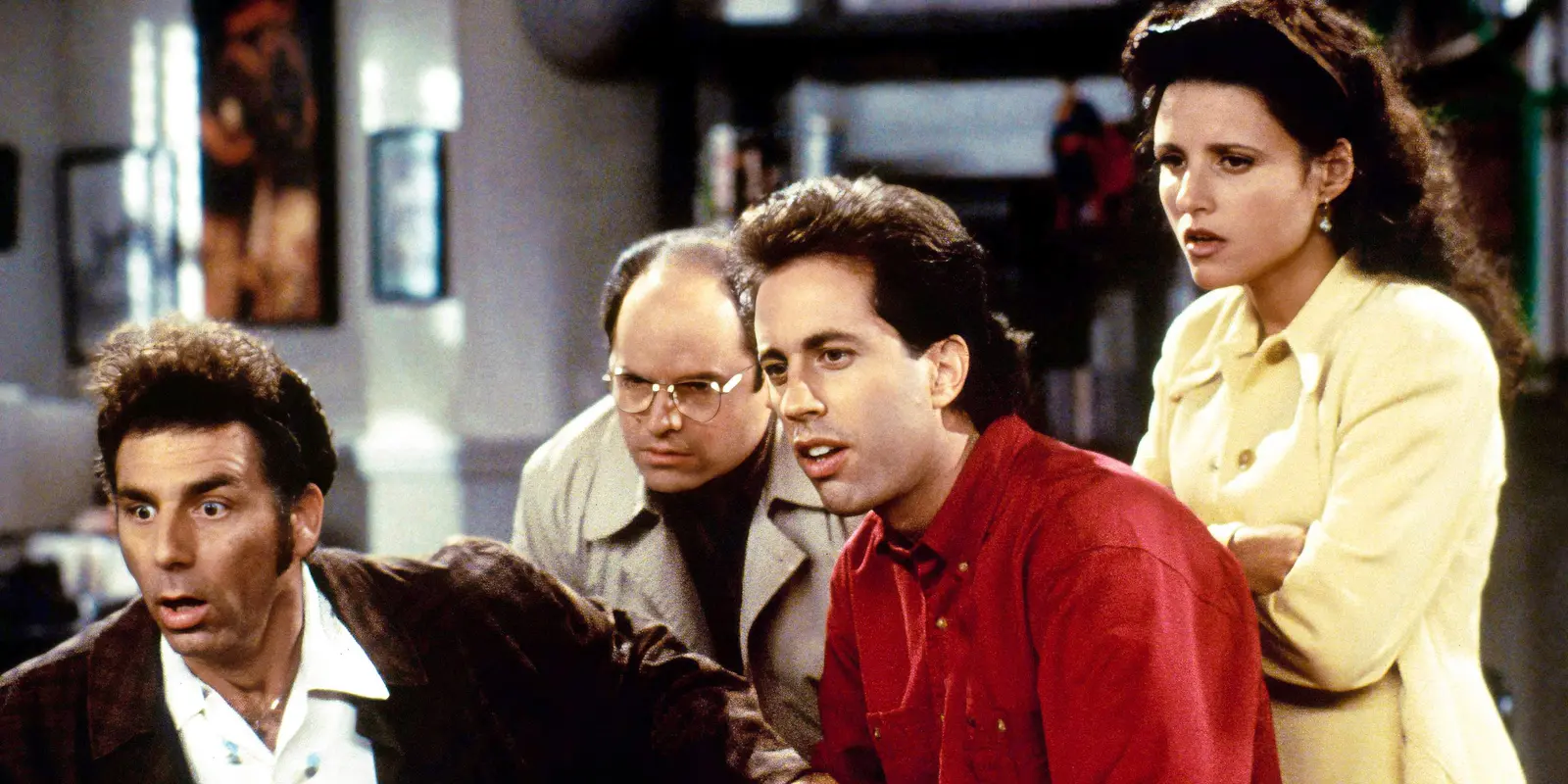
Why Elaine's Character Felt Different Without Larry David
When Larry David left Seinfeld after season seven, the show underwent a significant creative shift that affected one of its core characters in unexpected ways. Elaine Benes, portrayed by Julia Louis-Dreyfus, began as a sharp, independent woman who often matched wits with Jerry and George. However, following David's exit, her character trajectory took a turn that many fans and critics later viewed as a decline in depth and consistency, transforming her from a grounded presence into a more exaggerated caricature.
Culture picks
 VMAs 2026: Madonna Opens Show with First Performance in 23 Years
 Apple TV+ Announces Official Return of Rebecca Ferguson's Sci-Fi Thriller Silo for Next Year
 The MCU's upcoming X-Men reboot must learn key lessons from X-Men '97 to succeed
 Code Geass Returns After 10 Years With Star Chaser Aspal Series Premiering 2027
The absence of Larry David, who co-created the show and served as its primary writer and executive producer, meant a loss of the show's original tonal balance. David's influence had helped keep Elaine's character grounded in relatable neuroses and social awkwardness, much like the other leads. After his departure, the writing team leaned into broader comedic tropes, and Elaine's storylines increasingly relied on physical humor, romantic misfortunes, and exaggerated reactions rather than the nuanced, observational comedy that defined the series' early years. This shift was particularly noticeable in seasons eight and nine, where her plots often felt disconnected from the show's signature no hugging, no learningethos.
Did the Show Lose Its Voice After Larry David Left?
Larry David's writing style was rooted in irony, emotional restraint, and a keen eye for social minutiae—qualities that shaped Elaine's early portrayal as a woman navigating professional and personal life with a mix of confidence and vulnerability. Without his guiding hand, the show's writers struggled to maintain that same level of character integrity. Episodes like The Andrea Doriaand The Merv Griffin Showhighlighted Elaine's growing tendency toward hysterical outbursts and implausible schemes, which contrasted sharply with her earlier, more restrained behavior. Julia Louis-Dreyfus has acknowledged in interviews that the character evolved in ways she didn't always anticipate, noting that the collaborative dynamic shifted after David's exit.
While Seinfeld remained popular and critically acclaimed in its final seasons, many longtime observers argue that the show lost some of its distinctive voice without David's singular vision. Elaine Benes, once a standout example of a complex female sitcom character, became more reactive and less self-aware—a shift that disappointed fans who appreciated her initial authenticity. The change wasn't due to Louis-Dreyfus's performance, which remained strong, but rather to the evolving writing priorities in a post-David era where sitcom conventions sometimes took precedence over the show's original innovative spirit.
Why did Larry David leave Seinfeld? Larry David departed after season seven to pursue other projects, including his own series Curb Your Enthusiasm, citing a desire to avoid creative burnout and maintain artistic control over his work.
Frequently Asked Questions
How did Elaine's character change in later seasons? Elena became more prone to extreme emotional reactions and farcical situations, moving away from the subtle, ironic humor that defined her early portrayal and aligning more with broad sitcom tropes.
Was Julia Louis-Dreyfus happy with how Elaine's arc developed? While she has praised the role overall, Louis-Dreyfus has noted in interviews that Elaine's evolution sometimes surprised her, reflecting the shifting creative direction after Larry David's exit.