Why These Vessels Matter Beyond Their Craftsmanship
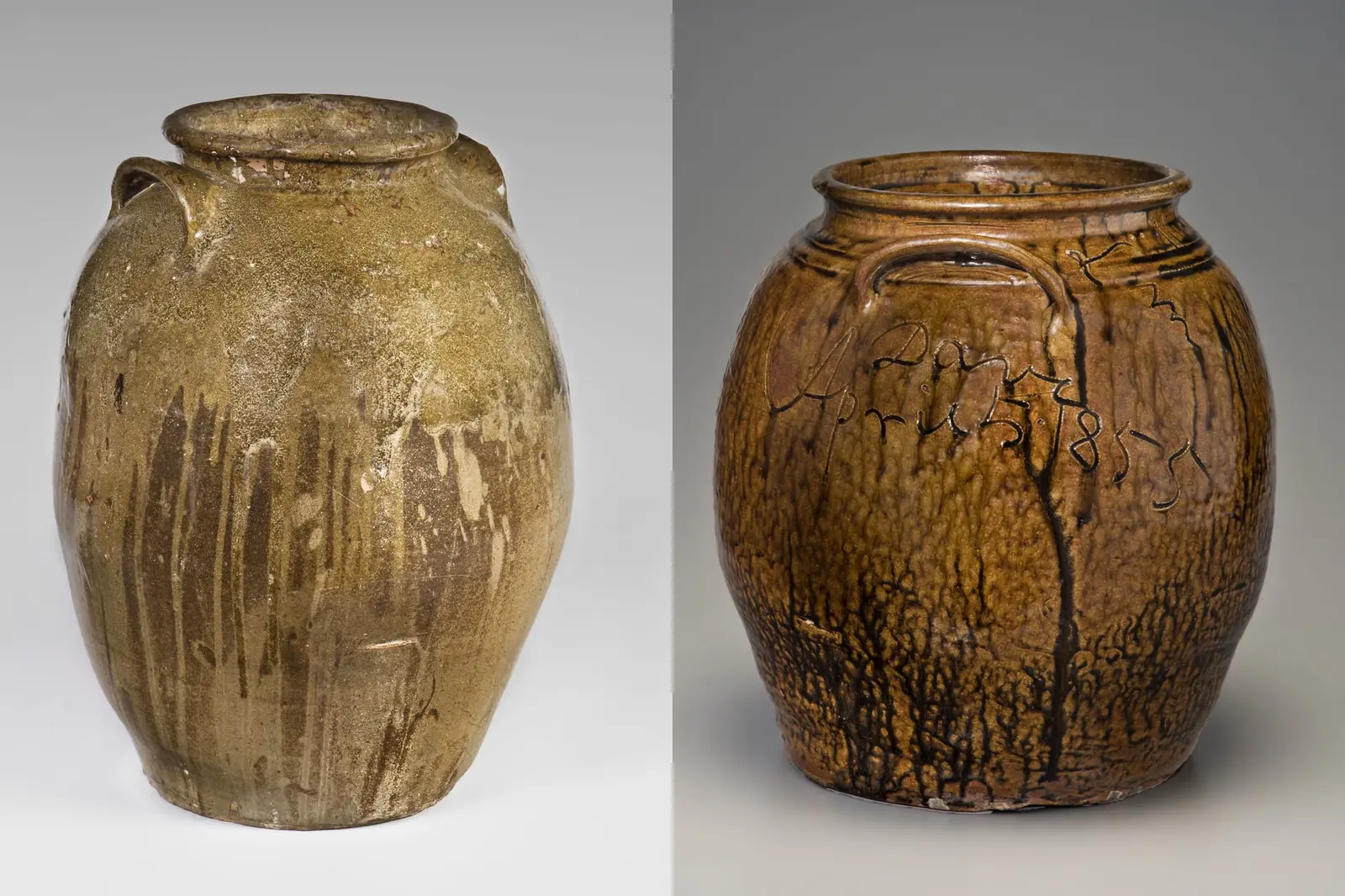
The Milwaukee Art Museum has transferred ownership of two 19th-century stoneware vessels created by enslaved potter David Drake, known as Dave the Potter, to his living descendants. The handover occurred in late September 2026, following years of dialogue between the museum and family representatives. This action aligns with a growing national movement to return culturally significant artifacts made by enslaved artisans to their rightful heirs. The vessels, inscribed with Drake’s signature and poetic verses, were part of the museum’s American decorative arts collection.
Culture picks
 Indie Memphis Film Festival Returns for 28th Annual Cinematic Showcase
 MobLand Claims Top Spot on Paramount+
 Marvel Unveils Dramatic Visual Overhaul for Iconic Avenger Before Doomsday
 Charlie Sheen Returns to the Screen in High-Profile Sitcom Reunion
The return process involved careful verification of lineage and consultation with historians specializing in African American craft traditions. Museum officials emphasized that the decision was driven by ethical considerations rather than legal obligation, recognizing the profound personal and historical value these objects hold for Drake’s family. One vessel dates to 1857 and features a rare couplet about liberty, while the other, from 1859, bears a spiritual reflection. Both were acquired by the museum in the mid-20th century through private donations.
How Are Museums Changing Their Approach to Enslaved Artisans’ Legacies?
David Drake’s work stands as a rare testament to literacy and artistic expression among enslaved people in antebellum South Carolina. Despite laws prohibiting enslaved individuals from learning to read or write, Drake signed and inscribed his pots with original poetry, transforming functional ware into acts of quiet resistance. Scholars note that fewer than 100 of his inscribed vessels survive today, making each return a significant moment for cultural restitution. The Milwaukee museum’s action follows a similar announcement this week from a Virginia institution that also repatriated a Drake vessel to family members.
Institutions across the United States are reevaluating how they steward objects created by enslaved artists, shifting from viewing them as anonymous artifacts to recognizing individual creators and their lineages. This shift includes provenance research, community collaboration, and, in some cases, physical repatriation. Experts suggest that such actions foster deeper public understanding of slavery’s complex legacy while honoring the resilience and ingenuity of enslaved craftspeople. The Drake family plans to display the vessels in a private family space, with potential future loans to educational exhibits focused on African American history.
Who was David Drake and why is he significant? David Drake was an enslaved potter working in South Carolina during the 1800s who defied anti-literacy laws by signing and inscribing his stoneware vessels with original poetry and dates, making him one of the few known enslaved artisans to leave a personal mark on his work.
Frequently Asked Questions
What happens to the vessels now that they’ve been returned? The vessels have been formally transferred to Drake’s descendants, who intend to preserve them as family heirlooms and may consider lending them to museums or educational programs that honor African American history and craftsmanship.
Is this part of a broader trend in museum practices? Yes, an increasing number of museums are reviewing collections for objects tied to enslaved creators and engaging in restitution or shared stewardship agreements, reflecting evolving ethical standards in cultural heritage management.