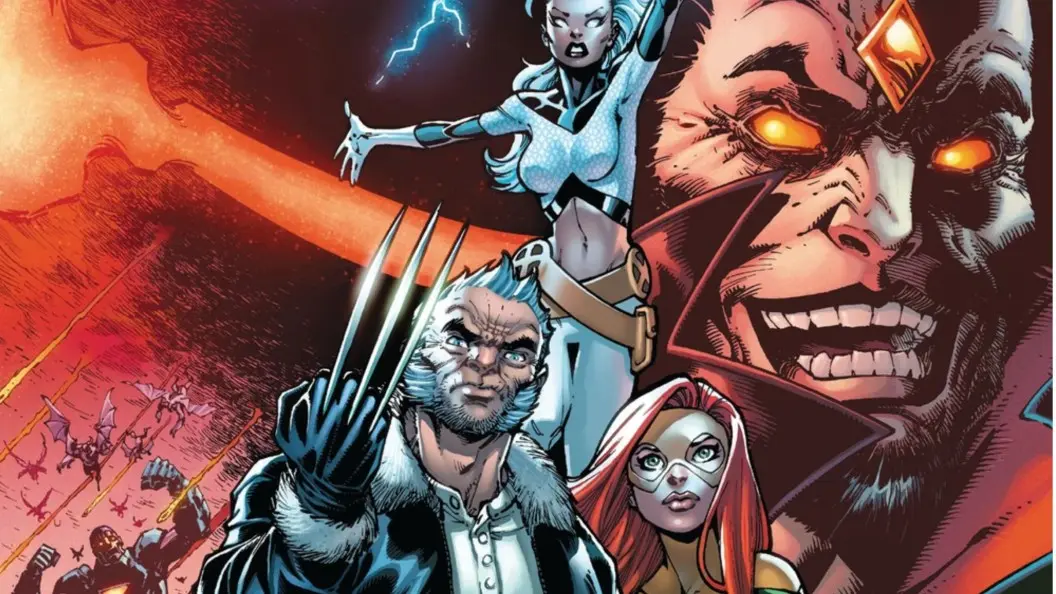
Strategic Integration of Legacy Characters
Marvel Studios has officially integrated the X-Men franchise into the Marvel Cinematic Universe. This move marks a significant shift for the mutant characters who previously existed outside the main shared universe. Fans have waited ten years for this specific crossover event. The announcement signals that the beloved team will soon appear in major theatrical releases. Their return promises to reshape the landscape of superhero cinema.
Culture picks
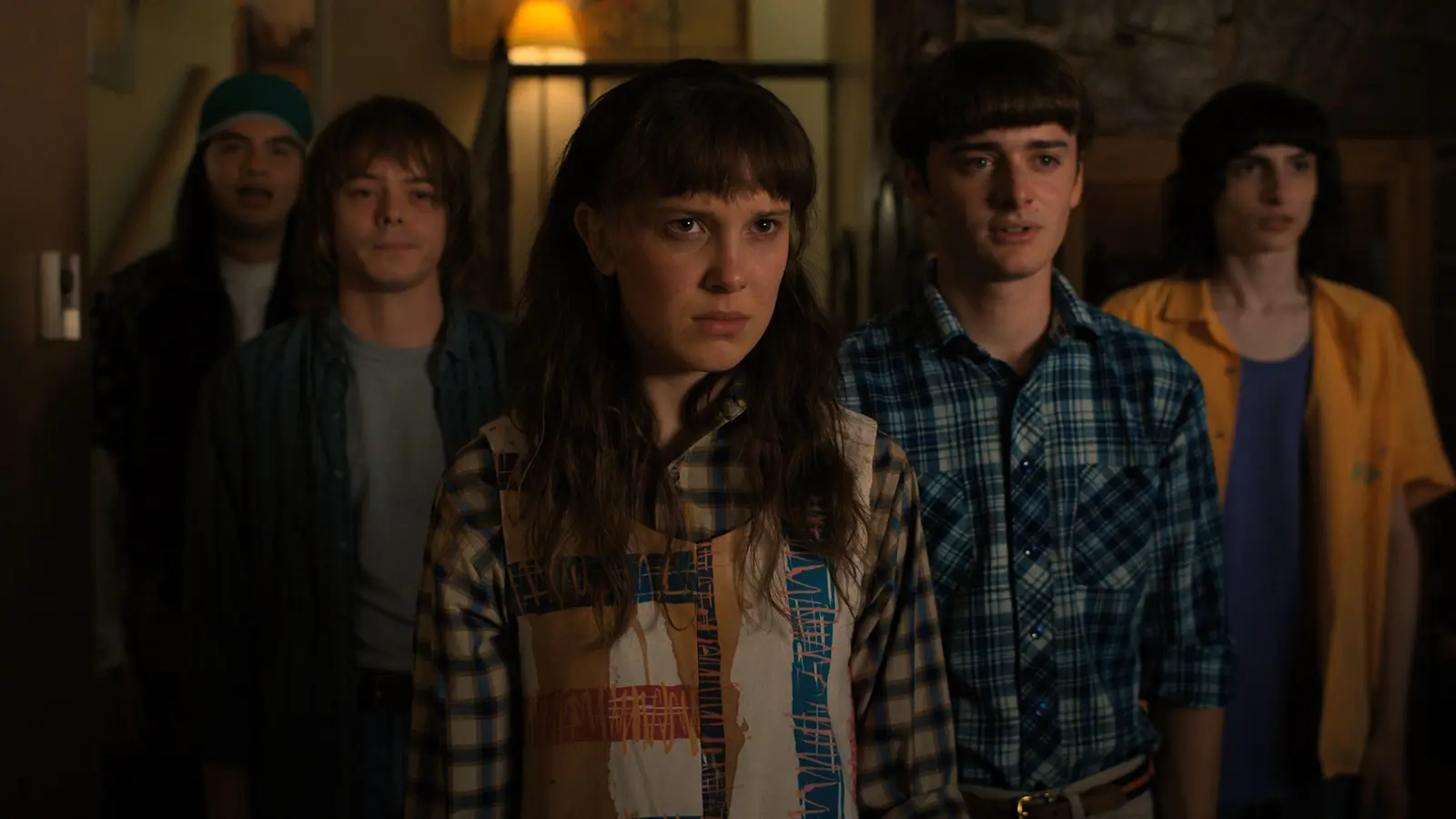 The Expanding Universe of Stranger Things After the Final Season
 A Dark Lesson in Greed Takes the Stage at Pasadena Playhouse
 Rolf de Heer to Lead Tokyo Film Festival Jury
 George Lucas Defends Controversial Star Wars Edits and CGI Choices
The integration follows a long period of speculation and fan demand. Marvel acquired the film rights after Disney purchased Fox. This acquisition allowed the studio to merge two distinct but related properties. The X-Men were once considered too complex for the broader MCU audience. However, recent films have successfully introduced complex narratives to mainstream viewers. The timing reflects a strategic decision to leverage existing fanbases.
Marvel executives plan to introduce the mutants gradually. They aim to avoid overwhelming new audiences with decades of lore. The studio will likely use existing characters as entry points. This approach mirrors how they handled other legacy teams. The goal is to make the X-Men feel like a natural part of the MCU. Producers are working to bridge the gap between old and new storylines. They must address continuity issues from previous standalone films.
Can New Audiences Handle Complex Lore?
The visual style will differ from the Fox era. Marvel Studios employs a distinct aesthetic across its slate. This means the X-Men will look different on screen. Costume designs and special effects will align with current standards. The transition requires careful handling of character backstories. Some fans worry about losing the gritty tone of earlier adaptations. Others welcome the chance to see these heroes interact with Avengers. The balance between nostalgia and innovation remains a key challenge.
The primary concern involves audience reception. Many younger viewers know the X-Men only through cartoons or games. They may not understand the deep political themes of the comics. Marvel must simplify certain aspects without losing depth. Educators and creators discuss how to present mutation as a metaphor. It represents diversity and social struggle in modern society. The studio has tools to explain these concepts clearly. They can use dialogue and visual storytelling to convey meaning.
Data from previous box office results supports this strategy. Superhero films continue to dominate global revenue. The X-Men brand holds strong recognition worldwide. Merchandise sales often spike before new film announcements. This indicates sustained consumer interest in the property. The potential for spin-off series on streaming platforms also exists. These shows could explore individual character arcs in detail. Such formats allow for deeper character development than films.
Frequently Asked Questions
The coming decade will define the future of the X-Men. Success depends on strong writing and compelling performances. If executed well, the mutants become central to the MCU. Failure could lead to further fragmentation of the superhero genre. Fans expect high quality given the long wait. The pressure on writers and directors is immense. Ultimately, the integration tests Marvel’s ability to manage multiple large franchises. The outcome will influence all future superhero storytelling.
When will the first X-Men MCU film release? The exact date has not been confirmed yet. Marvel Studios typically announces release windows during major events. Fans should expect updates within the next year.
Will previous X-Men actors return? Some legacy actors may appear in cameo roles. New cast members will likely take on lead parts. This ensures fresh energy for the new era.