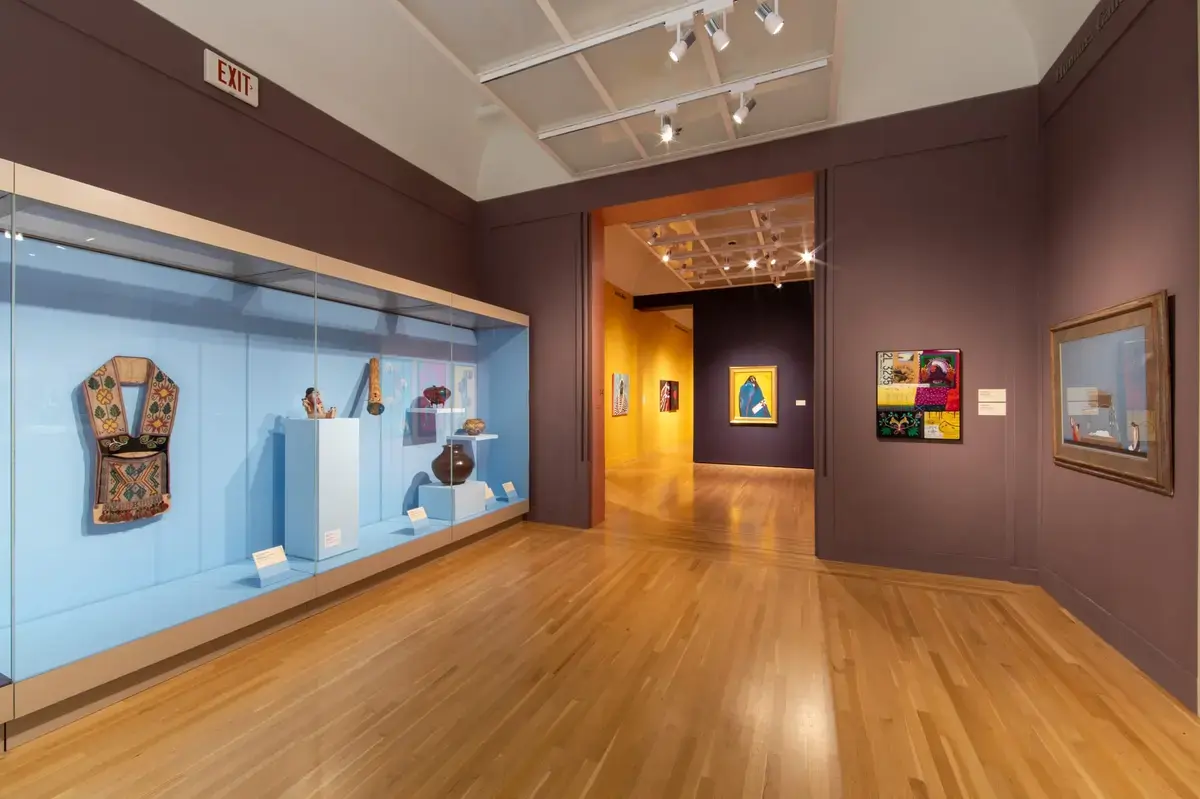
A Celebration of Heritage and Identity
On August 19, the Speed Art Museum in Kentucky held a ceremony to return 24 culturally significant artifacts to Native American communities in Oklahoma. These items, which include a turtle amulet and a Cheyenne cradle board, are vital to the heritage and identity of the tribes.
Culture picks
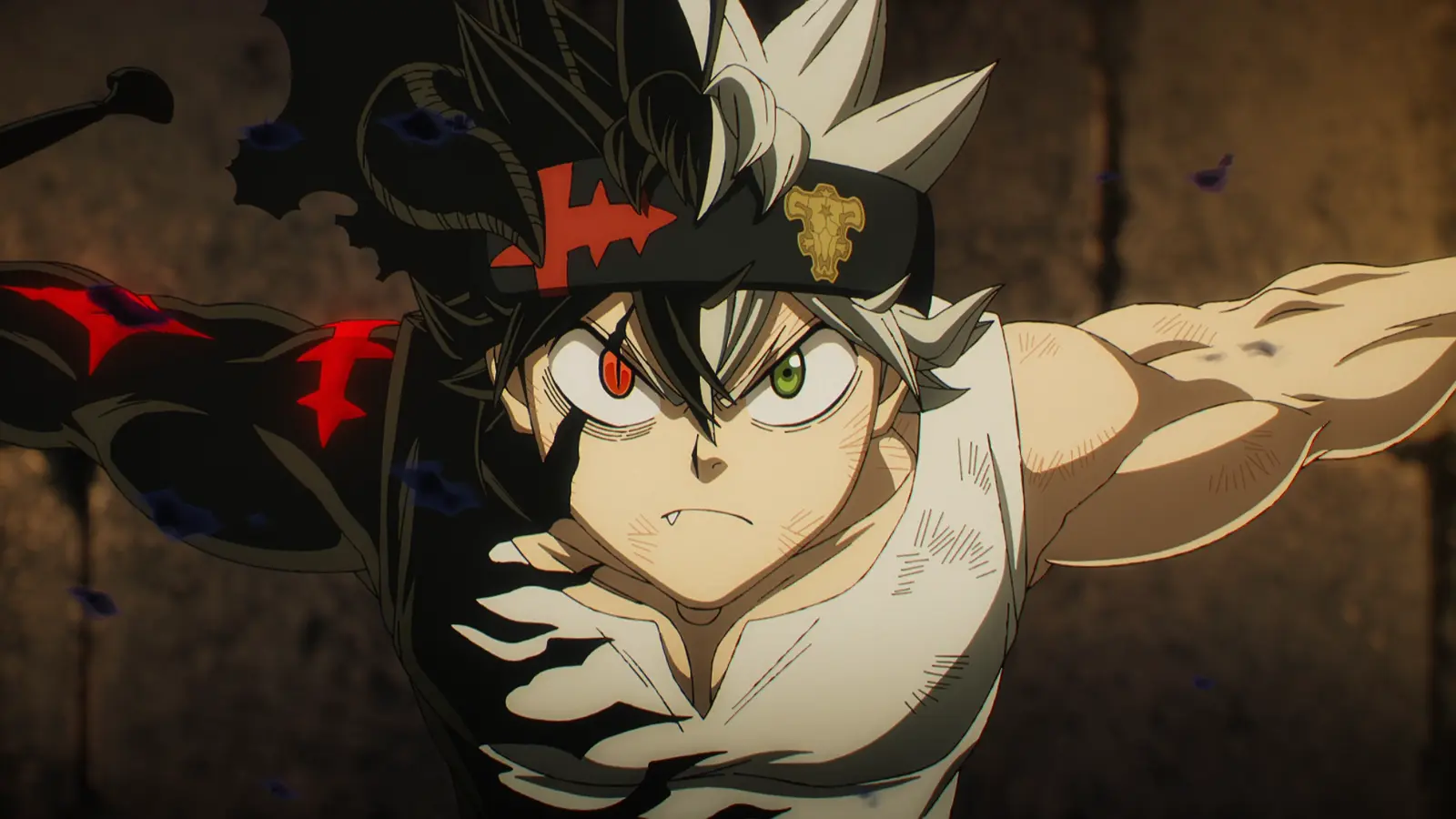 Black Clover Returns With Strong Start to Season 2
 X‑Files Reaches Peak With Near‑Perfect Three‑Part Thriller
 Dakota Johnson and Turnstile to Appear on Saturday Night Live This Weekend
 DC Batman Sequel Faces Further Delays Amid Franchise Expansion
The return of these artifacts marks a significant moment in the ongoing efforts to repatriate Native American cultural items. The Speed Art Museum has worked closely with tribal representatives to ensure that these treasures are returned to their rightful owners. The artifacts had been part of the museum's collection for several years, but their cultural importance prompted the decision to return them.
Among the items being returned are a turtle amulet, believed to hold protective qualities, and a Cheyenne cradle board, which symbolizes the nurturing of future generations. Additionally, a slate of beaded bags is included in the collection, showcasing the intricate craftsmanship of Native artisans. These artifacts are not merely objects; they represent the stories and traditions of the tribes from Oklahoma.
Why Is Repatriation Important?
During the ceremony, tribal leaders expressed their gratitude for the return of these items. „These artifacts are part of our history,”said one representative. „They connect us to our ancestors and our culture.”The event highlighted the importance of recognizing and respecting the cultural heritage of Native American communities.
Repatriation is a crucial step in healing the historical wounds caused by the removal of Native American artifacts from their communities. For many tribes, these items are sacred and hold deep spiritual significance. The act of returning them is a recognition of past injustices and an effort to restore cultural integrity.
The Speed Art Museum's initiative reflects a growing trend among institutions to address the legacy of colonialism and the impact it has had on indigenous cultures. By returning these artifacts, museums can foster better relationships with Native communities and contribute to the preservation of their heritage.
The return of these artifacts is expected to have a positive impact on the tribes involved. It allows for cultural revitalization and strengthens community ties. As tribes reclaim their heritage, they can pass down traditions and stories to future generations.
Frequently Asked Questions
What types of artifacts were returned? The artifacts include a turtle amulet, a Cheyenne cradle board, and beaded bags, all significant to the cultural heritage of Oklahoma tribes.
Why is repatriation important for Native American tribes? Repatriation helps restore cultural identity and acknowledges historical injustices. It allows tribes to reconnect with their heritage and preserve their traditions.
How do museums decide to return artifacts? Museums typically engage with tribal representatives and assess the cultural significance of items before making decisions on repatriation. This process ensures that the artifacts are returned to their rightful owners.