Why the 2000s were a golden age
A dozen science‑fiction shows from the early 2000s still dominate viewers’ minds. From the emotional maze of Lost to the high‑octane battles of Star Wars: Clone Wars , these series blend complex storytelling with eye‑punching visuals. Fans and critics alike praise their depth, character arcs, and cultural impact.
Culture picks
 Crystal Harris Urges Jessica Biel to Decline Role as Hugh Hefner’s Wife
 Ben Affleck Struggles in Netflix’s Latest Crime Thriller Animals
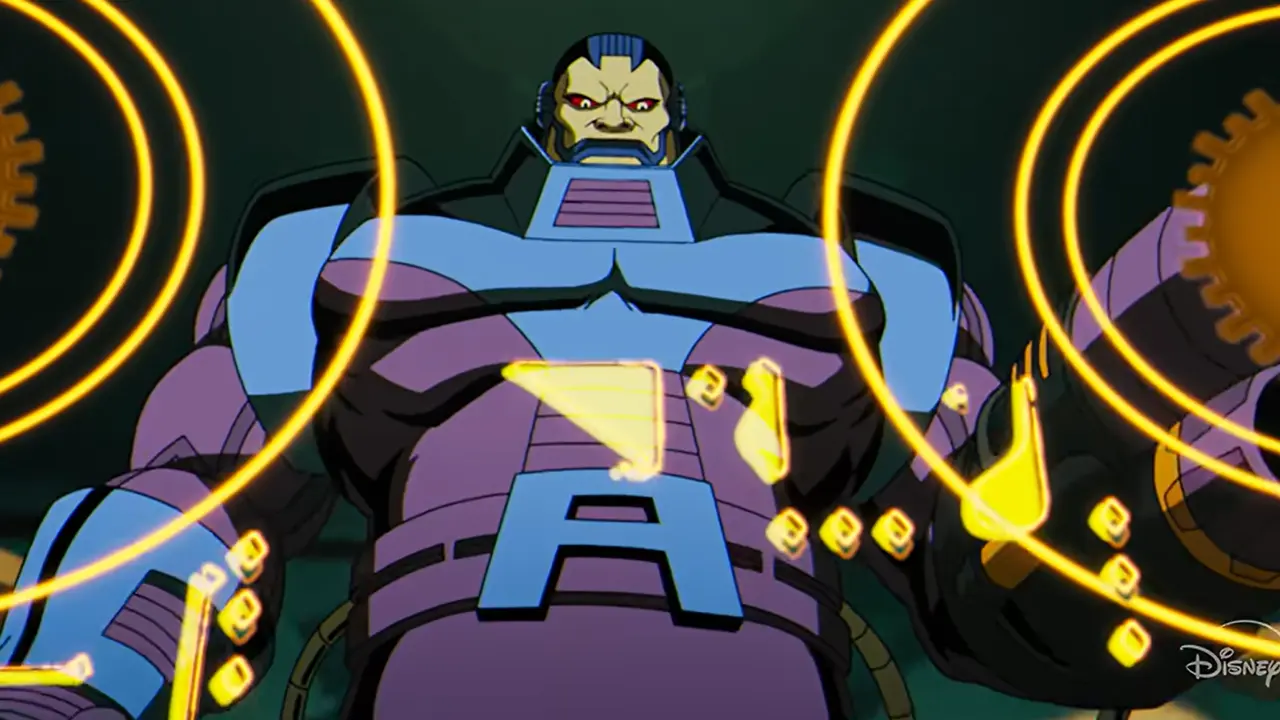 X‑Men '97 Returns with Deadpool and She‑Hulk in Season 3
 Dungeon Crawler Carl Expands at New York Comic Con with New Plushies and Figures
These shows were produced between 2000 and 2010, a decade that saw the rise of streaming and a shift toward serialized narratives. Each title pushed genre boundaries, offering fresh takes on familiar tropes. Their lasting popularity testifies to strong writing, memorable villains, and groundbreaking special effects that set new standards for television.
How these shows shaped modern television
The new millennium brought technological advances that allowed creators to build more immersive worlds. Digital compositing, motion capture, and high‑definition broadcasting made it possible to depict space battles, alien landscapes, and futuristic cities with unprecedented realism. Networks were eager to experiment, and audiences were hungry for stories that challenged their imagination.
Critics note that this era also marked a shift from episodic to long‑form storytelling. Series like Lost introduced overarching mysteries that spanned seasons, encouraging binge‑watching long before streaming services became mainstream. The result was a more engaged fan base, eager to dissect plot twists and theorize about hidden meanings.
The influence of these series is evident in today’s sci‑fi landscape. Battlestar Galactica introduced a gritty, character‑driven approach that inspired shows such as The Expanse and Westworld . Star Wars: Clone Wars revitalized the franchise, proving that animated storytelling could attract both longtime fans and new viewers. Moreover, Lost popularized the use of flashbacks and non‑linear narratives, techniques that are now staples in many dramas.
What makes a sci‑fi series timeless?
Production teams also learned valuable lessons from these shows. The success of Battlestar Galactica demonstrated that a strong ensemble cast could carry a series beyond its initial premise. Meanwhile, Star Wars: Clone Wars showed that high production values could be achieved on a lower budget through efficient use of animation techniques.
The key ingredients are compelling characters, a well‑crafted mythos, and a willingness to take risks. Audiences respond to stories that explore moral ambiguity and social commentary, as seen in Battlestar Galactica ’s treatment of war and survival. Visual spectacle remains important, but without a solid narrative foundation, even the most dazzling effects can feel hollow.
Creators who balance these elements tend to create series that endure. The 2000s set the template: high production standards, complex storytelling, and a focus on character development. Modern shows that follow this blueprint—such as The Mandalorian and Stranger Things —continue to thrive because they echo the lessons learned during that formative decade.
Frequently Asked Questions
Q: Which 2000s sci‑fi series is considered the most influential? A: Battlestar Galactica is often cited as the most influential, thanks to its realistic portrayal of war and its deep character arcs that reshaped the genre.
Q: Did any of these shows receive major awards? A: Yes, Battlestar Galactica won several Emmy Awards, and Star Wars: Clone Wars earned accolades for its animation and storytelling.