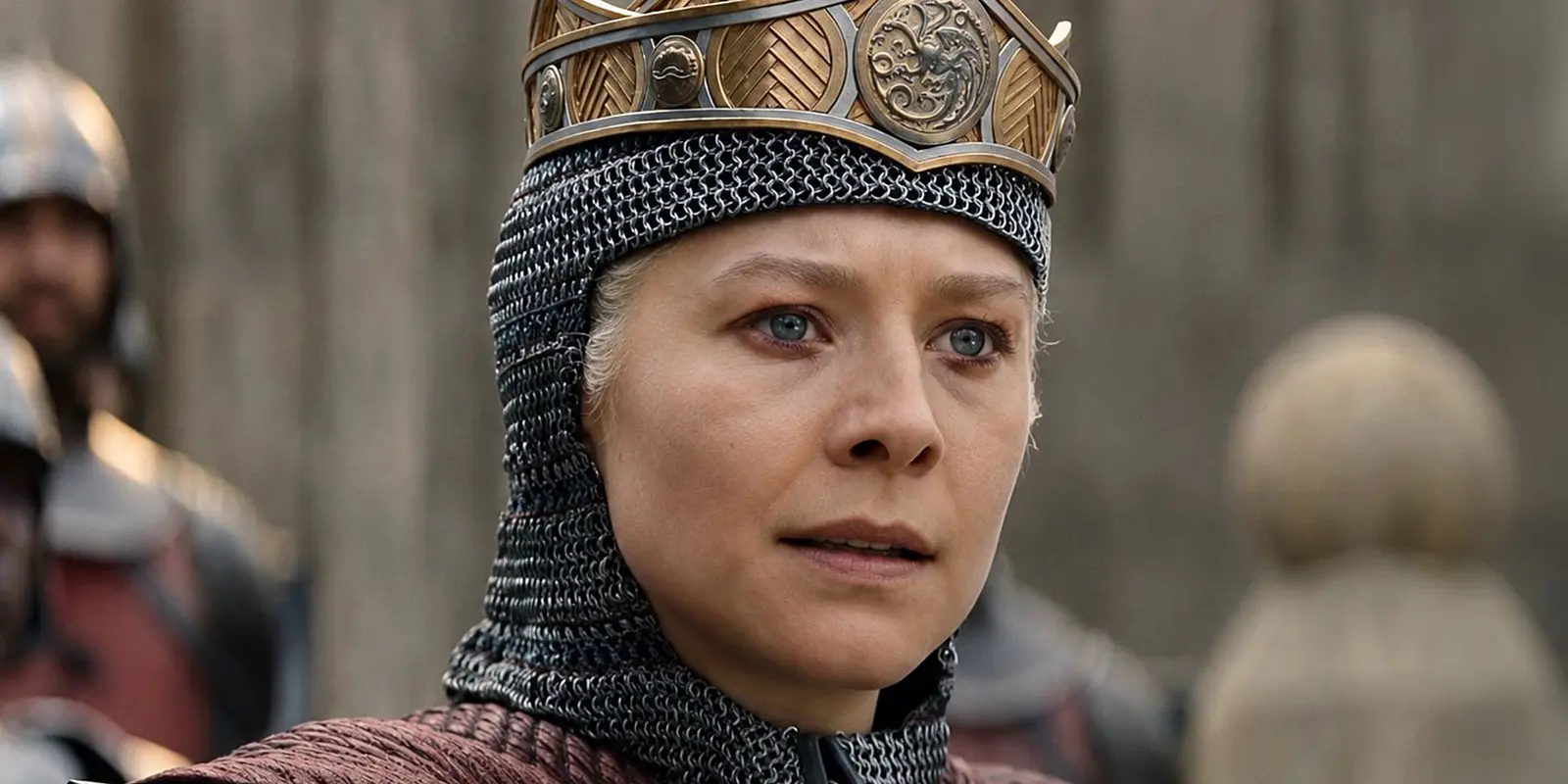
The Cost of Narrative Compression
Major streaming platforms like Netflix and HBO are increasingly standardizing their original series into eight-episode seasons. This rigid formula has become the industry default for high-budget dramas and genre shows. However, critics and viewers argue that this specific length often undermines narrative quality and leaves audiences feeling dissatisfied with the pacing.
Culture picks
 Apple TV's Shrinking Season 4 Marks New Chapter After Season 3 Finale
 Prime Video's High Fantasy Series Delivers Two of Genre's Best Battles
 Netflix’s „East of Eden” Ranks Third Globally with 782 Million Minutes Watched
 James Gunn Shares Update on Mister Miracle Animated Series Cameo Potential
The shift toward shorter seasons marks a departure from the traditional 13 or 22-episode structures that once defined television. While streaming executives claim this format prioritizes quality over quantity, the result is frequently a rushed story. Many shows struggle to balance character development with plot progression within such a narrow window.
Creators are finding it difficult to flesh out complex worlds when forced into an eight-episode box. Subplots are often discarded, and character arcs feel accelerated to meet the finale deadline. This creates a disconnect where the story feels both stretched thin and hurried at the same time.
Is Quality Being Sacrificed for Efficiency?
Viewers are noticing that these seasons lack the breathing room required for genuine emotional investment. When a series concludes after only eight installments, the resolution often feels unearned or abrupt. The industry seems to be prioritizing production efficiency over the natural rhythm of long-form storytelling.
The financial incentives for shorter seasons are clear, as they reduce production costs and turnaround times. Yet, this approach ignores the fundamental desire of fans for immersive, well-paced television experiences. The current trend suggests that platforms are more interested in content volume than in sustaining long-term viewer engagement.
Frequently Asked Questions
If this trend continues, audiences may grow weary of shows that fail to deliver a satisfying narrative arc. Studios risk alienating their core base by adhering to a formula that serves balance sheets rather than creative integrity. Future success will likely depend on whether platforms allow writers the flexibility to determine the length of their own stories.
Why are streaming services choosing eight-episode seasons? Studios prefer this length to lower production costs and shorten the time between seasons. It allows them to release more content throughout the year while managing high-budget projects.
Does a shorter season always mean better quality? Not necessarily. While it can reduce fillerepisodes, it often forces writers to rush character development and plot resolutions, which can hurt the overall experience.