
How „East of Eden” Captured Global Attention
The seven‑episode limited series „East of Eden,” Netflix’s latest adaptation of the classic novel, has quickly become a streaming powerhouse. Nielsen data for the week of Sept. 28‑Oct. 4 places the drama at No. 3 overall in global viewership, accumulating 782 million minutes. On the platform’s Originals chart, it sits at No. 2, confirming its rapid rise among new releases.
Culture picks
 Heat Returns to Streaming, Sparks Talk of Sequel
 November Streaming Surge: Hulu’s Fresh Lineup for the Month Ahead
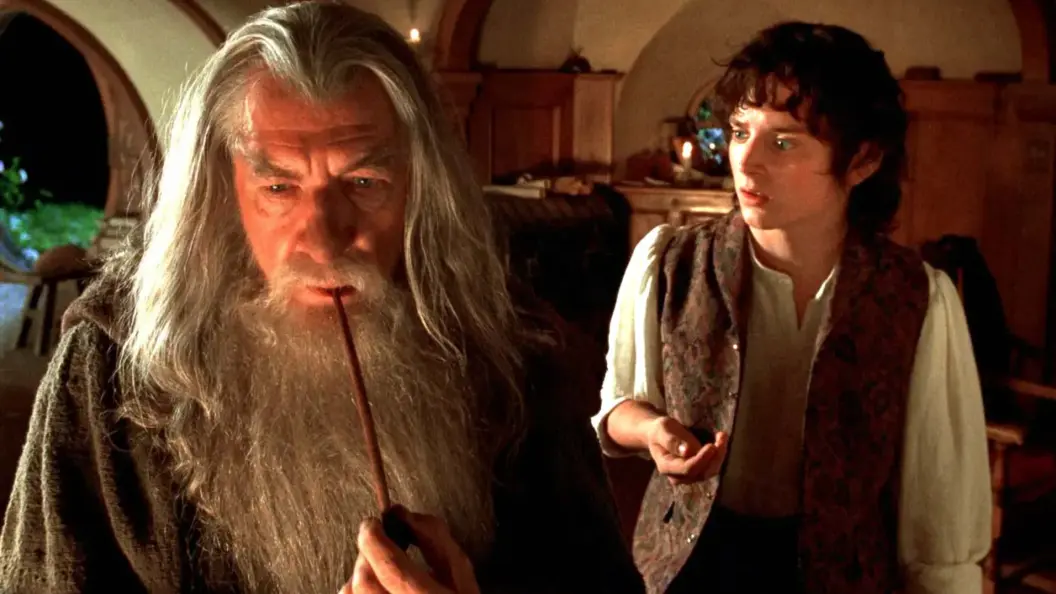 Peter Jackson Provides Update on Stephen Colbert's Lord of the Rings Film Project
 Netflix is set to lose a DC film that was meant to reshape the franchise but instead contributed to its decline
The series, produced by Netflix Studios and filmed across several historic locations in the United States, reimagines John Steinbeck’s 1952 masterpiece for a modern audience. Its success reflects both the enduring appeal of literary adaptations and Netflix’s strategy of investing in high‑budget, limited‑run dramas. By condensing Steinbeck’s sprawling narrative into seven tightly scripted episodes, the show delivers a focused storyline that keeps viewers engaged from start to finish. Critics have praised its production design, period‑accurate costumes, and strong performances, especially from the lead actors who bring depth to the novel’s complex characters. The timing of the release, coinciding with a surge in demand for prestige television, also contributed to its strong numbers.
The series’ marketing campaign leveraged social media teasers and targeted ads in key markets, creating buzz before its debut. Nielsen’s metrics show a sharp spike in viewership during the first two days, indicating that the promotional push succeeded in drawing audiences in. Moreover, the show’s themes of family rivalry, moral conflict, and the American Dream resonate across cultures, helping it to attract viewers beyond English‑speaking territories. Netflix’s algorithm also placed the series prominently on user homepages, further boosting its exposure. Industry analysts note that the combination of a well‑known literary source and high production values often translates into strong streaming performance, a pattern „East of Eden” now exemplifies.
Will This Success Prompt More Classic Adaptations on Netflix?
The impressive viewership figures suggest that Netflix may double down on classic literature adaptations. Executives have hinted at a slate of upcoming projects based on works by authors such as Charles Dickens and Virginia Woolf. If „East of Eden” continues to hold audience interest, it could set a benchmark for future limited series, encouraging the platform to allocate larger budgets to similar endeavors. The series also raises questions about the balance between artistic fidelity and streaming‑friendly storytelling, a debate that will likely shape upcoming productions.
The strong start of „East of Eden” positions it as a flagship title for Netflix’s 2024 lineup. Its performance may influence how streaming services prioritize content, potentially leading to more ambitious adaptations that blend literary prestige with binge‑watchable formats. As the series progresses, viewership trends will be closely watched by competitors and creators alike, shaping the next wave of high‑profile streaming dramas.
Frequently Asked Questions
What is the source material for „East of Eden”? The series adapts John Steinbeck’s novel „East of Eden,” a multi‑generational saga set in California’s Salinas Valley, first published in 1952.
How many episodes does the show have? It is a limited series consisting of seven episodes, each ranging from 50 to 60 minutes.
Why is the series performing so well on Netflix? Strong marketing, universal themes, high production quality, and strategic placement on the platform’s homepage have driven high viewership, as reflected in Nielsen’s data.