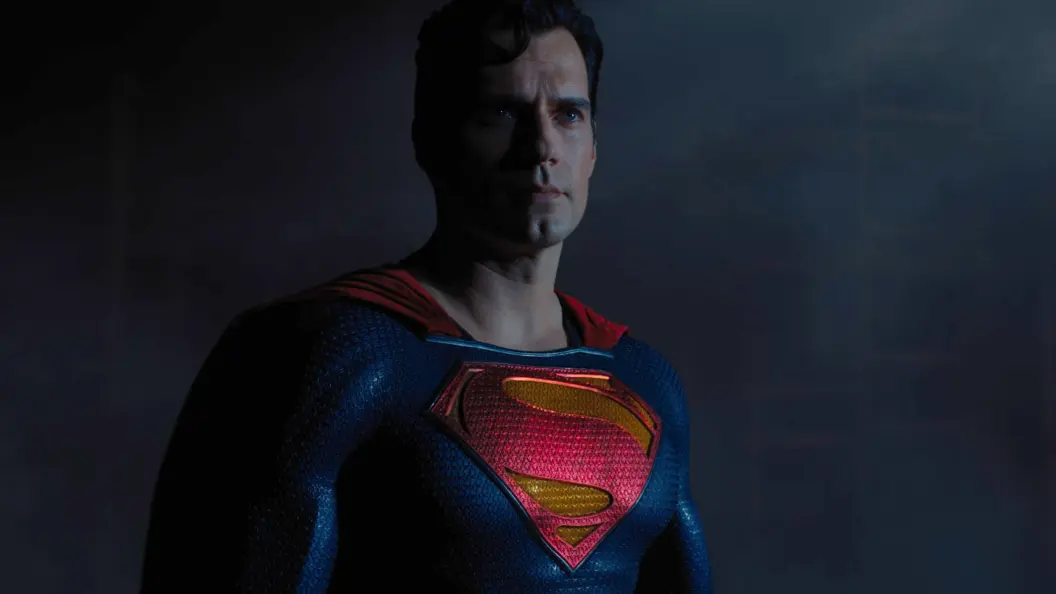
What Went Wrong With the Film’s Release
The streaming platform Netflix will no longer carry a DC movie that was originally intended to revitalize the cinematic universe but ultimately became part of a series of underperforming releases. This change comes as Warner Bros. Discovery continues to restructure its DC Studios under James Gunn’s leadership, aiming to distance the new DC Universe from the troubled legacy of the previous DCEU era. The film in question, released during the final phase of the old DC Extended Universe, failed to meet box office expectations despite high hopes tied to its connection with broader franchise plans.
Culture picks
 Fony Review: Connie Britton and Sam Nivola Lead Hulu's Paranoid Mystery Series
 Disney Appoints Carol Choi to Lead Asia-Pacific Operations
 Star Wars Franchise Set to Break Television Records in Four Months
 Tim McGraw Celebrates Hall of Fame Induction with Family at Nashville Ceremony
The movie, which debuted after Zack Snyder’s Man of Steel launched the original DCEU over ten years ago, was positioned as a potential turning point for the franchise. However, it joined several other late-era DCEU films that struggled financially and critically, contributing to growing concerns about the sustainability of the shared universe model. Internal reports suggest the film’s underperformance was influenced by inconsistent tone, shifting creative direction, and audience fatigue following years of uneven storytelling. While it did not single-handedly end the DCEU, it exemplified the challenges that led Warner Bros. to hit reset with Gunn and Peter Safran at the helm.
How Is the New DC Universe Avoiding These Mistakes
The film faced multiple setbacks during production and marketing, including reshoots and conflicting visions between studios and filmmakers. Though it featured high-profile cast members and was tied to upcoming sequels, its narrative failed to resonate with both critics and general audiences. Box office returns fell significantly below projections, especially when compared to earlier DCEU successes. Analysts noted that the movie suffered from being released in a crowded superhero season without a clear differentiator, ultimately becoming another cautionary tale in the franchise’s decline.
James Gunn’s DCU emphasizes tighter creative control, interconnected storytelling from the outset, and a clearer tonal identity. Unlike the earlier approach, which often allowed standalone visions to clash, the new model prioritizes cohesion across films and series. Gunn has stated publicly that each project will serve the larger narrative while still functioning as a strong standalone story. Early releases under this banner, such as the 2025 Superman film, have shown stronger critical reception and improved audience engagement, signaling a shift in strategy.
Can Streaming Platforms Still Play a Role in DC’s Future
While Netflix is losing this title, the broader question remains about how streaming fits into DC’s long-term plans. Warner Bros. Discovery has increasingly favored releasing films in theaters first before moving them to its own Max platform. However, limited licensing deals with external streamers may still occur for older titles or under specific conditions. For now, the focus is on rebuilding theatrical trust and brand value, with streaming playing a secondary, selective role in the DCU’s evolution.
Why is Netflix losing this DC film? The licensing window for the movie has expired, and Warner Bros. Discovery is prioritizing its own streaming service, Max, for recent DC content as part of a broader content strategy.
Frequently Asked Questions
Was the film ever intended to be a franchise starter? Yes, it was positioned as a potential launchpad for future sequels and spin-offs, but its poor performance halted those plans before they could materialize.
Does this affect James Gunn’s new DCU plans? No, the removal impacts only legacy DCEU titles. The current DCU operates under a separate creative and contractual framework, with no direct ties to the film’s availability.