The Haunting Echo of a Cinematic Legend
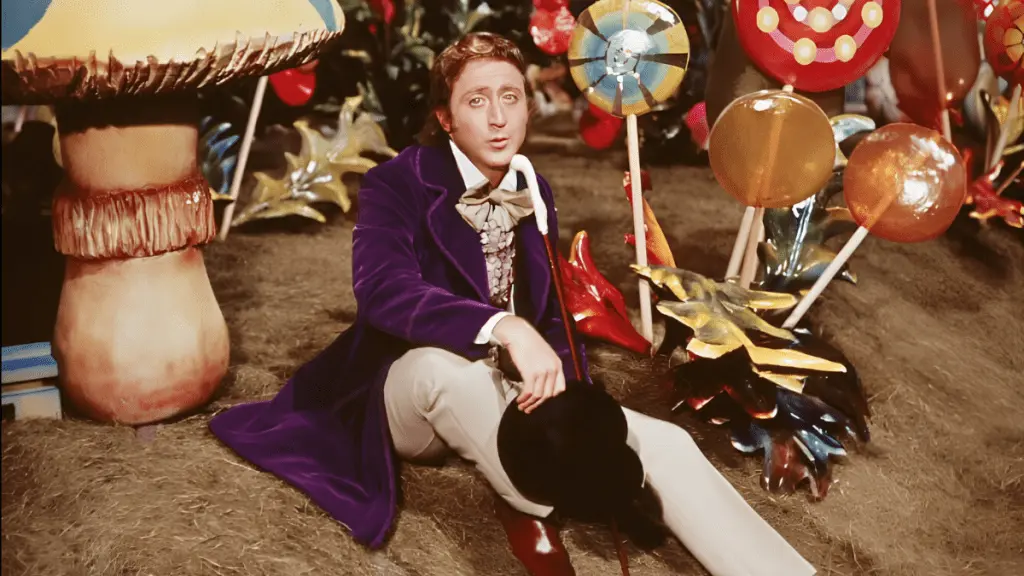
Peter Ostrum, who portrayed Charlie Bucket in the 1971 classic Willy Wonka & the Chocolate Factory, experienced a profound emotional moment during the production of a new Netflix reality series. While filming Wonka’s The Golden Ticket, the former child star became visibly upset upon hearing a digital recreation of Gene Wilder’s iconic voice.
Culture picks
 Aya Nakamura Recognized at Inaugural Billboard France Power Players Event
 Godflesh Concludes a Decades-Long Industrial Legacy With Final Studio Effort
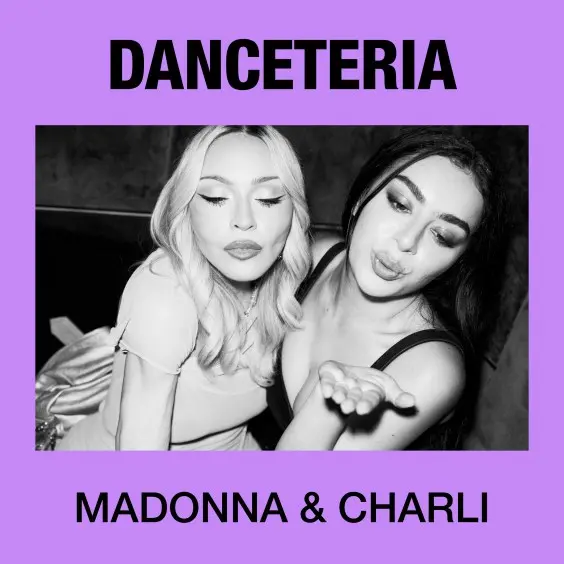 Pop Icons Madonna and Charli XCX Collaborate on Danceteria Remix
 Sarah Paulson and Ryan Murphy Clash Over American Horror Story Rankings
The reality competition show utilizes advanced artificial intelligence to simulate the late actor’s speech patterns. This technological resurrection aims to bring the spirit of the original film into the modern production. However, the experience proved jarring for those who worked closely with Wilder on the original set over five decades ago.
The use of synthetic media to replicate deceased performers remains a contentious topic within the entertainment industry. For Ostrum, the encounter was not merely a technical demonstration but a deeply personal confrontation with a memory of his former co-star. The uncanny accuracy of the AI voice triggered a visceral reaction, highlighting the complex intersection of nostalgia and modern innovation.
Can Synthetic Voices Truly Honor a Legacy?
Producers integrated the voice technology to provide continuity between the beloved 1971 movie and the new competition format. By mimicking the distinct cadence and tone of the original Willy Wonka, the show attempts to bridge the gap between generations. Yet, this approach raises significant questions about the boundaries of digital preservation in media.
The emotional response from the original cast underscores the ethical dilemmas surrounding posthumous digital performances. While technology allows studios to keep iconic portrayals alive, it can also complicate the grieving process for those who shared a professional bond with the deceased. As AI tools become more sophisticated, the industry must navigate the line between respectful tribute and commercial exploitation.
Frequently Asked Questions
The incident serves as a reminder that voices carry profound human weight that algorithms struggle to replicate. As Netflix continues to explore these digital frontiers, the reaction from legacy actors will likely influence future discussions on the use of AI. The balance between honoring cinematic history and respecting the humanity of the original performers remains a critical challenge for filmmakers.
What exactly occurred during the filming of the Netflix series? Peter Ostrum became emotional after hearing an AI-generated version of Gene Wilder’s voice. The production team used this technology to simulate the late actor's presence within the reality show.
Why is the use of AI in this context controversial? Many critics and former colleagues worry about the ethics of recreating a deceased actor's voice without their active participation. It raises concerns regarding digital consent and the potential for artificial performances to overshadow real human history.