The Technology Behind a Nostalgic Revival
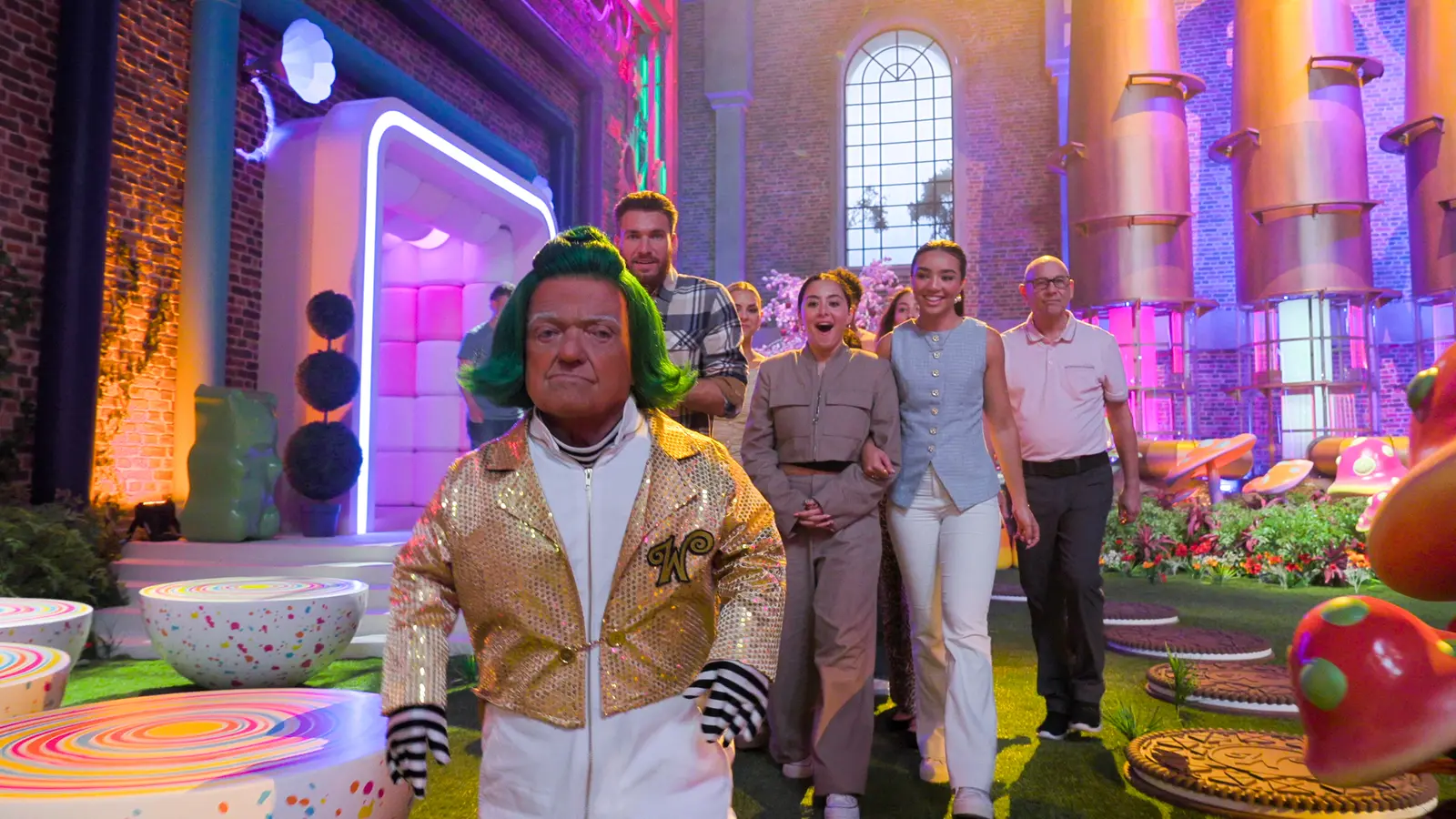
Rusty Goffe, the actor who portrayed an Oompa‑Loompa in the 1971 film Willy Wonka & the Chocolate Factory , was moved to tears after hearing a newly generated version of Gene Wilder’s iconic voice. The event took place at a special screening in Los Angeles on September 22, 2026, where the studio showcased a cutting‑edge AI model that replicated Wilder’s vocal performance.
Culture picks
 The Expanding Universe of Stranger Things After the Final Season
 A Dark Lesson in Greed Takes the Stage at Pasadena Playhouse
 Rolf de Heer to Lead Tokyo Film Festival Jury
 George Lucas Defends Controversial Star Wars Edits and CGI Choices
The studio’s announcement highlighted the project’s aim to preserve the legacy of classic film stars. By training a neural network on Wilder’s recorded dialogue, the AI was able to reproduce his distinctive timbre and phrasing with remarkable accuracy. Goffe, who worked closely with Wilder on set, described the experience as „heart‑warming and deeply personal.” He added that hearing Wilder’s voice again, even through a machine, reminded him of the camaraderie and creative energy that defined the original production.
Why Goffe’s Tears Matter: A Legacy Revisited
The AI system used a deep learning architecture that analyzed thousands of hours of Wilder’s film and television work. Engineers fed the model with isolated vocal tracks, enabling it to learn subtle nuances such as breath control and emotional inflection. When prompted, the AI could generate new lines in Wilder’s style, allowing the studio to complete unfinished scenes or create promotional material without the actor’s physical presence.
Critics of the technology argue that it risks diluting the authenticity of the original performances. However, proponents point out that the AI’s output was used sparingly, primarily for archival and educational purposes. The studio emphasized that the recreated voice was never intended to replace Wilder’s original work but to honor his contribution to cinema history.
What Happens Next for AI‑Generated Film Content?
Rusty Goffe’s reaction underscores the emotional resonance that iconic voices hold for both audiences and fellow performers. „When I heard the AI version, it felt like a reunion,” Goffe told reporters. „It was a reminder of the magic we created together.” His statement highlights how technological advances can bridge generational gaps, allowing newer audiences to experience classic performances in fresh contexts.
The event also sparked a broader conversation about the ethical use of AI in recreating deceased artists. Industry insiders suggest that clear guidelines and consent from estates will be essential as the technology becomes more widespread. For Goffe, the moment was a bittersweet tribute to a mentor and a testament to the enduring power of film.
The studio plans to release a limited series of restored Willy Wonka clips featuring the AI‑generated voice, slated for a digital launch in early 2027. They also intend to collaborate with other film archives to apply similar techniques to lost footage from the 1960s and 1970s. While the technology promises to preserve cinematic heritage, it also raises questions about the balance between innovation and artistic integrity.
Frequently Asked Questions
In the coming months, audiences will be able to experience a new chapter of the Willy Wonka legacy, blending nostalgia with cutting‑edge AI. The industry will need to navigate the legal and ethical implications carefully, ensuring that the voices of past legends are respected while embracing the possibilities of tomorrow.
Q: Was Gene Wilder’s estate involved in the AI project? A: Yes, the studio secured permission from Wilder’s estate before training the model, ensuring that the recreated voice aligns with the actor’s legacy.