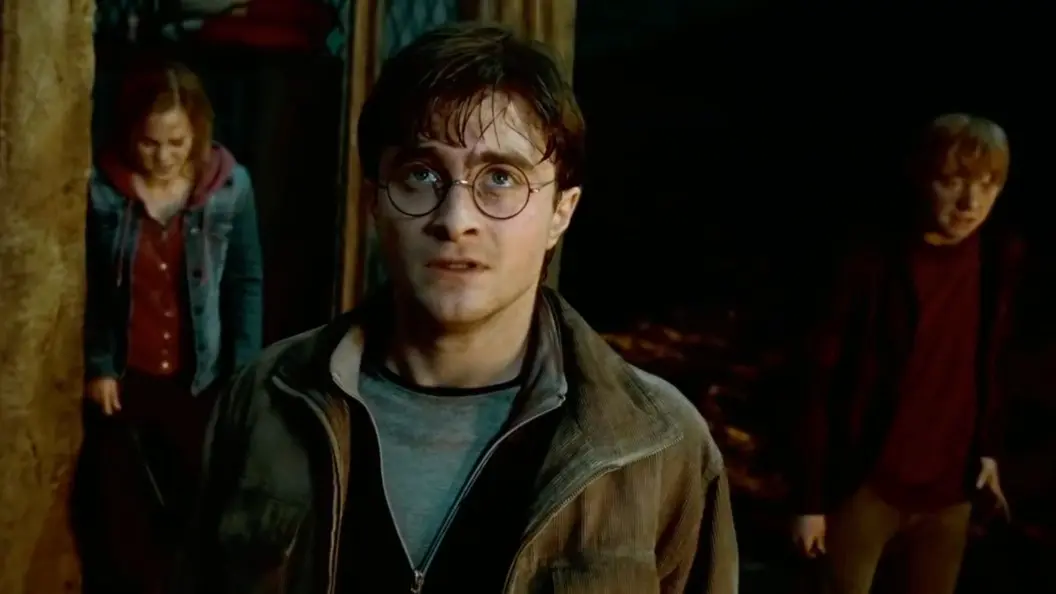
A Spiritual Thriller Rooted in Faith and Fear
Long before directing Prime Video's upcoming Carrie adaptation, Mike Flanagan established his reputation through three acclaimed Netflix miniseries. His skill lies in blending supernatural terror with authentic human drama, creating stories that resonate beyond typical genre boundaries. The recent success of The Fall of the House of Usher demonstrated his talent for reimagining classic literature, specifically Edgar Allan Poe's works, with modern horror sensibilities.
Culture picks
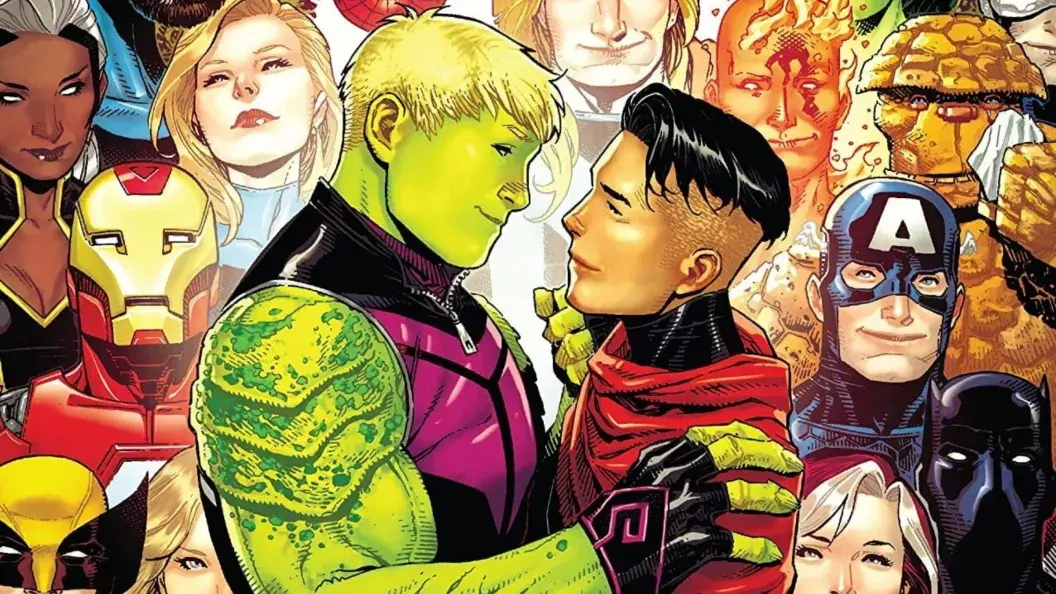 New MCU Rumor Adds Young Avengers Hero and Potential Superhero Romance
 John Wick's opening line remains the most quoted in franchise history
 Netflix has officially released what many consider the greatest Batman film ever made
 Kenan Thompson Addresses Shane Gillis Controversy During SNL Monologue
Midnight Mass transforms a seemingly ordinary island community into a setting for profound theological horror. The story follows Father Pruitt's return to his hometown, where miraculous events spark both religious fervor and growing dread. Flanagan crafts horror not through cheap jump scares, but through existential questions about faith, mortality, and divine intervention. The miniseries builds tension slowly, allowing viewers to become invested in characters before revealing the true nature of the supernatural forces at play.
The narrative explores how religious communities can be simultaneously comforted and corrupted by belief in miracles. When island residents begin experiencing what appear to be genuine miracles, their faith intensifies, leading to darker consequences. Flanagan uses this framework to examine organized religion's potential for both healing and destruction, making the horror feel deeply personal rather than merely sensational.
What Makes This Horror Different From Typical Supernatural Stories?
Unlike conventional horror that relies on external monsters, Midnight Mass creates terror from within the community itself. The threat emerges from trusted religious figures and beloved neighbors, turning familiar relationships into sources of genuine unease. Flanagan's approach focuses on character development first, ensuring that when supernatural elements surface, audiences care deeply about the people involved.
The miniseries also distinguishes itself through its philosophical depth. Rather than providing easy answers about good versus evil, it presents complex moral dilemmas that challenge viewers' assumptions about faith and salvation. This intellectual approach elevates the horror beyond mere entertainment, creating lasting impact that extends well beyond the final episode.
As Flanagan continues his career with high-profile projects like the Carrie adaptation, his earlier Netflix work remains a benchmark for thoughtful horror storytelling. Midnight Mass proves that the most effective scares often come not from what goes bump in the night, but from questioning everything we think we know about morality, faith, and human nature itself.
Frequently Asked Questions
What makes Midnight Mass different from other horror miniseries? The show focuses on internal community conflict rather than external threats, using religious themes to create psychological horror that feels personally relevant to viewers' own questions about faith and morality.
How does Mike Flanagan approach horror differently than typical directors? He prioritizes character development and human relationships before introducing supernatural elements, ensuring that when horror emerges, audiences are emotionally invested in the outcome.
Is Midnight Mass based on existing literature? No, it's an original story created specifically for Netflix, though it draws heavily on themes common in Gothic horror and religious thriller genres.