What Makes These Series Stand Apart From Typical War Dramas
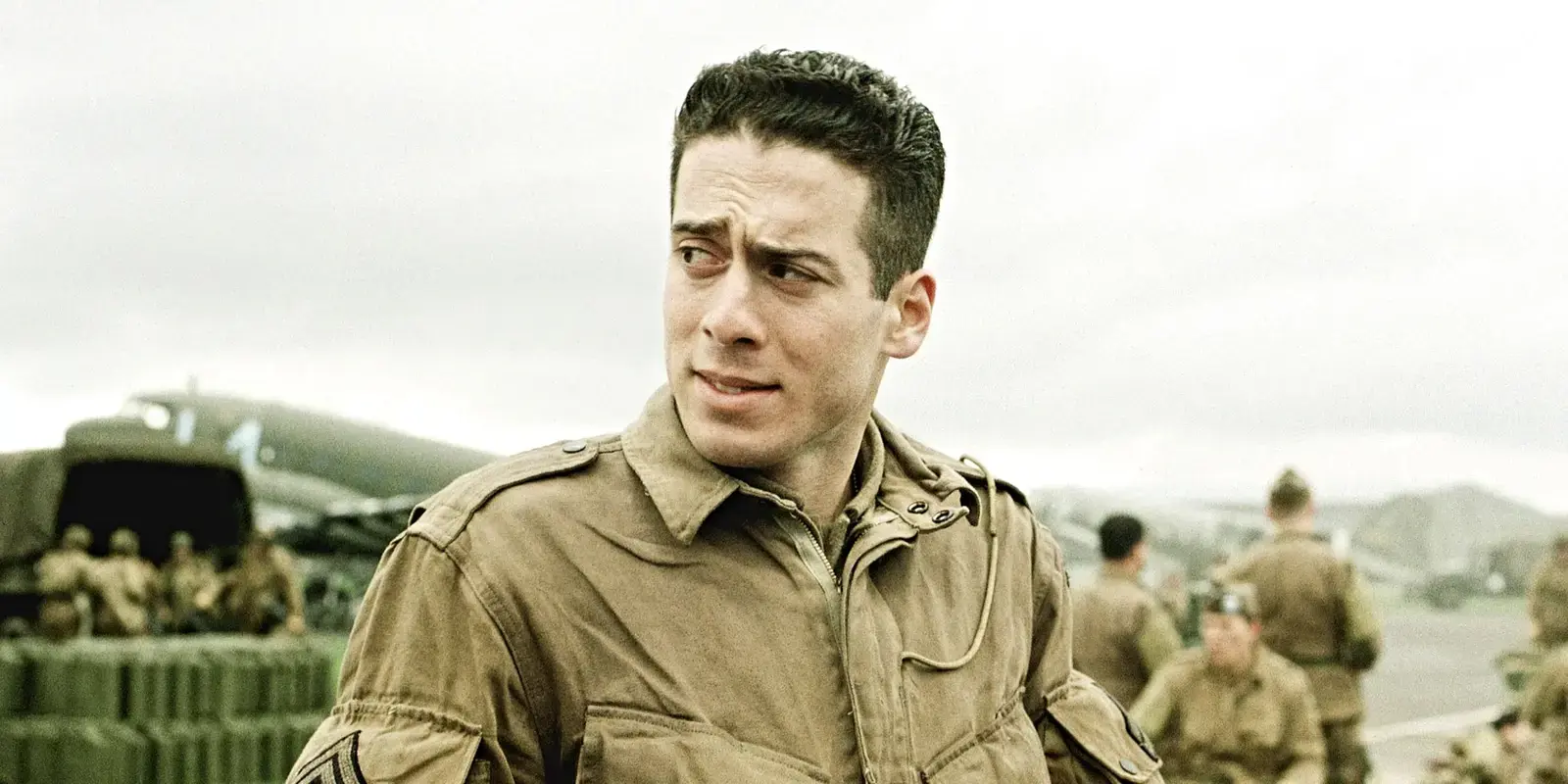
A selection of acclaimed war miniseries stands out for their consistent quality from opening scene to final frame, offering viewers immersive and emotionally resonant storytelling. These productions, spanning different conflicts and eras, have earned praise for their authenticity, character depth, and unflinching portrayal of combat and its aftermath. Released over the past two decades, they continue to attract new audiences through streaming platforms and critical rediscovery.
Culture picks
 Lanterns Star Poorna Jagannathan Analyzes Zoe’s Dark Turn in Episode Five
 ABC’s 14‑Part Cyberpunk Series Calls for Black Mirror‑Level Recognition
 Star Trek: Strange New Worlds Announces Genre Shift for Final Six Episodes
 Céline Dion Returns to Paris Stage After Six-Year Absence
The list includes landmark titles such as Band of Brothers, which follows Easy Company from training through the end of World War II, and The Pacific, its companion piece focusing on the U. S. Marine Corps in the island-hopping campaign. Generation Kill provides a raw, modern look at the early Iraq War through the eyes of Marines, while other notable entries explore different fronts and perspectives with equal intensity. Each series benefits from meticulous research, strong writing, and performances that avoid glorification in favor of human truth.
How Do Creators Balance Historical Accuracy With Dramatic Needs
Unlike many war films that condense complex events into two-hour narratives, these miniseries allow time for character development, moral ambiguity, and the slow build of tension. Band of Brothers, produced by Steven Spielberg and Tom Hanks, uses real interviews with veterans to ground its drama in lived experience. The Pacific similarly draws from memoirs like those of Eugene Sledge and Robert Leckie, blending battlefield horror with quiet moments of camaraderie. Generation Kill, based on Evan Wright’s embed with the 1st Reconnaissance Battalion, captures the confusion and frustration of 21st-century warfare with dark humor and sharp dialogue. The extended format lets viewers witness not just battles, but the psychological toll, the boredom between engagements, and the struggle to reintegrate after deployment.
Showrunners and directors consult historians, military advisors, and surviving participants to ensure fidelity to events while shaping compelling arcs. In Band of Brothers, certain composite characters were created to streamline storytelling, but their actions remain true to documented experiences. The Pacific faced challenges in depicting lesser-known battles like Peleliu, relying on detailed after-action reports and personal accounts to reconstruct the fighting. Generation Kill’s creators insisted on using actual Marine jargon and tactics, even when it confused civilian audiences, to preserve authenticity. These choices reflect a commitment to truth over spectacle, resulting in series that feel less like entertainment and more like testimony.
Why Do These Stories Continue to Resonate With Viewers Years Later
The enduring power of these miniseries lies in their focus on the individual within the machine of war. They avoid simplistic heroism, instead showing fear, doubt, and resilience in equal measure. Audiences connect not because they seek action, but because they recognize universal themes of loyalty, sacrifice, and the search for meaning in chaos. As newer generations encounter these stories through streaming, they find lessons that extend beyond military history into questions about leadership, ethics, and the cost of conflict. Their lasting impact suggests that well-told war stories do not just recount the past—they help us understand the present.
Are these miniseries suitable for all viewers? While critically acclaimed, they contain graphic violence, strong language, and intense themes that may not be appropriate for younger or sensitive audiences. Parental guidance is advised, particularly for Generation Kill and The Pacific, which depict combat in visceral detail.
Frequently Asked Questions
Is prior knowledge of the wars necessary to enjoy these series? No, each series provides sufficient context through storytelling and character perspectives to follow the events. However, familiarity with the historical background can enhance appreciation of the nuances and accuracy portrayed.
Do any of these series focus on non-American perspectives? The listed miniseries primarily center on American experiences, as noted in the source material. Other productions outside this list, such as Our World War or Das Boot, offer different national viewpoints but were not included in this specific selection.