What Did Steinem Mean by „Tell Your Own Story”?
Feminist icon Gloria Steinem offered her last recorded words of wisdom in the newest episode of Netflix's Famous Last Words interview series, released on September 2nd, the day she died at age 92. The conversation, filmed in February 2025, features Steinem reflecting on her lifelong activism and urging others to claim their own narratives. Host Brad Falchuk presented the episode as part of the series' tradition of premiering posthumously, allowing audiences to hear directly from notable figures after their passing. Steinem’s message centered on personal storytelling as a vital act of resistance and self-definition.
Culture picks
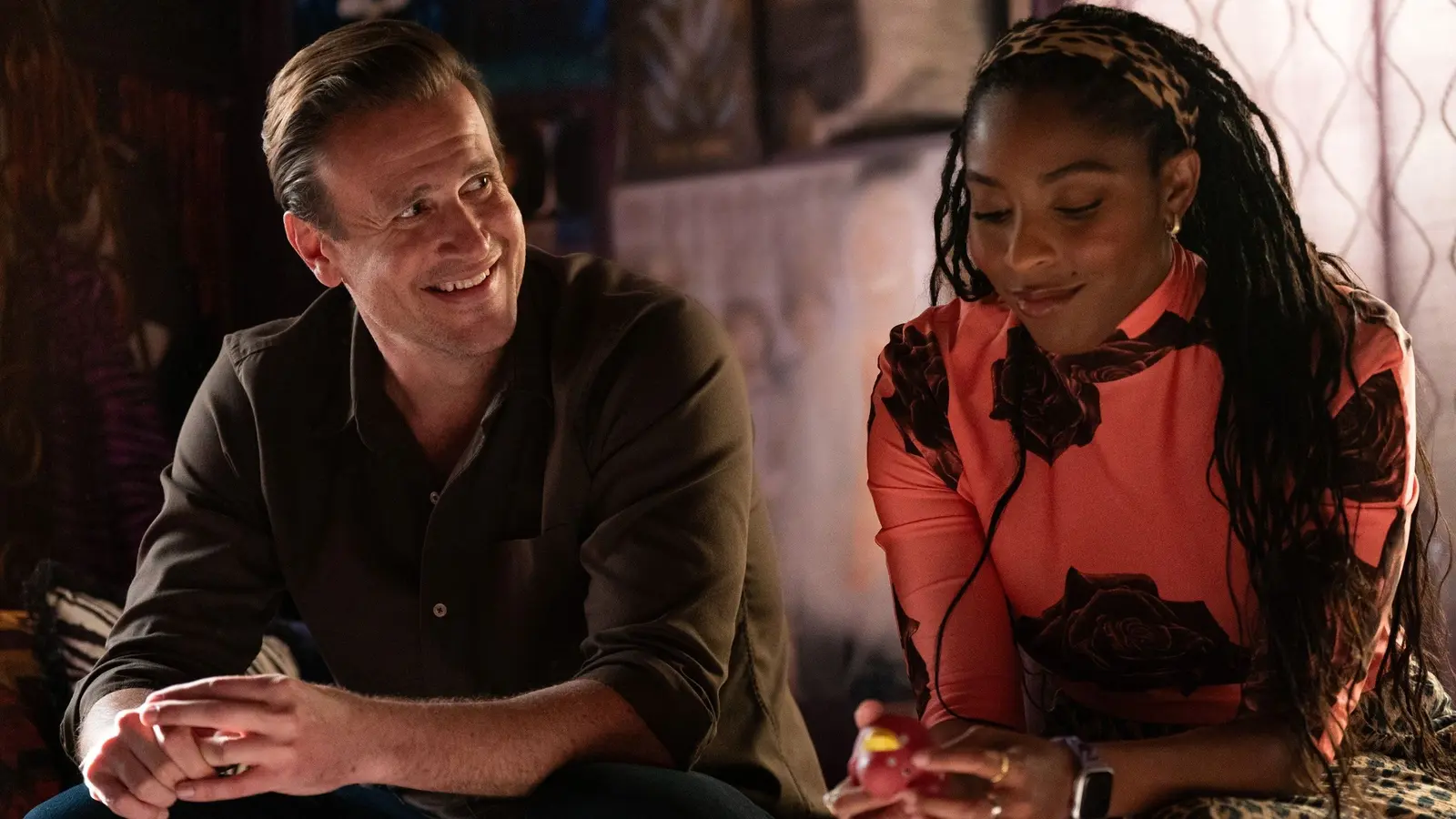 Apple TV's Shrinking Season 4 Marks New Chapter After Season 3 Finale
 Prime Video's High Fantasy Series Delivers Two of Genre's Best Battles
 Netflix’s „East of Eden” Ranks Third Globally with 782 Million Minutes Watched
 James Gunn Shares Update on Mister Miracle Animated Series Cameo Potential
The interview delves into Steinem’s decades-long fight for gender equality, touching on pivotal moments from the women’s liberation movement to modern challenges in reproductive rights and media representation. She speaks candidly about the evolution of feminism, emphasizing that progress requires both collective action and individual courage. Steinem recalls early struggles to be taken seriously in male-dominated spaces and how sharing personal experiences helped build solidarity among women. Her tone is reflective yet urgent, framing storytelling not as nostalgia but as a tool for ongoing change. She specifically urges younger generations to document their truths, arguing that history is shaped by those who dare to tell it.
How Can Storytelling Drive Social Change Today?
When Steinem said, „Please tell your own story,” she was calling for authenticity in the face of systems that often erase or distort marginalized voices. She explained that when women, LGBTQ+ individuals, and people of color share their lived experiences, they challenge dominant narratives that have historically excluded them. This act, she argued, is not merely personal but political—it reshapes public understanding and fuels movements. Steinem noted that her own memoir and essays began as attempts to make sense of her life, only to become resources for others seeking validation and direction. She warned against letting others define one’s identity, stressing that self-narration is an act of reclaiming power.
Steinem believed storytelling remains one of the most accessible forms of activism, especially in an age of digital media and rapid information sharing. She pointed to social media as a double-edged sword—capable of amplifying harmful stereotypes but also enabling grassroots voices to reach global audiences instantly. The key, she said, lies in intentionality: using platforms not just for visibility but for connection and education. Steinem encouraged activists to pair personal accounts with concrete action, such as voting, volunteering, or supporting policy reform. She expressed hope that younger generations, armed with both technology and inherited wisdom, could advance equality in ways previous activists could only imagine.
When was the interview with Gloria Steinem recorded? The conversation was filmed in February 2025, several months before her passing in September 2025.
Frequently Asked Questions
Why was the episode released on the day of her death? Netflix’s Famous Last Words series follows a tradition of releasing episodes on the date a subject dies, as a final tribute and opportunity to hear their last reflections.
What was the main message Steinem wanted to convey? She urged people, especially those from marginalized backgrounds, to tell their own stories as a means of resistance, self-empowerment, and social change.