What the Museum Reveals About Lucas’s Creative Priorities
The Lucas Museum of Narrative Art has opened in Los Angeles, offering insights into George Lucas’s creative vision and his perspective on the Star Wars franchise under Disney’s stewardship. Located in Exposition Park, the museum debuted in October 2026 after years of development, presenting a curated collection of artwork, props, and personal archives from Lucas’s career. While not explicitly critical, the exhibits suggest a nuanced view of how the saga has evolved since Disney acquired Lucasfilm in 2012.
Culture picks
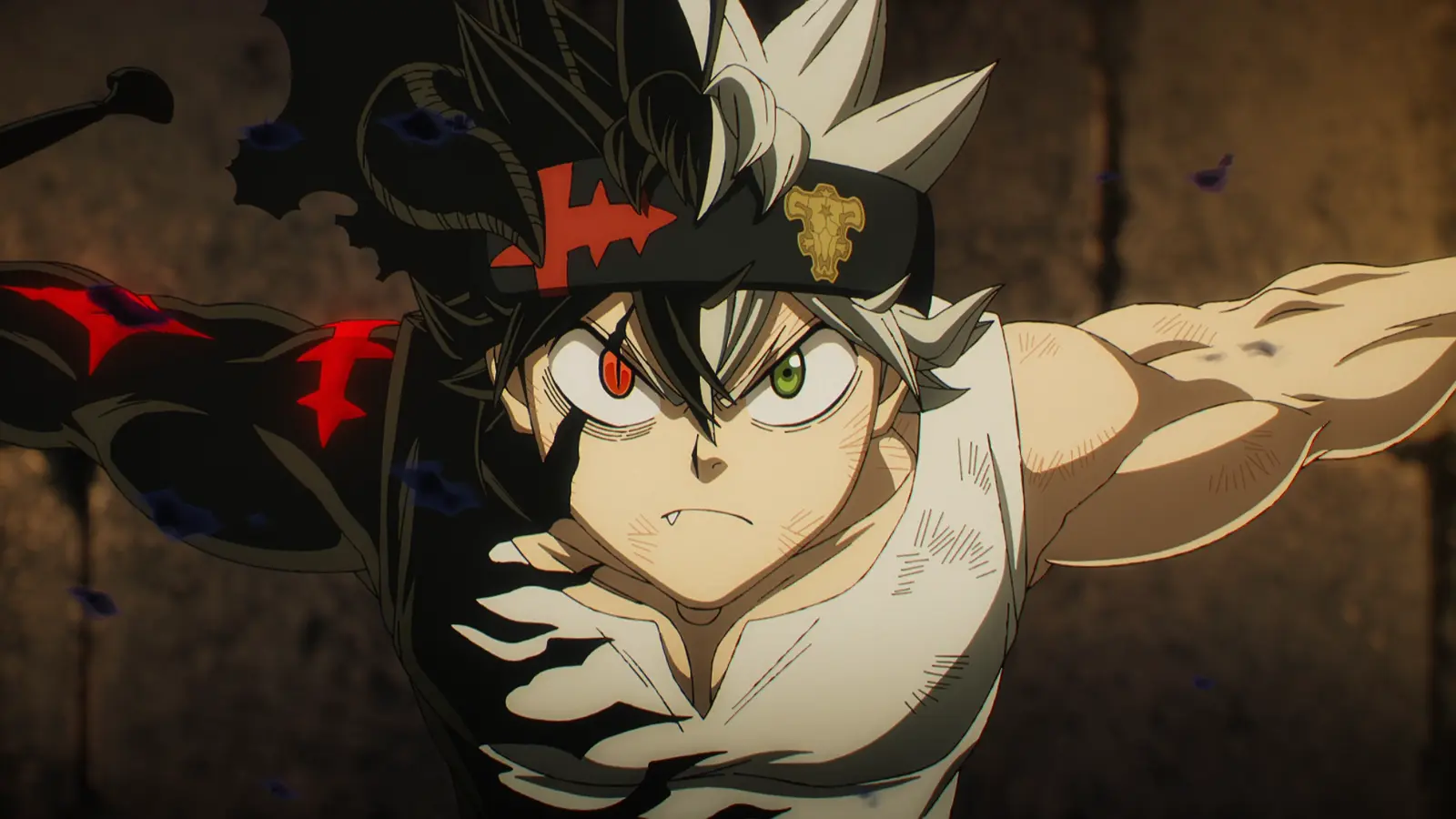 Black Clover Returns With Strong Start to Season 2
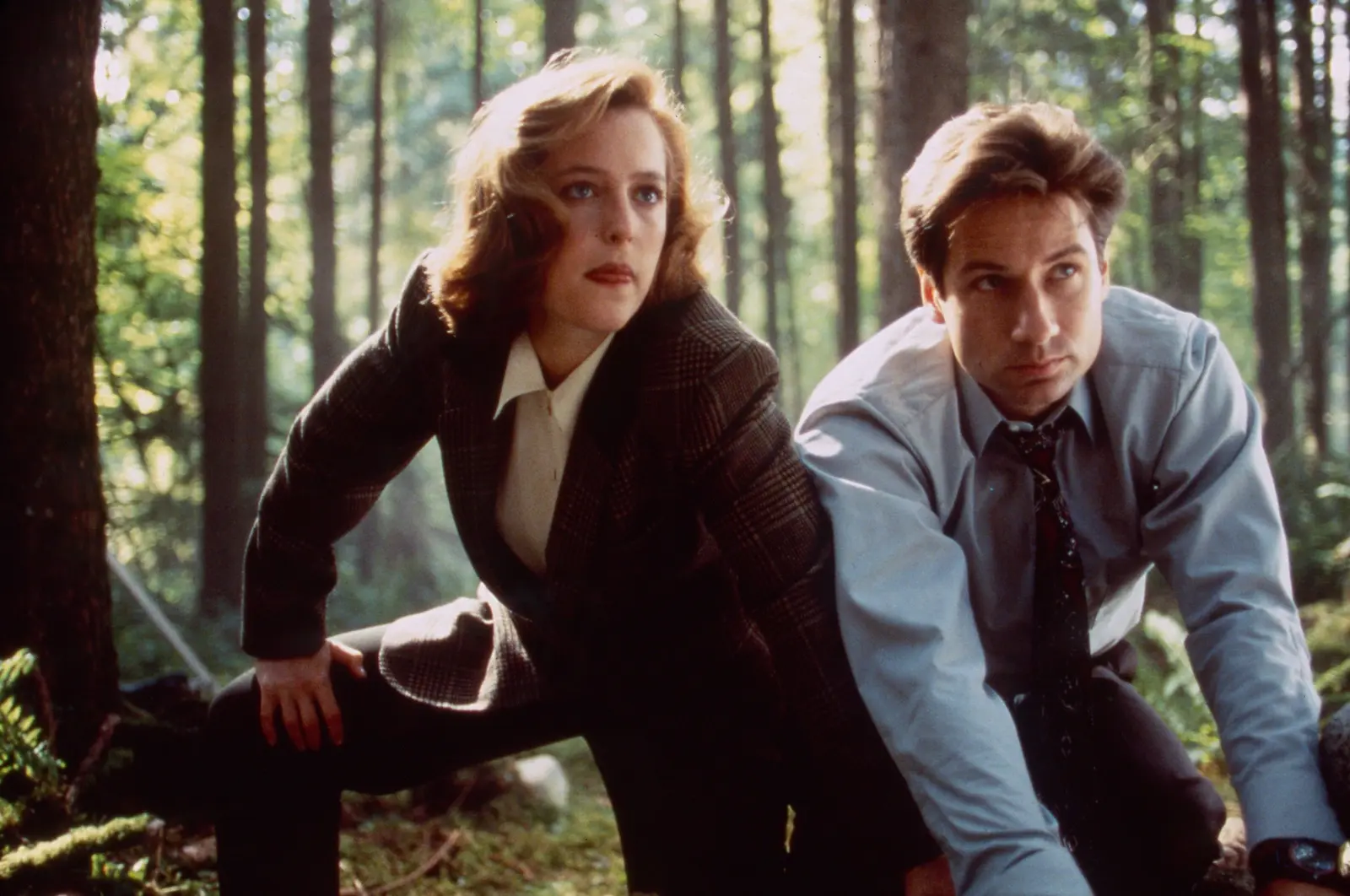 X‑Files Reaches Peak With Near‑Perfect Three‑Part Thriller
 Dakota Johnson and Turnstile to Appear on Saturday Night Live This Weekend
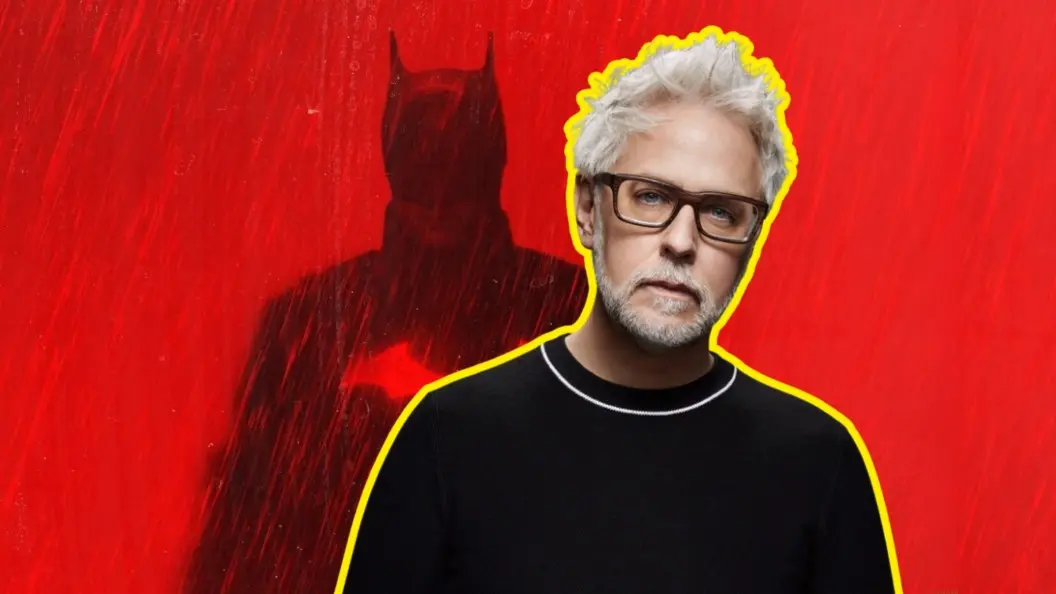 DC Batman Sequel Faces Further Delays Amid Franchise Expansion
Lucas has remained largely private about his feelings toward the post-acquisition Star Wars films and series, choosing instead to let his work speak through the museum’s narrative focus. The institution emphasizes storytelling across mediums, featuring original concept art from the 1970s trilogy alongside pieces that highlight mythological influences and visual innovation. Though Disney-era content is not prominently displayed, the museum’s broader mission reflects Lucas’s enduring commitment to imaginative world-building and artistic legacy, separate from current franchise direction.
The Lucas Museum places strong emphasis on the artistic process, showcasing sketches, storyboards, and experimental films that reveal Lucas’s deep engagement with visual language and narrative structure. Exhibits include early designs for Star Wars characters and vehicles, demonstrating how mythologist Joseph Campbell’s work shaped the original saga’s archetypal journey. Curators note that Lucas wanted the museum to inspire future creators by highlighting the discipline behind imaginative storytelling, rather than celebrating commercial success alone.
Does the Museum Signal a Quiet Disapproval?
While the museum does not directly address Disney’s handling of Star Wars, its focus on Lucas’s independent vision invites interpretation. Some observers see the separation between Lucas’s personal legacy and the current franchise as telling, especially given his limited involvement in recent projects. The museum’s tone suggests pride in the original films’ cultural impact, while leaving room for reflection on how the story has been continued by others.
Although Lucas has not publicly criticized Disney’s Star Wars output, the museum’s content implies a preference for the creative autonomy he enjoyed during the original and prequel trilogies. By centering his own artistic journey—unmediated by corporate oversight—the museum subtly underscores the value he places on authorial control in storytelling. Lucas has occasionally remarked in past interviews that he envisioned Star Wars as a singular artistic statement, a view that contrasts with the franchise’s current model of expansive, ongoing expansion.
The museum’s narrative does not condemn Disney’s approach but instead offers an alternative vision: one where storytelling is rooted in personal expression and artistic exploration. This distinction may resonate with fans who feel the post-2015 era lacks the cohesive vision of the first six films. Ultimately, the museum serves as both a retrospective and a quiet assertion of Lucas’s enduring ideals about what makes a story meaningful.
Frequently Asked Questions
What is the Lucas Museum of Narrative Art? The Lucas Museum of Narrative Art is a cultural institution in Los Angeles dedicated to the art of storytelling through visual media, featuring works from George Lucas’s personal collection and broader artistic traditions.
Does the museum include Disney-era Star Wars content? No, the museum focuses on Lucas’s original works and influences, with minimal representation of Star Wars material created after Disney’s acquisition of Lucasfilm in 2012.
Why did Lucas create this museum? Lucas founded the museum to celebrate narrative art across cultures and time periods, aiming to inspire future artists and filmmakers by showcasing the creative process behind imaginative storytelling.