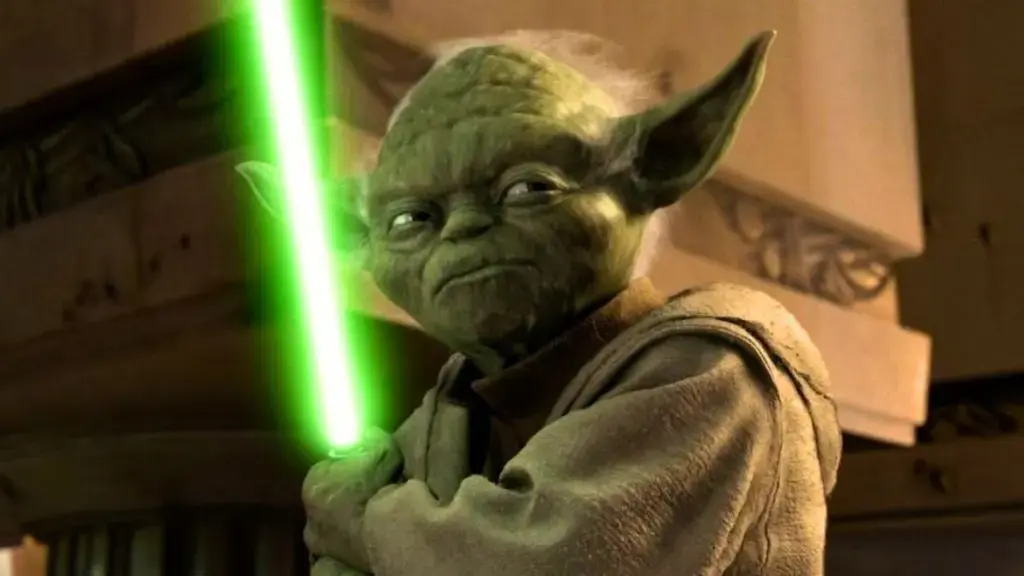
Restoring the Director's Vision Through Post-Release Editing
George Lucas has publicly defended the significant alterations made to the original Star Wars trilogy. The filmmaker explained that he refined his earlier works after their initial theatrical releases concluded. This process involved substantial visual and narrative adjustments. Lucas argued that directors rarely get final say on their projects. He noted that studios often strip away elements before a film feels truly complete. Consequently, he viewed post-release editing as a chance for creative restoration.
Culture picks
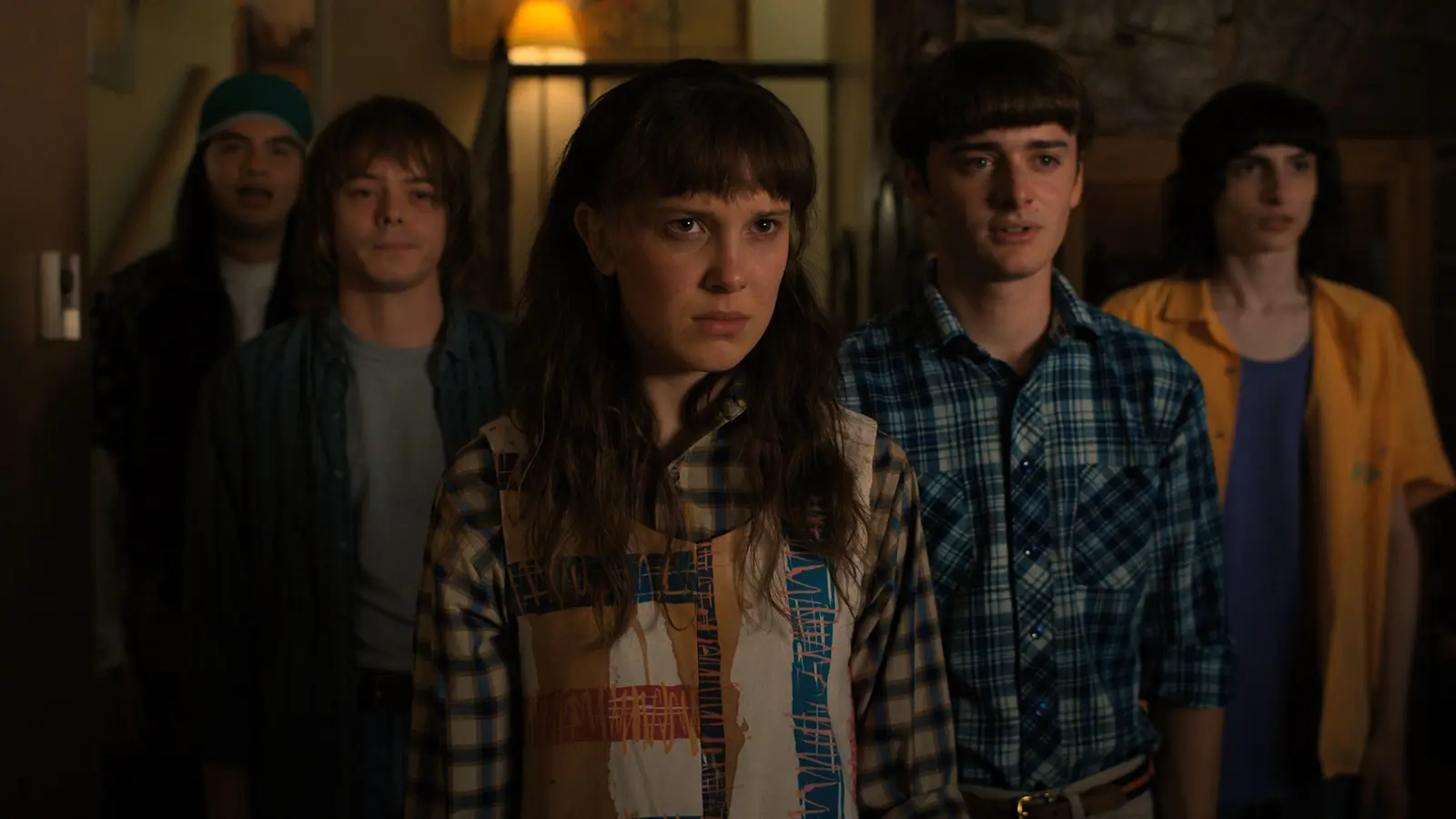 The Expanding Universe of Stranger Things After the Final Season
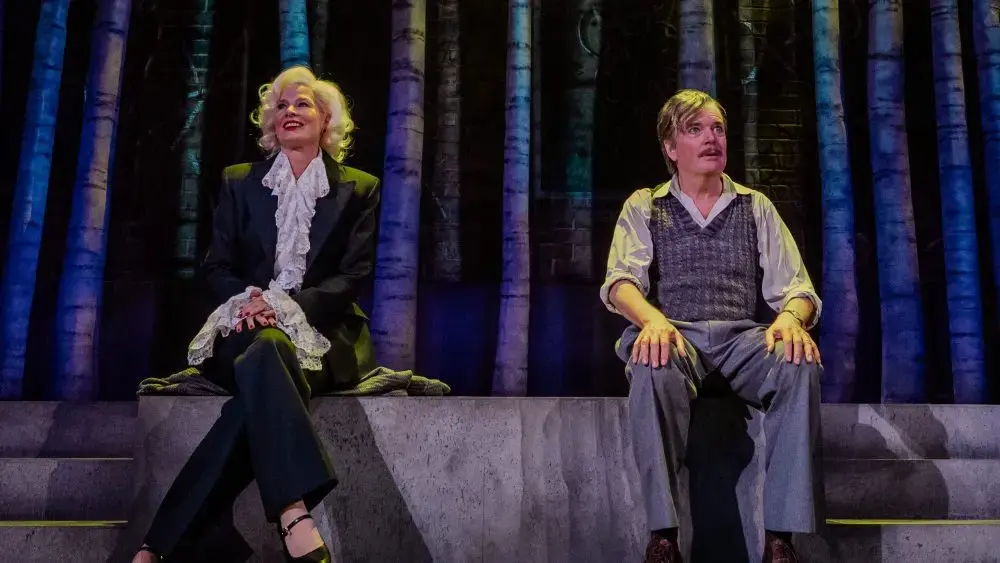 A Dark Lesson in Greed Takes the Stage at Pasadena Playhouse
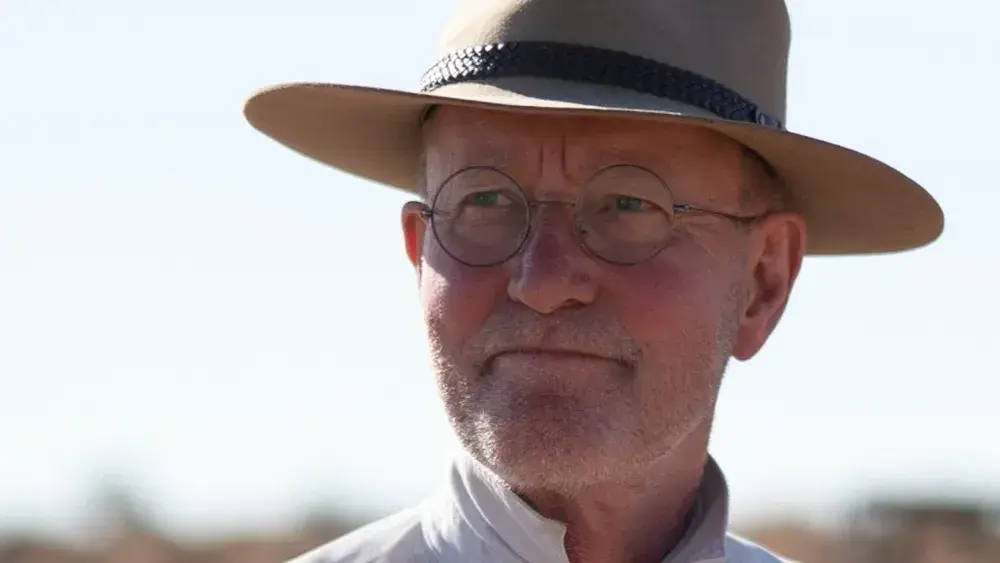 Rolf de Heer to Lead Tokyo Film Festival Jury
 Ciara’s Daughter Sienna Predicted Family’s Fifth Pregnancy
Lucas emphasized that the changes were not arbitrary but necessary for artistic integrity. He believed the original cuts suffered from production constraints. By revisiting the material, he could align the films with his original vision. The director acknowledged that audiences had mixed reactions to these updates. Many fans felt the new versions altered the charm of the originals. However, Lucas maintained that the edits improved the storytelling flow. He pointed out that special effects technology had advanced significantly since the 1970s. This allowed for smoother integration of computer-generated imagery. The result was a more cohesive viewing experience for modern audiences.
Why Did Fans React So Strongly to the Changes?
The core argument behind Lucas’s revisions centers on the concept of the director's cut. He explained that films are frequently yankedfrom directors before they consider them finished. This industry practice forces compromises during the initial release window. Lucas used the extended period after the theatrical run to address these gaps. He focused on enhancing visual continuity and character development. The inclusion of CGI was a major point of contention among purists. Critics argued that digital effects replaced practical magic. Lucas countered that the new technology served the story better. It allowed for scenes that were previously impossible or clunky. He viewed the changes as an evolution rather than a replacement. The goal was to honor the spirit of the original while updating its presentation.
Fan backlash stemmed from a deep emotional connection to the original releases. For many, the 1977 and 1980 films represented a specific cultural moment. Altering that memory felt like rewriting history. Lucas acknowledged this sentiment but stood firm in his decisions. He stated that his primary responsibility was to the art itself. The director did not seek to please every viewer. Instead, he aimed for what he perceived as the ideal version. This stance highlights a common tension in cinema between preservation and progression. Lucas’s defense suggests that films are living documents. They can be improved upon as technology and understanding evolve. His approach challenges the notion that the first cut is always the best.
The legacy of these edits continues to influence how filmmakers view post-production. Lucas’s work set a precedent for revisiting classic films. It demonstrated that directors could reclaim creative control later in a project's life. While debates persist, the revised trilies remain widely watched. The controversy underscores the complex relationship between creators and their audiences. Lucas’s defense stands as a testament to his commitment to his artistic goals. Future generations may view these changes as standard practice. For now, they remain a defining aspect of the Star Wars saga.
Frequently Asked Questions
Why did George Lucas change the original Star Wars films? Lucas believed the original cuts were incomplete due to studio interference. He used post-release time to restore his intended vision and improve visual quality.
Did Lucas use CGI to replace all practical effects? No, he integrated CGI to enhance existing scenes and fix technical limitations. The goal was to blend old and new techniques seamlessly for a better narrative flow.