How the Helmet Controversy Became a Running Gag
In September 2026, Disney+ released a new Star Wars project that directly references and humorously addresses a long-standing fan criticism from The Mandalorian's early seasons. The release features Din Djarin, portrayed by Pedro Pascal, smiling without his helmet while holding Grogu, a visual callback to a controversial moment from the show's debut. The scene, shared via Disney+'s official channels, quickly gained attention for its self-aware tone. Fans and critics noted the deliberate nod to past debates about Mandalorian culture and helmet-wearing traditions. The timing coincides with the fifth anniversary of The Mandalorian's premiere, which first aired in 2019. The new content appears to be part of a broader effort to engage with audience feedback through humor and reflection.
Culture picks
 The Vampire Diaries: Most Rewarding Character Journeys
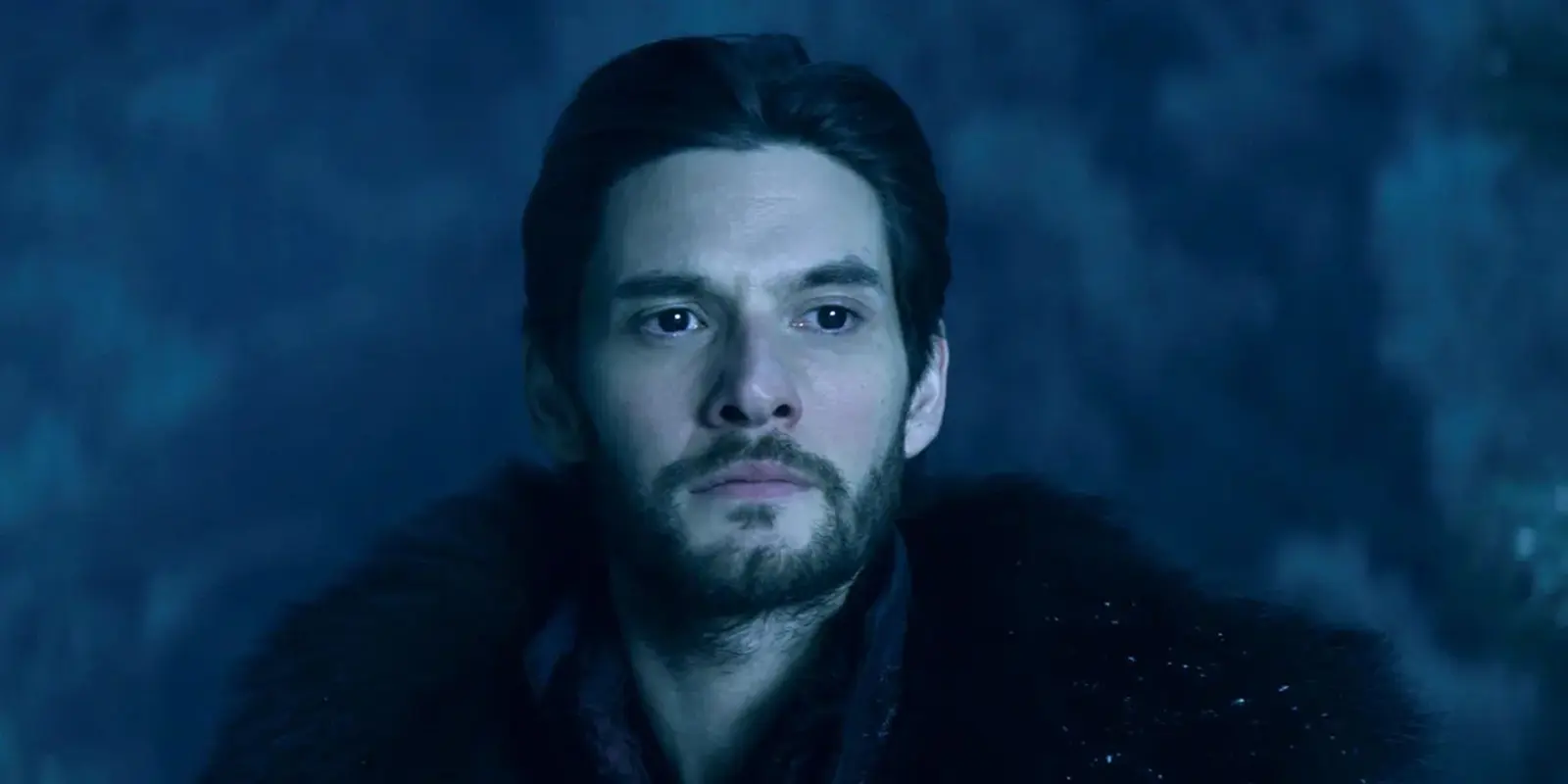 Netflix Officially Ends Shadow and Bone Franchise After Cancellation
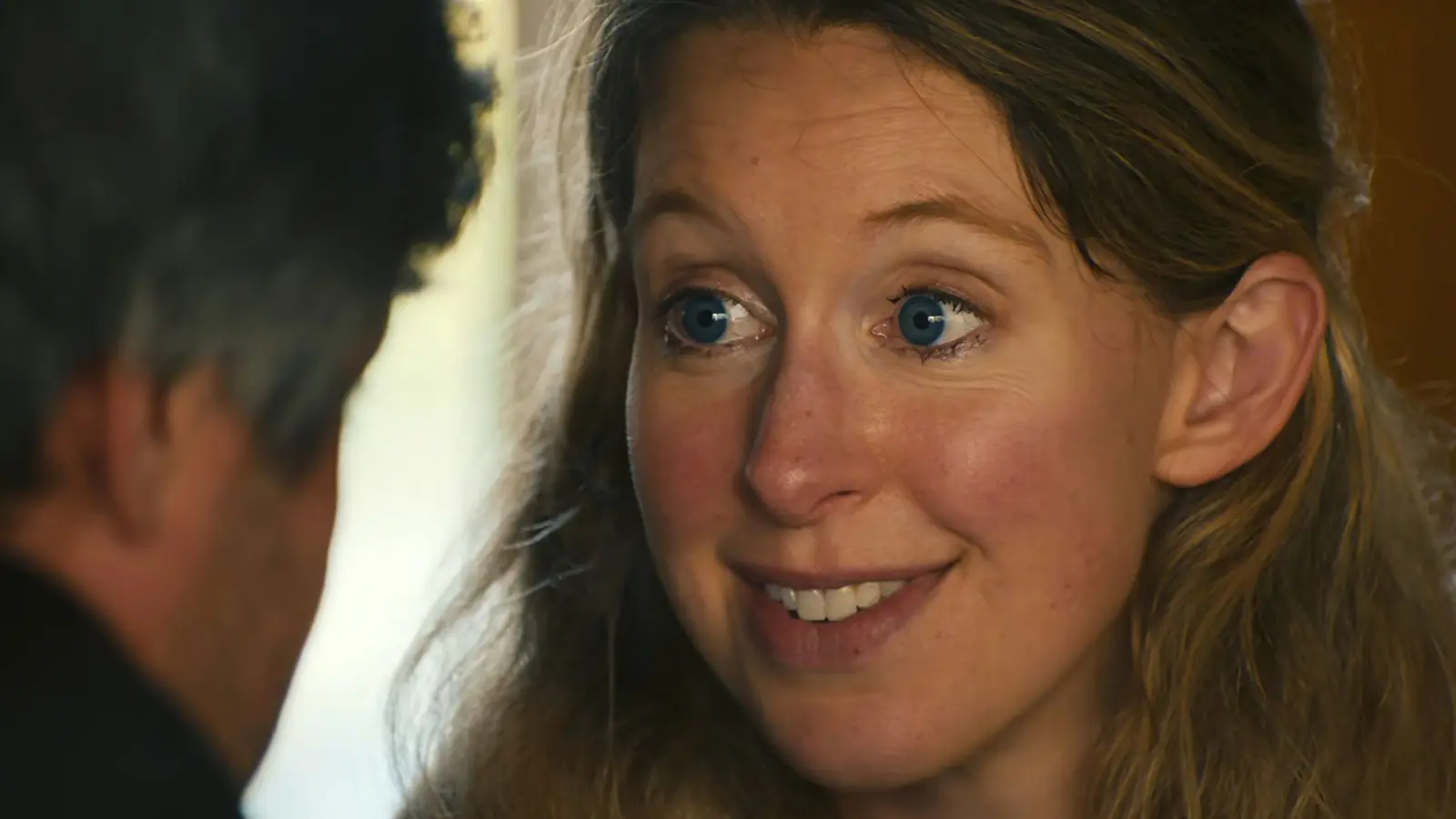 The Documentary About Elizabeth Holmes That Failed to Find Its Audience
 Nicolas Cage Returns as Spider-Noir in HBO Series
The original Mandalorian series sparked intense discussion when Din Djarin removed his helmet in front of others, violating a core tenet of Mandalorian creed as established in Star Wars lore. This moment, occurring in the first season, led to widespread debate among fans about character consistency and cultural authenticity. Over time, the incident evolved into a meme within the Star Wars community, often referenced in fan art and social media. The 2026 release leans into this history by showing Din Djarin smiling openly with Grogu, a clear visual contrast to his earlier stoic adherence to the creed. By presenting the moment lightheartedly, the creators acknowledge the past controversy while showing character growth. The approach suggests a willingness to laugh at earlier narrative choices without undermining the show's legacy.
What Does This Mean for Future Star Wars Storytelling?
This self-referential moment signals a shift in how Star Wars franchises handle fan criticism, opting for transparency and humor over defensiveness. It reflects a maturing relationship between creators and audiences, where past missteps can be revisited as part of the narrative journey. The move may encourage more open dialogue about creative decisions in future projects, particularly those involving deeply rooted cultural elements. By addressing the helmet rule with levity, the franchise demonstrates confidence in its ability to evolve while honoring its roots. This approach could pave the way for more nuanced explorations of tradition and identity in upcoming Star Wars tales. Ultimately, it shows that even long-standing controversies can become opportunities for connection and reflection.
Why did Din Djarin removing his helmet cause such a debate among fans? The moment violated a long-established Mandalorian tradition that members never remove their helmets in front of others, which fans viewed as a breach of cultural integrity in the show's first season.
Frequently Asked Questions
Is the new Disney+ release suggesting Din Djarin has changed his beliefs about the helmet rule? Not directly; the scene appears to be a playful acknowledgment of past controversy rather than a confirmation that the character has abandoned the creed, leaving room for interpretation.
How might this approach affect how future Star Wars stories handle fan feedback? It indicates a willingness to engage with criticism through humor and self-awareness, potentially fostering a more collaborative dynamic between creators and the audience moving forward.