From Episodic to Anthology: Why the Shift Matters
A flagship science‑fiction series on Netflix, known for its ambitious world‑building, will return next month with a new format following the conclusion of its first season. The show, which has drawn praise for its visual effects and complex narrative, will shift from a traditional episodic structure to a more serialized, anthology‑style presentation in its upcoming run.
Culture picks
 The Real Ghostbusters’ Janine Melnitz Was More Than Just a Secretary
 DC Studios Casts Animated Mister Miracle Series
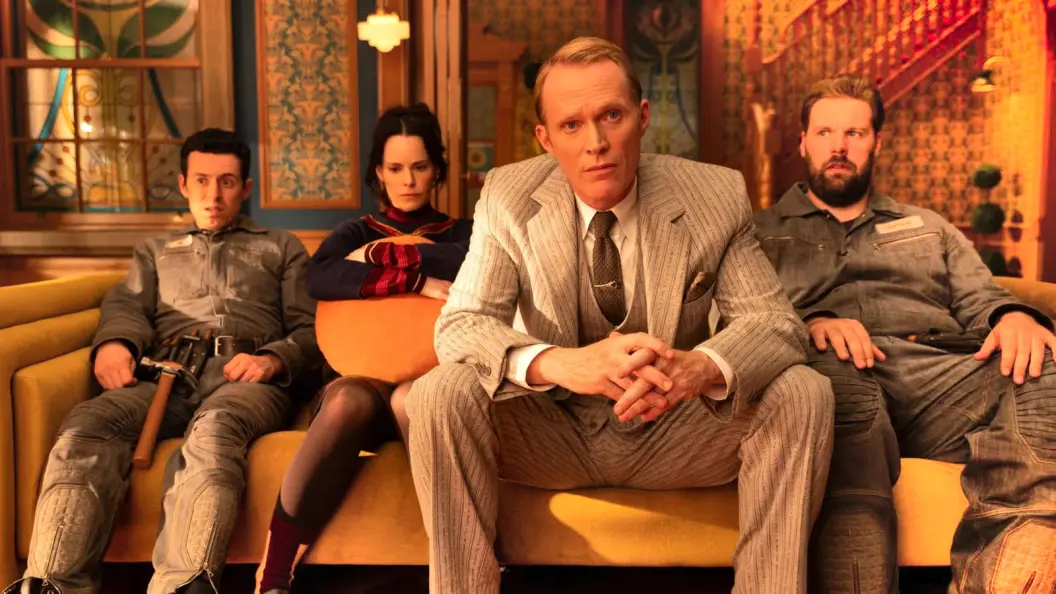 Marvel Studios' VisionQuest debuts on Disney+
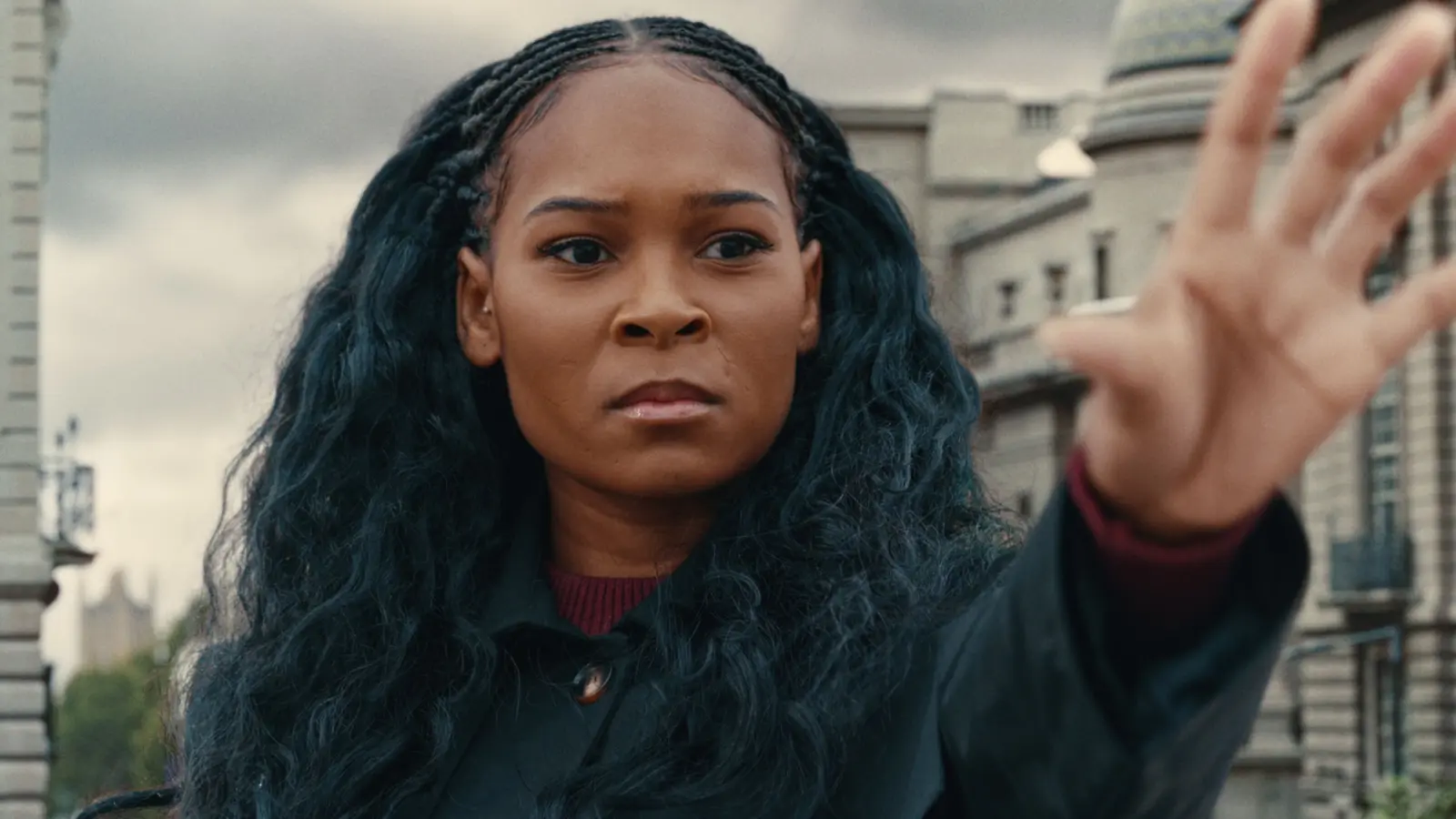 Netflix Sci-Fi Hit Supacell Becomes Platform’s Most Popular Genre Series
The change comes after the initial season, which aired in late 2025, received mixed reactions from fans and critics alike. Viewers appreciated the expansive lore but felt the pacing was uneven, and some episodes seemed to lack clear stakes. In response, the production team announced a revised approach that will focus on tighter storytelling and deeper character arcs.
How the New Format Will Be Structured
Netflix’s decision to restructure the series reflects a broader trend in streaming content, where platforms experiment with hybrid formats to keep audiences engaged. By adopting an anthology framework, the creators aim to explore different facets of the same universe in each episode, allowing for varied tones and storytelling techniques. This approach also gives writers more freedom to tackle specific themes without being constrained by a linear plot.
Executive producer Maria Lopez explained that the new format will enable the show to „delve into the cultural and moral questions that arise in a world where humanity’s reach extends beyond Earth.” She added that the anthology style will help maintain narrative freshness and give actors the chance to inhabit multiple roles across episodes. The shift is expected to streamline production schedules and reduce the time between releases, a factor that has become increasingly important in the fast‑paced streaming market.
Will Fans Embrace the Change?
The revamped series will feature a rotating cast of protagonists, each episode focusing on a distinct story thread that ties back to the central mythology. The first episode of the new season is slated to premiere on November 15, 2026, and will be followed by a weekly release schedule. Each installment will run approximately 45 minutes, shorter than the original 60‑minute format, to accommodate tighter pacing.
According to the show’s writers, the anthology approach will allow for deeper exploration of side characters who were only briefly introduced in the first season. This will also provide a platform for emerging talent, both in front of and behind the camera. Critics have noted that such a structure could attract a broader audience, as viewers can jump into any episode without needing to follow a long‑term storyline.
The question of audience reception is a key concern for the creators. Early feedback from fan forums has been cautiously optimistic, with many expressing enthusiasm for the promise of more focused storytelling. However, some long‑time viewers worry that the lack of a continuous narrative might dilute the emotional impact of the series.
Frequently Asked Questions
Industry analysts predict that the new format could set a precedent for other sci‑fi shows on streaming platforms. If successful, it may encourage producers to experiment with hybrid storytelling models that blend episodic and serialized elements. The shift also positions the series as a potential contender for upcoming awards, as the anthology format has proven successful in other critically acclaimed shows.
Q: When can viewers expect the first episode? A: The premiere is scheduled for November 15, 2026, with weekly releases thereafter.