How Do the Easter Eggs Connect to Vision’s Comic Book Origins?
Marvel Studios' VisionQuest premiered its first two episodes on October 14, 2026, introducing fans to a reimagined Paul Bettany-led series that blends surreal storytelling with deep-cut references. The show, set in a fragmented reality following the events of WandaVision, immediately signals its intent to reward attentive viewers with layered nods to Marvel comics, cinematic history, and obscure character lore. Early screenings have sparked intense fan analysis as audiences scour each frame for hidden details.
Culture picks
 The Real Ghostbusters’ Janine Melnitz Was More Than Just a Secretary
 DC Studios Casts Animated Mister Miracle Series
 Marvel Studios' VisionQuest debuts on Disney+
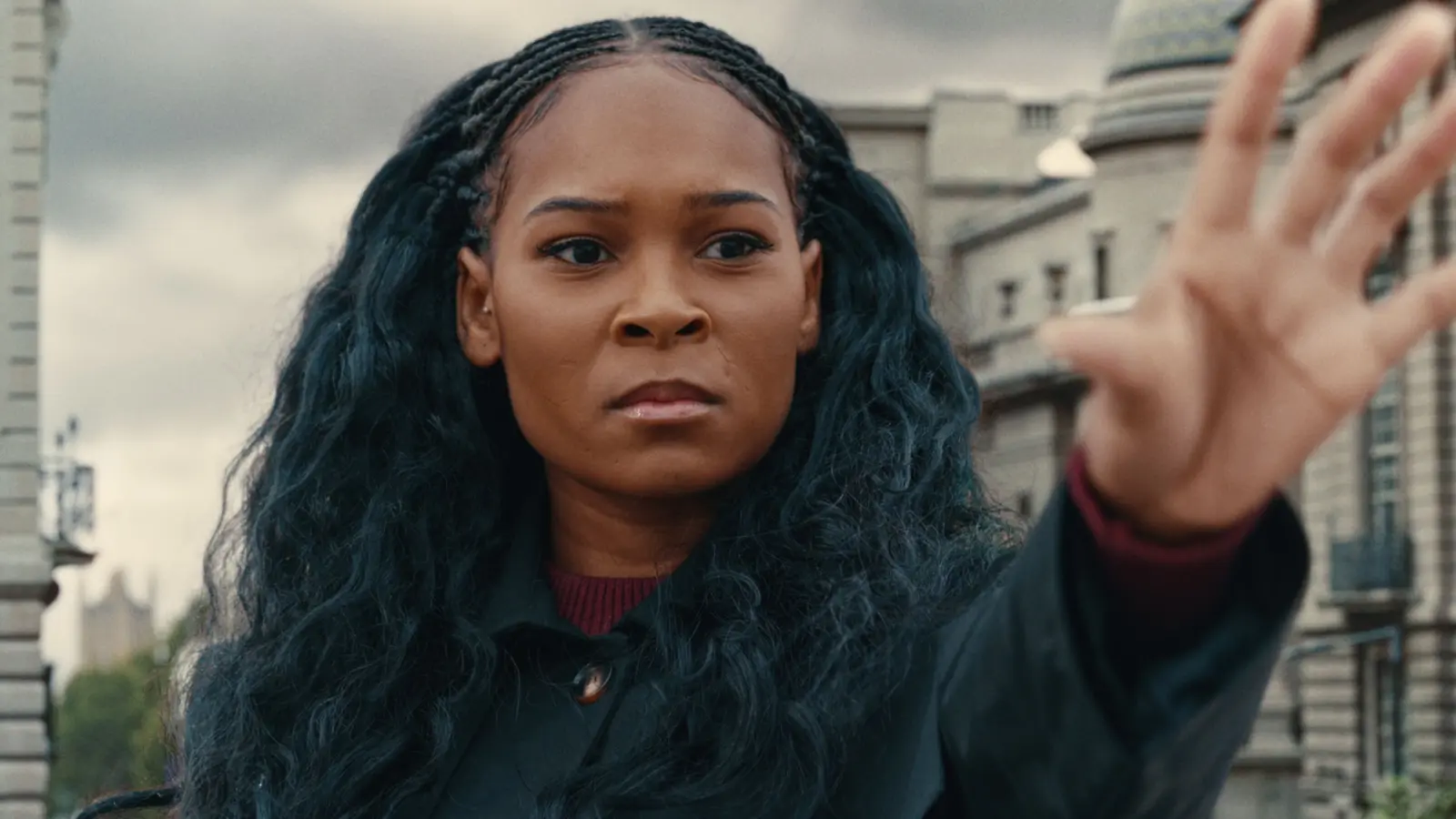 Netflix Sci-Fi Hit Supacell Becomes Platform’s Most Popular Genre Series
The episodes feature Vision navigating a dreamlike landscape where reality shifts with each scene, a visual metaphor for his fragmented identity. Director Kevin Erdmann, who has covered superhero media for Screen Rant since 2019, noted in his review that the series deliberately embeds over 40 Easter eggs ranging from classic comic book covers to subtle MCU callbacks. One prominent example includes a background billboard displaying the logo of the fictional company Stark Industries, rendered in a 1970s advertising style that mirrors the aesthetic of Agent Carter. Another scene shows Vision’s hat resting on a chair beside a copy of The Vision and the Scarlet Witch #1, directly referencing the 1982 limited series that explored his humanity.
What Role Does the Hat Play in the Series’ Symbolism?
Several references tie directly to Vision’s evolution in the comics, particularly his struggle to understand emotion and morality. A fleeting shot of a playground features children playing with a toy version of the original Human Torch, an homage to Jim Hammond, whose android body served as the foundation for Vision’s creation. Additionally, a recurring musical motif throughout the episodes is a distorted version of the theme from the 1966 Marvel Super Heroes cartoon, the first animated adaptation of Marvel characters. These choices suggest VisionQuest is not only examining his past but questioning what defines a synthetic soul.
Vision’s signature hat appears repeatedly in the first two episodes, often removed or misplaced during moments of emotional vulnerability. In one scene, he places it gently on a windowsill while watching rain fall, a gesture interpreted by fans as a symbolic shedding of his artificial persona. The hat, first introduced in WandaVision as a nod to his sitcom-era disguise, now functions as a recurring motif representing his quest for authenticity. Bettany’s performance emphasizes subtle shifts in posture and expression whenever the hat is absent, suggesting it serves as both a shield and a burden.
How many Easter eggs were confirmed in the first two episodes? Marvel has not released an official count, but early analyses by fan sites and critics have identified over 40 distinct references spanning comics, television, and film history within the opening episodes.
Frequently Asked Questions
Is the hat meant to represent Vision’s humanity? While not explicitly stated, the hat’s recurring presence during introspective moments suggests it symbolizes his connection to human experiences, particularly those explored in his comic book arcs where he sought to understand emotions like grief and joy.
Will future episodes include more obscure Marvel references? Given the density of allusions in the premiere, showrunners have indicated that VisionQuest will continue to mine deep-cut Marvel history, with potential nods to forgotten characters and alternate timeline stories expected in upcoming installments.