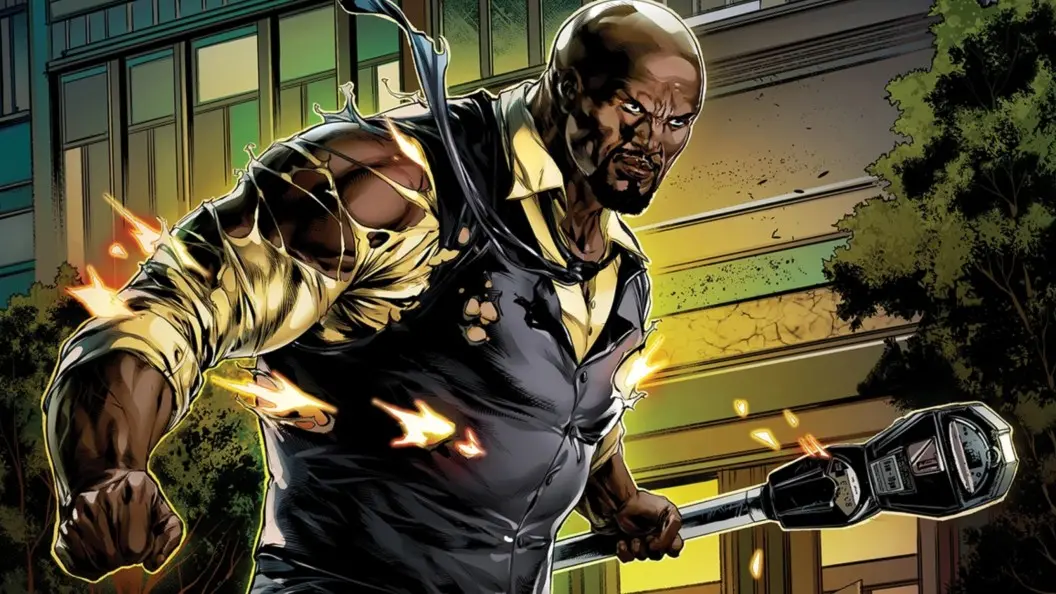
After being framed and subjected to illegal trials that gave him impenetrable
Most fans believe the 2010s were the golden age for Avengers enthusiasts, and it's easy to see why. During that decade, the team exploded into global fame through the Marvel Cinematic Universe, turning superheroes into everyday conversation. Yet another perspective argues that the true peak for certain heroes came not from team glory, but from personal journeys rooted in vengeance and resilience. Luke Cage exemplifies this idea, as his solo rise was fueled not by team-ups, but by a deeply personal quest for justice after being wronged. His story resonated because it grounded superhuman power in real-world struggles, making him relatable in a way that team-centric narratives sometimes miss. The Power of Personal Vengeance in Luke Cage's Origin Luke Cage’s transformation from wronged prisoner to unbreakable hero began with betrayal and experimentation, not a call to assemble.
Culture picks
 Madonna Joins Viral Trend by Featuring Adéla’s „Nicole Kidman” on TikTok
 Barry Rebounds: Streaming Surge Three Years After Final Season
 VisionQuest Revives the Vision for a New MCU Chapter
 Percy Jackson Series Shifts Disney+ Power to Netflix
After being framed and subjected to illegal trials that gave him impenetrable skin, his path was defined by clearing his name and protecting his community. This focus on personal redemption, rather than cosmic threats, allowed his narrative to explore themes of systemic injustice and loyalty to neighborhood over fame. His strength wasn’t just physical—it was moral, forged in the fires of being discarded by the system that should have protected him. Why Luke Cage’s Solo Journey Still Matters Today His relevance endures because his battles mirror ongoing societal issues—police brutality, economic inequality, and the struggle for dignity in marginalized communities. Unlike gods or billionaires in suits, Luke’s power is meaningless without purpose, and his purpose has always been rooted in doing right by the people who raised him. This makes him uniquely positioned to address modern anxieties in ways that feel earned, not escapist.
A return to comics or the MCU wouldn’t just revive a character—it would reaffirm that heroism can grow from pain, not just privilege. Frequently Asked Questions What made Luke Cage different from other Marvel heroes of the 2010s? Unlike many of his peers who gained fame through team affiliations or inherited wealth, Luke Cage’s heroism emerged from personal trauma and a commitment to his Harlem community, making his journey feel grounded and socially conscious. Could Luke Cage work in today’s MCU? Absolutely. His street-level focus offers a necessary counterbalance to multiversal threats, allowing Marvel to explore real-world consequences of power in a way that feels both urgent and authentic. Is there demand for more Luke Cage stories? Yes.
Fans consistently cite his Netflix series as one of Marvel’s most compelling live-action efforts, and comic readers continue to praise his solo runs for blending action with meaningful social commentary.