The Vision’s Return: A New Identity for an Old Icon
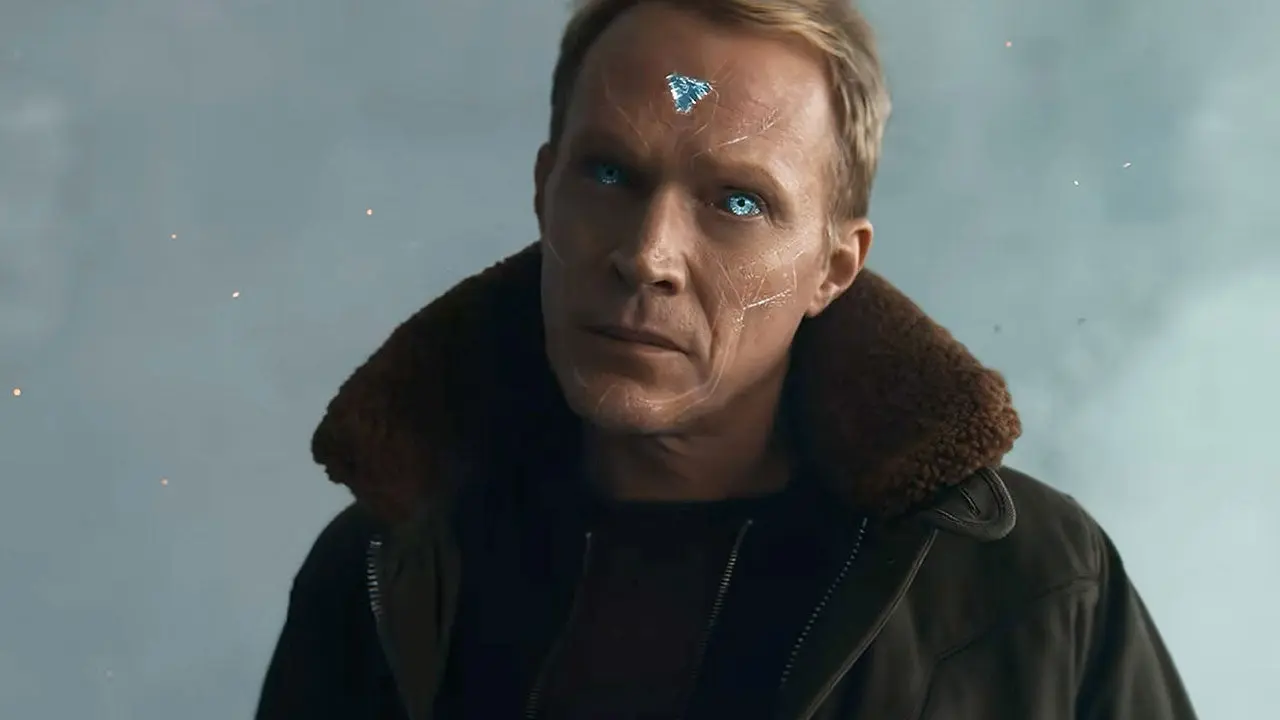
The Disney+ series VisionQuest debuted on October 3, 2026, reintroducing Paul Bettany as the android Vision. The show also features James Spader as Ultron, alongside other MCU AIs like JARVIS and FRIDAY. The series explores the Vision’s legacy and the consequences of his disappearance.
Culture picks
 New Shonen Jump Manga Fixes Long‑Standing Genre Flaw
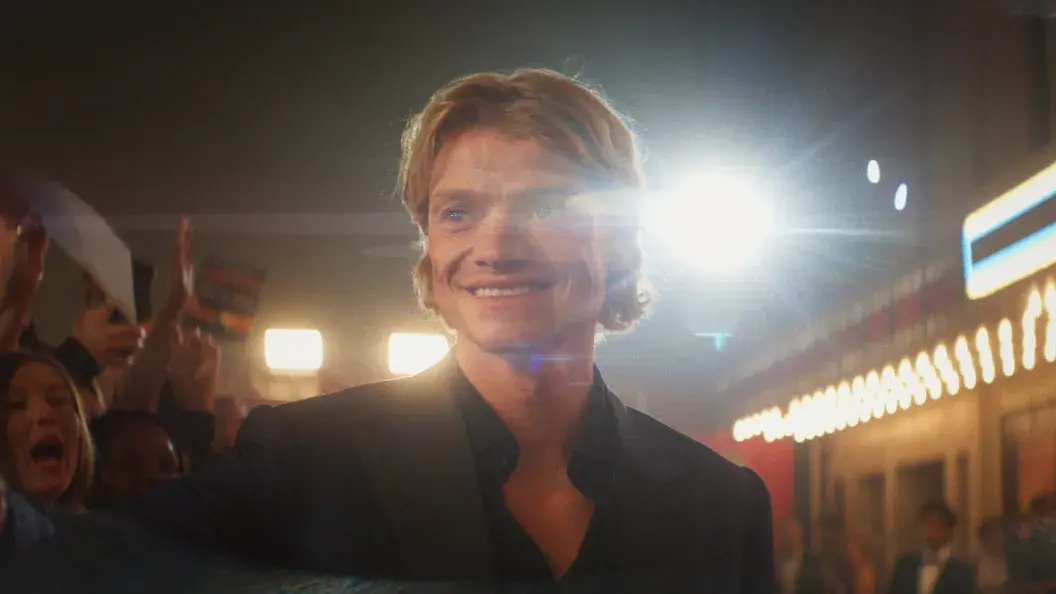 Clayface: DCU’s First R‑Rated Horror Film Set to Shock Gotham
 Prime Video Casts Rising Stars Esther McGregor and Emilio Sakraya as Violet and Xaden in New Romantasy Series
 MAMA Awards 2026 Set to Spotlight K‑Pop Powerhouses in Osaka
The Vision, a synthezoid created by Tony Stark and Bruce Banner, vanished after the events of WandaVision. Five years later, his story continues in VisionQuest, which follows the character’s struggle to regain his identity and purpose in a world that has moved on. The narrative intertwines the Vision’s personal journey with larger MCU themes such as artificial intelligence ethics and the nature of consciousness.
How VisionQuest Shapes the MCU’s Future?
Paul Bettany reprises his role, but the Vision appears in a transformed body, reflecting the advanced technology and new challenges of the MCU’s present timeline. The series introduces a fresh cast of AIs, including the familiar JARVIS, voiced by James D’Arcy, and FRIDAY, adding depth to the universe’s robotic ecosystem. Bettany describes the character’s evolution as „a blend of past memories and new experiences, creating a complex, almost human, perspective.”
James Spader’s Ultron, a long‑time antagonist, serves as a counterpoint to the Vision’s quest for redemption. Ultron’s presence underscores the series’ exploration of AI morality, as the two artificial beings confront their own origins and the consequences of their creators’ ambitions. The show also hints at future MCU storylines, positioning the Vision as a pivotal figure in upcoming cross‑overs.
The series sets a precedent for integrating older characters into new narratives. By revisiting the Vision, the MCU demonstrates that legacy heroes can be reimagined to address contemporary issues such as data privacy, self‑determination, and the role of technology in society. The show’s focus on the Vision’s internal conflict offers a nuanced look at what it means to be sentient, challenging audiences to reconsider the boundaries between human and machine.
Frequently Asked Questions
The Vision’s journey also serves as a narrative bridge between the post‑Infinity War era and the next generation of heroes. The series hints at the emergence of a new team of AIs, potentially leading to fresh story arcs that explore cooperation between human and artificial beings. Fans can expect future MCU projects to build upon the themes introduced in VisionQuest, expanding the universe’s exploration of identity and purpose.
Q: Who voices the Vision in VisionQuest? A: Paul Bettany returns to voice the Vision, portraying a re‑engineered version of the character.