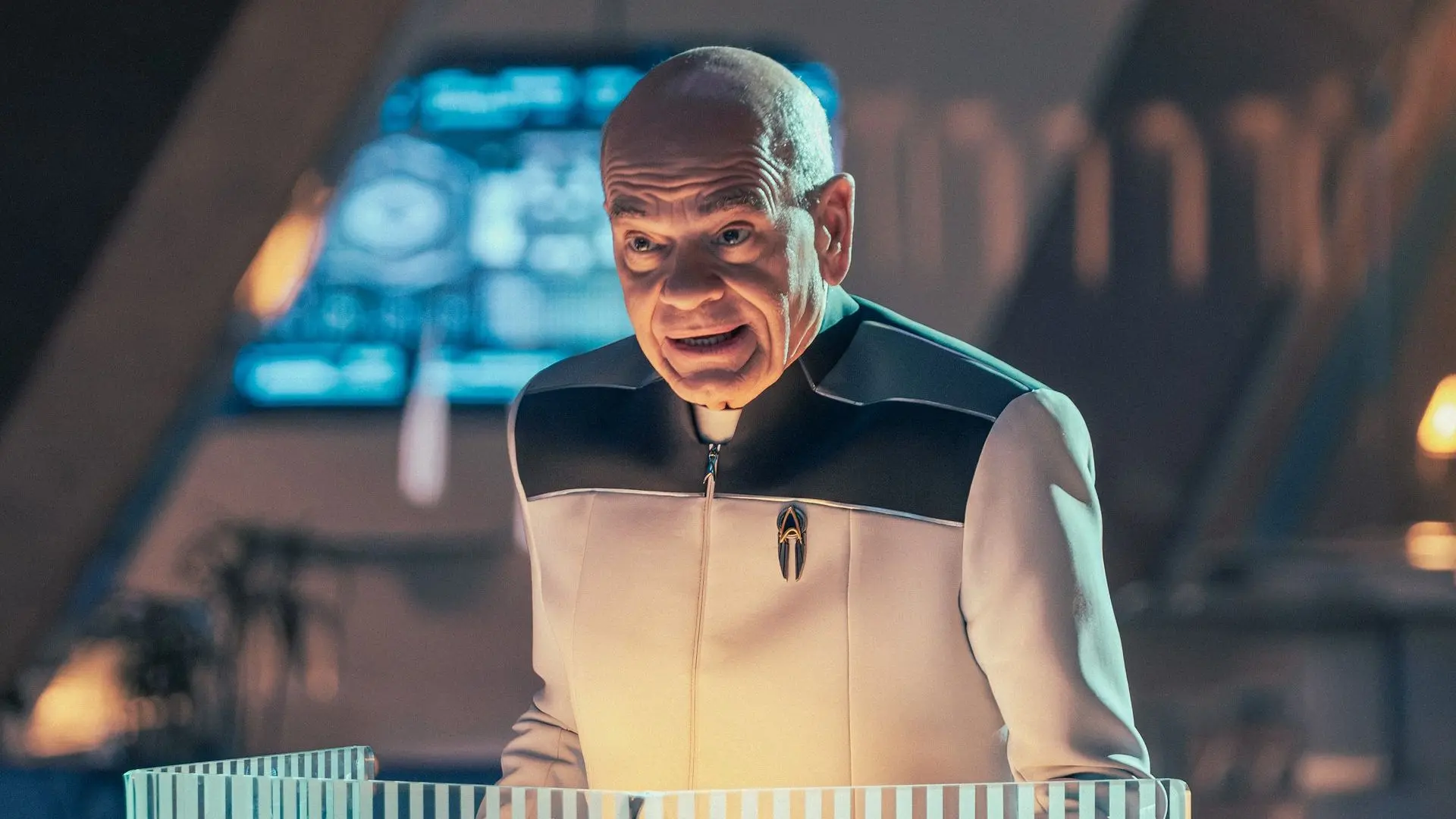
Why This Series Resonated After Rejection
The groundbreaking Star Trek series that was axed after two seasons has made a surprising comeback on streaming platforms, reclaiming a top spot in viewership rankings. Originally discontinued despite critical praise for breaking traditional franchise formulas, the show has found new life through digital distribution, drawing both longtime fans and new audiences eager to experience its innovative storytelling.
Culture picks
 The Vampire Diaries: Most Rewarding Character Journeys
 Netflix Officially Ends Shadow and Bone Franchise After Cancellation
 The Documentary About Elizabeth Holmes That Failed to Find Its Audience
 Nicolas Cage Returns as Spider-Noir in HBO Series
The revival highlights how shifting audience habits and platform algorithms can resurrect culturally significant projects once deemed unsuccessful. Despite its initial cancellation, the series maintained a devoted fanbase that advocated for its return through social media campaigns and petition drives. Paramount+ reportedly reevaluated its performance metrics after noticing sustained engagement in archival viewership, leading to renewed investment in promotional outreach and accessibility.
Critics and viewers alike have pointed to the show’s bold narrative choices as key to its renewed appeal. By departing from established Star Trek tropes—such as hierarchical command structures and episodic reset buttons—the series embraced serialized storytelling, complex character arcs, and contemporary themes like identity, isolation, and ethical ambiguity. These elements, once considered risky, now align closely with modern audience preferences for prestige television.
Could This Change How Networks Judge Success?
Industry analysts note that the show’s early adoption of diverse casting and non-linear plotting anticipated trends that later became mainstream in sci-fi programming. Its return to prominence underscores a broader trend where streaming services reassess library content based on engagement depth rather than just initial launch performance.
The series’ streaming resurgence raises questions about traditional metrics used to evaluate television success. If a show can fail in broadcast or initial streaming windows yet thrive later through word-of-mouth and algorithmic discovery, should cancellation decisions rely more on long-term potential than short-term numbers? Some industry observers suggest platforms may begin incorporating „second-life” projections into renewal models, especially for franchises with enduring cultural value.
This shift could encourage creators to take more creative risks, knowing that initial underperformance doesn’t necessarily doom a project. For Star Trek specifically, the revival reaffirms the franchise’s ability to evolve while maintaining relevance across generations.
Frequently Asked Questions
Why was the original Star Trek series canceled despite critical acclaim? The series was canceled after two seasons due to low initial viewership numbers and high production costs, even though critics praised its innovative approach to storytelling and character development.
What made the show different from other Star Trek entries? It departed from traditional episodic formats by using serialized narratives, featured a more diverse cast, and explored complex themes like identity and moral ambiguity in ways that challenged franchise conventions.
How did the series find success on streaming platforms? Through sustained fan advocacy, algorithmic recommendations, and renewed promotional efforts by Paramount+, the show gained traction among viewers seeking sophisticated sci-fi content, eventually climbing to top streaming rankings.