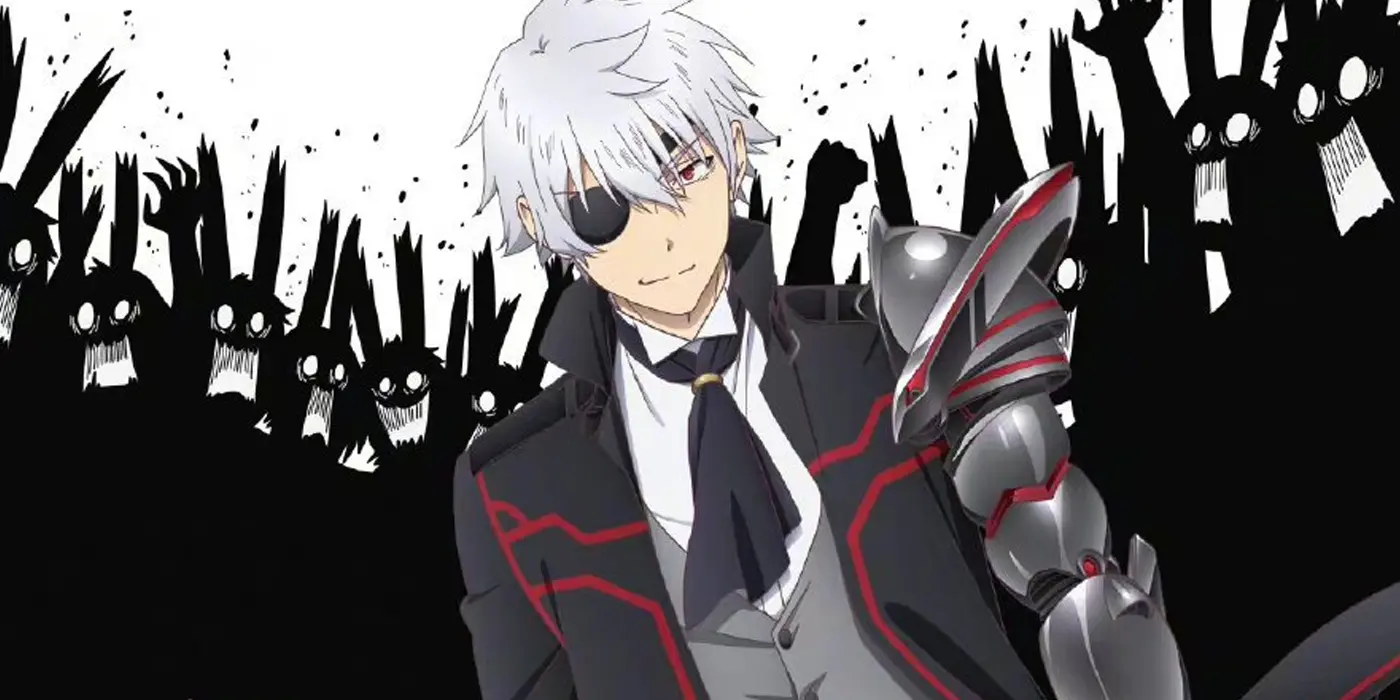
Why Arifureta Deserves a Second Look
Isekai anime often face criticism for repetitive tropes, yet several standout series remain underappreciated despite their creative takes on the genre. These hidden gems offer fresh narratives that challenge common expectations, blending unique worldbuilding with character-driven stories. Released over the past decade, they have quietly gained cult followings without mainstream recognition.
Culture picks
 Andrew Garfield’s Latest Action Feature Debuts on Digital Platforms
 Fall of Freedom Unites Artists in a Nationwide Protest
 Marvel Studios Revisits Avengers: Endgame with New Extended Edition
 Donna Langley reveals strategy behind signing Taylor Sheridan
Many of these overlooked titles subvert typical isekai formulas by focusing on psychological depth, unconventional protagonists, or satirical commentary on the genre itself. Rather than relying solely on power fantasies, they explore themes like identity, morality, and the consequences of escapism. Studios such as White Fox have contributed to this trend, producing visually distinct adaptations that prioritize storytelling over spectacle.
Can a Comedy Save the Isekai Genre?
Hajime Nagumo’s journey in Arifureta begins with betrayal and despair, setting it apart from typical hero arcs. His transformation from bullied student to ruthless survivor involves dark moral choices rarely seen in mainstream isekai. The series balances brutal action with moments of vulnerability, showing how trauma reshapes purpose. White Fox’s animation enhances the grim tone, particularly in the labyrinth sequences where Hajime’s ingenuity shines. Fans often cite the eighth episode as a turning point where the narrative gains emotional weight.
Some underrated isekai anime use humor to critique genre clichés while delivering genuine charm. Konosuba, for instance, mocks overpowered protagonists through a dysfunctional party whose failures drive the plot. Its success lies in blending absurdity with heartfelt character dynamics, proving that satire can coexist with substance. Similarly, The Devil Is a Part-Timer! transplants fantasy tropes into modern Tokyo, using workplace satire to explore cultural displacement. These shows demonstrate that innovation often comes from questioning, not repeating, established formulas.
What makes an isekai anime truly overlooked? It typically lacks major marketing push despite strong writing or innovation, gaining traction through word-of-mouth rather than algorithmic promotion.
Frequently Asked Questions
Are darker isekai series like Arifureta becoming more common? Yes, recent years show a gradual shift toward morally complex protagonists, though lighthearted titles still dominate streaming platforms.
Can comedy-based isekai achieve lasting popularity? Absolutely, as seen with Konosuba’s enduring fanbase and continued relevance through spin-offs and merchandise years after its debut.