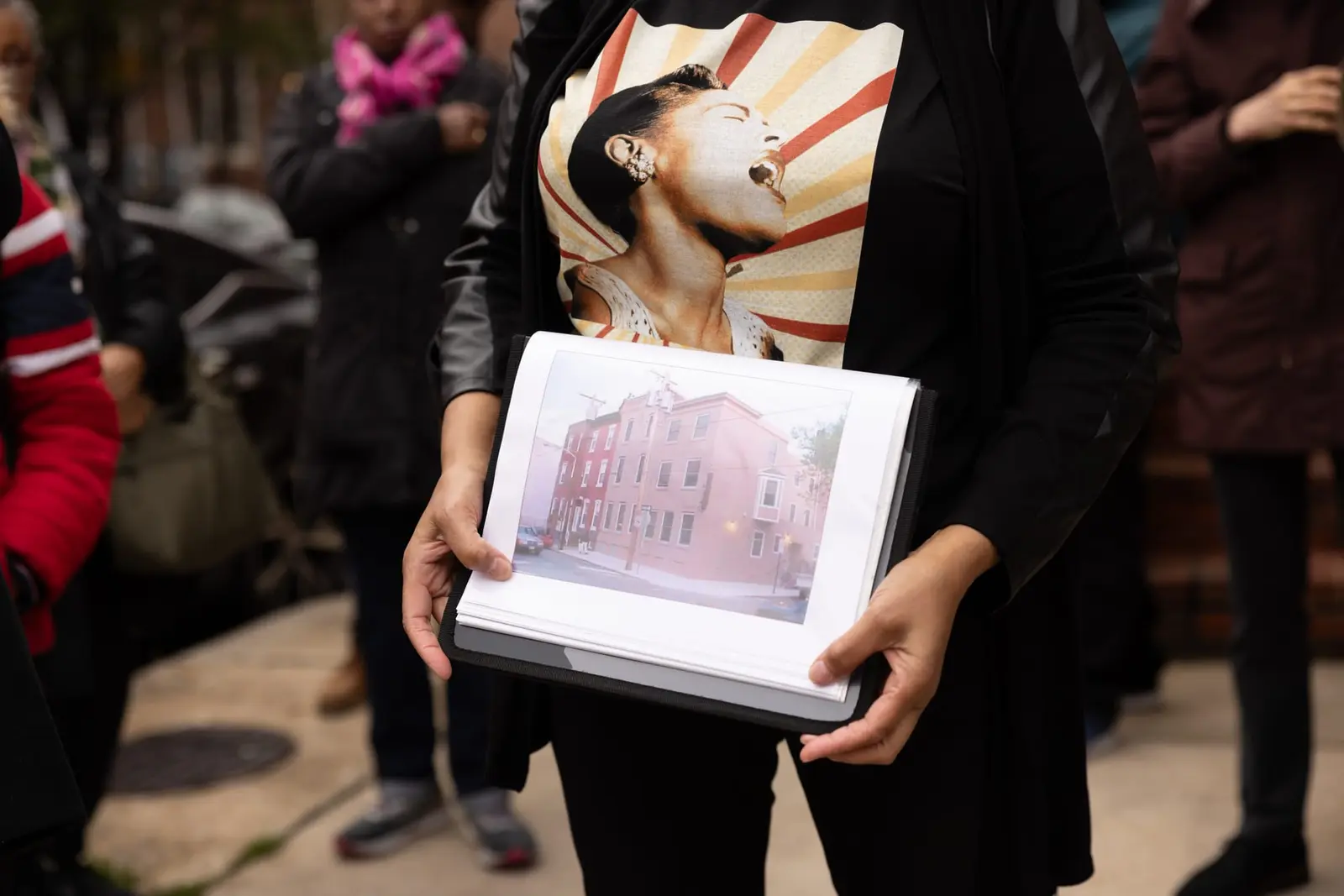
Art as a Voice for the Voiceless
The Fall of Freedom campaign is kicking off its second year with a surge of public art, concerts, and exhibitions across the United States. The events run from October 2 to October 4, drawing crowds to city squares, galleries, and community centers. The initiative gathers artists, musicians, and cultural groups to confront the growing authoritarianism of the current administration. By transforming public spaces into canvases of dissent, the movement aims to spark dialogue and empower local communities.
Culture picks
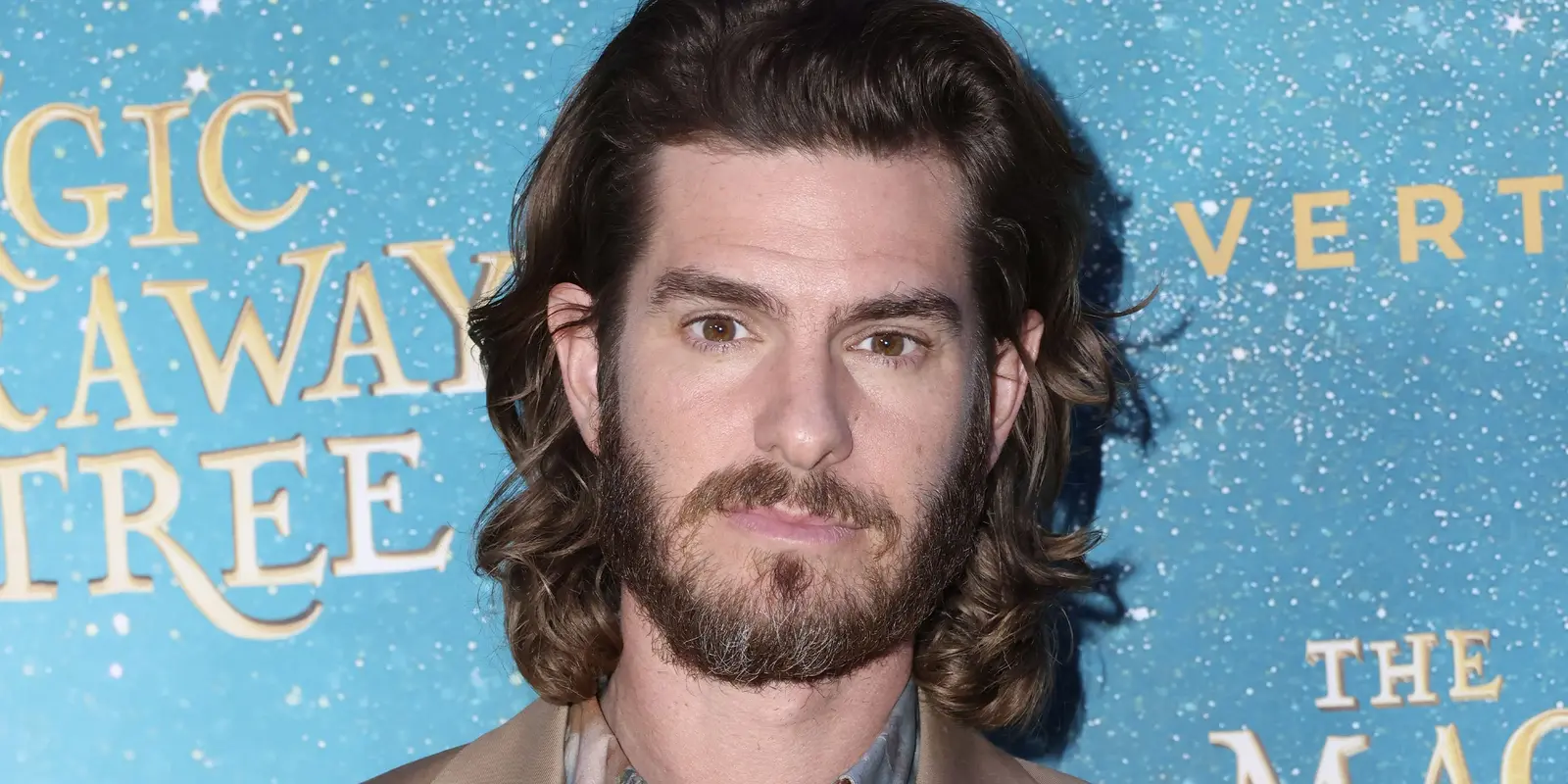 Andrew Garfield’s Latest Action Feature Debuts on Digital Platforms
 Marvel Studios Revisits Avengers: Endgame with New Extended Edition
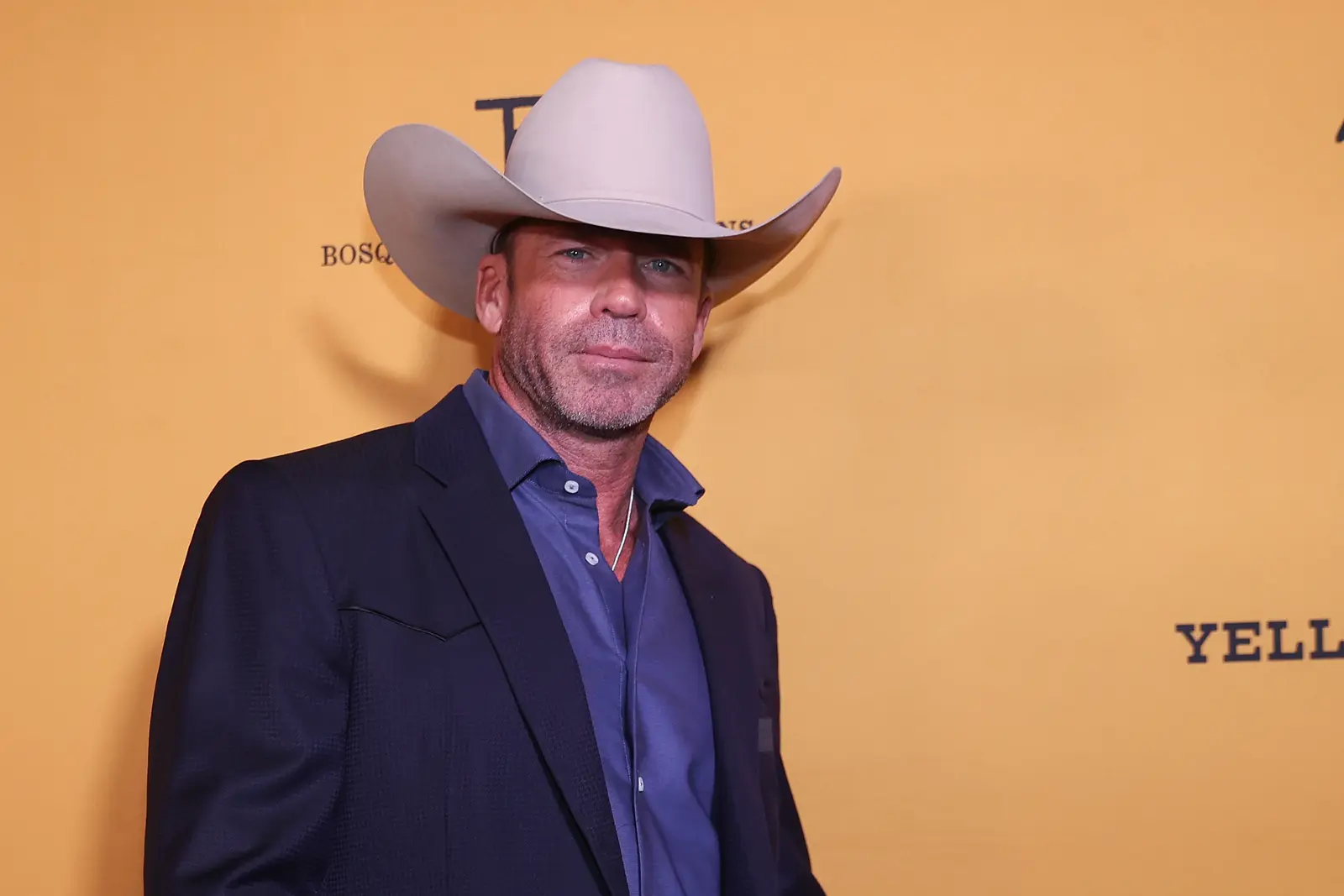 Donna Langley reveals strategy behind signing Taylor Sheridan
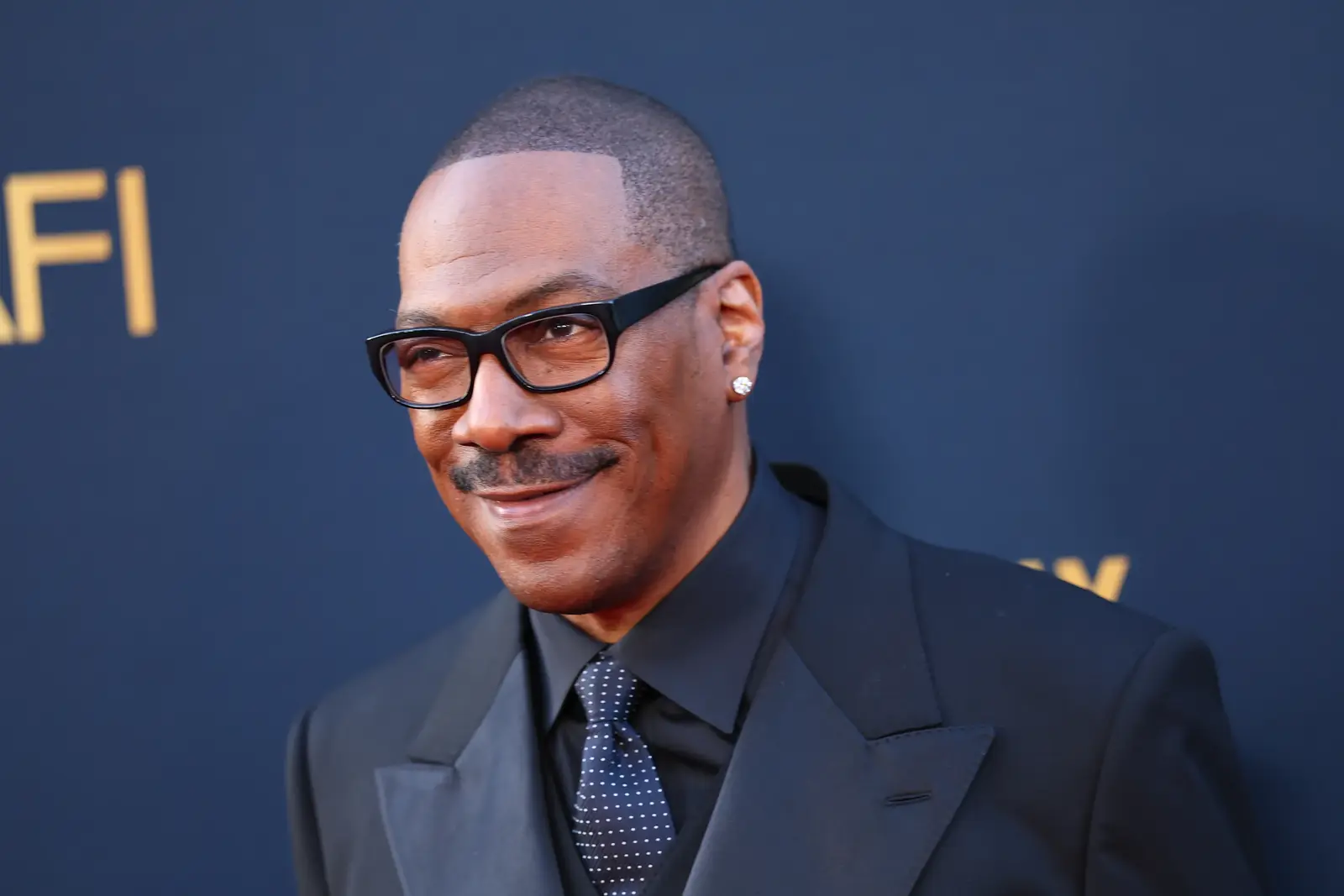 Eddie Murphy Set to Headline New Peacock Drama Series The Chairman
The program features murals that depict historical figures of resistance, installations that reinterpret political slogans, and live performances that challenge prevailing narratives. Artists collaborate with local nonprofits to secure permits and secure funding, ensuring that each piece remains accessible to the public. In several cities, the artwork will be displayed on temporary walls, allowing for rapid creation and removal.
How Does the Movement Mobilize Communities? (and Why It Matters)
The organizers emphasize that art offers a nonviolent platform for protest. By engaging audiences in visually striking displays, the campaign hopes to reach people who might not attend traditional rallies. The combination of visual and auditory experiences creates a multi-sensory protest that resonates across demographics.
The Fall of Freedom network relies on social media, local radio, and community bulletin boards to spread event details. Volunteers coordinate with city officials to secure spaces, while artists provide workshops that teach participants how to create their own zines and street art. This grassroots approach fosters a sense of ownership and empowers individuals to become creators rather than passive observers.
What Impact Has the Campaign Had So Far?
The initiative also partners with educational institutions to host panel discussions on the role of art in social movements. Students learn how to translate political ideas into visual narratives, ensuring that the next generation carries forward the tradition of artistic dissent. By integrating education with activism, the campaign strengthens its long-term impact.
Early reports indicate that several events have attracted thousands of attendees. In New York, a mural project drew over 5,000 people, while in Chicago, a zine workshop filled a community center in under an hour. Participants report feeling a renewed sense of agency, and local businesses have reported increased foot traffic during event days.
Frequently Asked Questions
The campaign’s visibility has also prompted conversations in local media and on political forums. Politicians have acknowledged the growing influence of art in shaping public opinion, and some have pledged to support future initiatives that promote civic engagement.
The movement’s success demonstrates that creative expression can serve as a powerful tool against authoritarian impulses. By turning public spaces into canvases of resistance, Fall of Freedom offers a model for other movements seeking to combine artistry with advocacy.