From Philosophical Texts to Stage: The Genesis of „Timaeus and The Teacher”
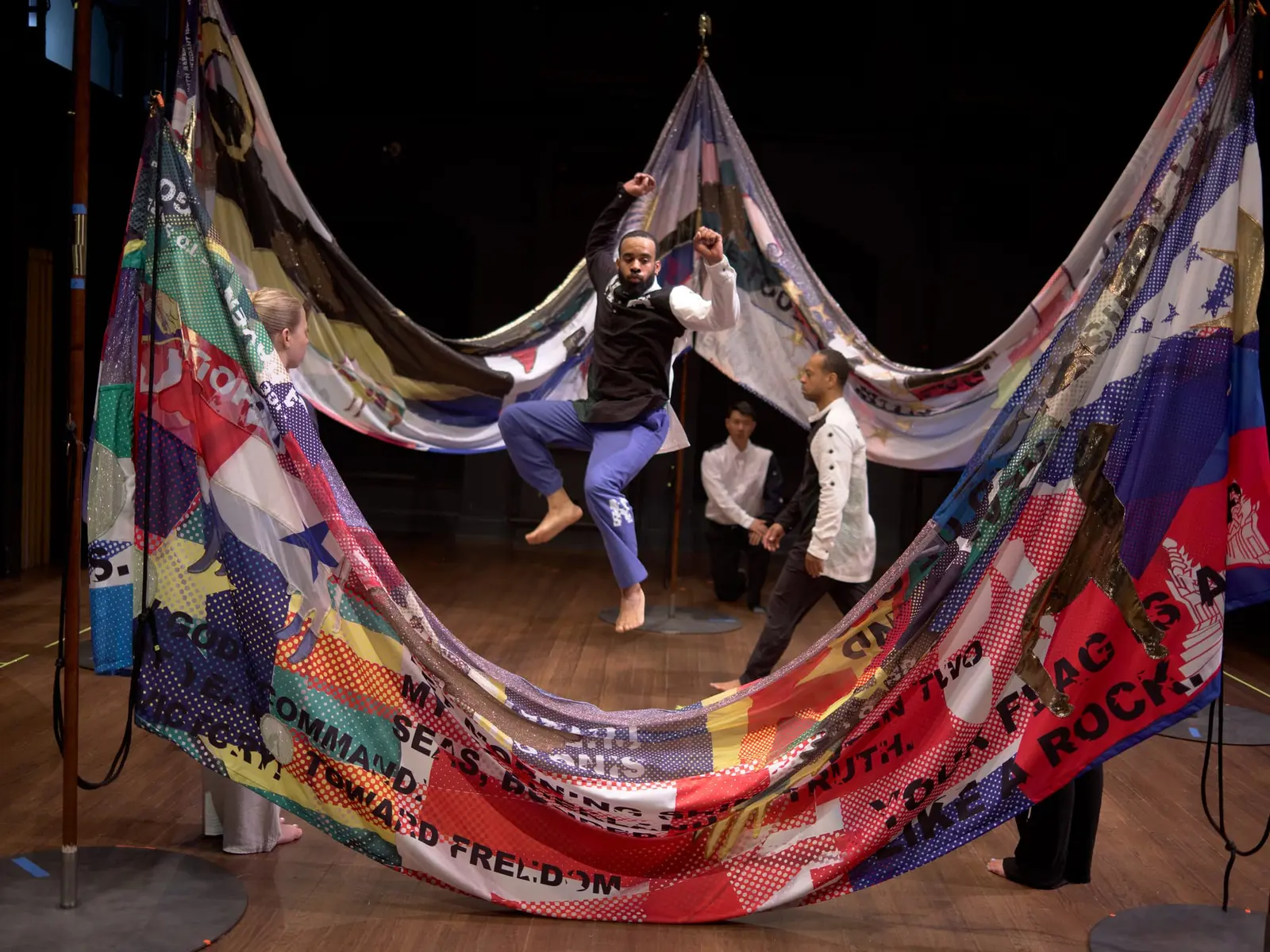
In the closing ceremony of the 61st Venice Biennale, American composer and performer Tammy Nguyen will showcase an excerpt from her still‑incomplete opera, „Timaeus and The Teacher.” The event takes place on October 14, 2026, in the historic Giardini, drawing audiences from around the world to witness a fresh voice in contemporary music.
Culture picks
 Madonna Joins Viral Trend by Featuring Adéla’s „Nicole Kidman” on TikTok
 Barry Rebounds: Streaming Surge Three Years After Final Season
 VisionQuest Revives the Vision for a New MCU Chapter
 Percy Jackson Series Shifts Disney+ Power to Netflix
Nguyen’s work intertwines philosophical themes with modern musical language. The opera, inspired by the ancient dialogue between the Greek philosopher Timaeus and an unnamed teacher, explores the relationship between knowledge and the natural world. Although the full score remains unfinished, Nguyen has prepared a compelling aria that captures the opera’s core motifs. The piece will be performed by a chamber ensemble and a solo vocalist, highlighting the interplay between human and environmental forces. Critics anticipate that this preview will signal Nguyen’s commitment to blending scholarly inquiry with artistic expression.
Nguyen began composing the opera in 2024 after studying Plato’s „Timaeus” and its dialogues. She sought to translate the text’s exploration of cosmology into sound, using dissonant harmonies to represent the chaotic universe and lyrical passages to convey human inquiry. The unfinished status of the opera reflects Nguyen’s deliberate approach: she plans to revise the work as new scientific discoveries emerge, making it a living document that evolves with contemporary understanding.
Will the Biennale’s Finale Redefine Contemporary Opera?
The chosen aria, titled „Echoes of the Cosmos,” opens with a sustained low drone that evokes the vastness of space. Gradually, a solo voice enters, delivering a text that questions the limits of human perception. Nguyen’s compositional technique blends serialism with modal motifs, creating a soundscape that feels both ancient and urgent. The ensemble’s percussion adds a rhythmic pulse, suggesting the relentless march of time.
The Venice Biennale is known for spotlighting avant‑garde art. Nguyen’s participation underscores the event’s commitment to interdisciplinary experimentation. By presenting an unfinished opera, she challenges the traditional notion that a work must be complete to be showcased. This move may inspire other composers to display works in progress, fostering a culture of transparency and collaboration.
Industry observers note that Nguyen’s performance could attract funding for the opera’s completion. The Biennale’s exposure may lead to partnerships with academic institutions interested in the philosophical underpinnings of her music. Moreover, the piece’s environmental themes resonate with the Biennale’s growing focus on climate issues, potentially positioning Nguyen as a key voice in eco‑themed art.
Frequently Asked Questions
Q1: Why is „Timaeus and The Teacher” still unfinished? A1: Nguyen intends the opera to evolve with scientific and philosophical developments. Presenting an aria allows audiences to experience the core ideas while she refines the full score.
Q2: Who will perform the aria at the Biennale? A2: A chamber ensemble and a solo vocalist, selected by Nguyen, will deliver the piece, emphasizing the intimate dialogue between human and cosmos.
Q3: What impact could this performance have on Nguyen’s career? A3: The Biennale exposure may secure funding, academic collaborations, and a broader audience, positioning her as a leading figure in contemporary operatic innovation.