What Happens When the Illusion Shatters?
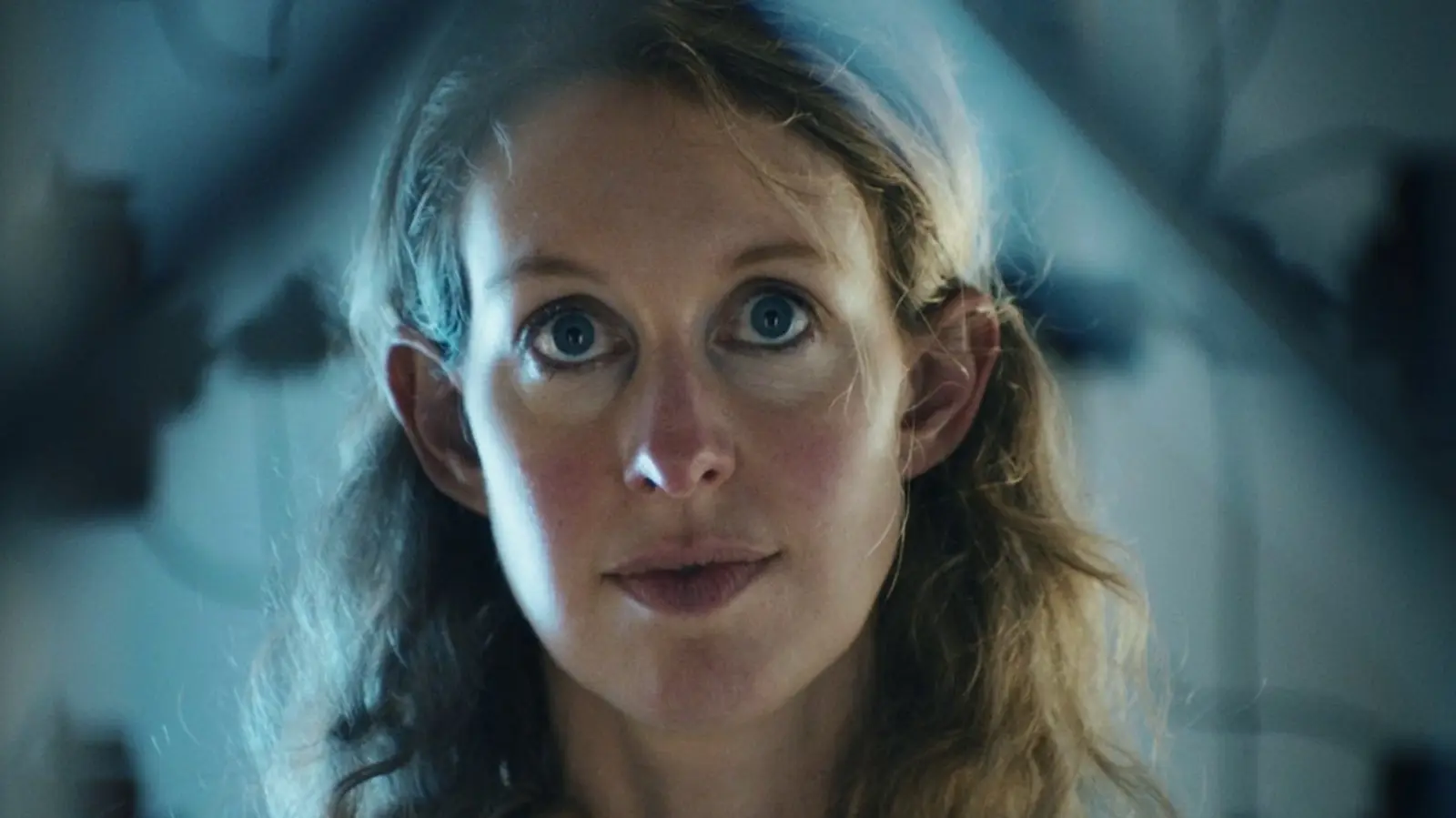
A surprise appearance by an undisclosed actor in Nathan Fielder and Lance Oppenheim's documentary You Can See Everythinghas left viewers stunned, with many reporting a profound psychological impact after the film's recent screening. The revelation, shared by a viewer who attended an afternoon showing just hours ago, warns that the documentary contains a secret performance so disruptive it risks altering one's perception of reality. The film, presented as a documentary, blurs the line between staged and authentic moments, culminating in an unexpected role that challenges fundamental assumptions about what is real.
Culture picks
 The Iconic Television Moment That Redefined Modern Science Fiction
 Revamp Brings New Tech to Angry Birds 3
 Popular Sitcom The Neighborhood Moves to Netflix Following Series Finale
 Street Fighter Dominates Box Office While Documentary Breaks Records
The secret performer's identity remains unconfirmed, but their involvement is described as integral to the film's climax, where carefully constructed illusions collapse under the weight of a single, unforeseen revelation. According to the attendee, the moment occurs late in the runtime and recontextualizes everything that came before, transforming the viewing experience from observational to deeply personal. Fielder and Oppenheim, known for their work in satirical and emotionally complex nonfiction, have not publicly addressed the cameo, fueling speculation that the secrecy is intentional—a deliberate tactic to preserve the film's destabilizing effect. The documentary’s marketing avoided any mention of the performer, suggesting the surprise was engineered to maximize cognitive dissonance.
The actor’s presence functions not as a twist for shock value but as a philosophical provocation, forcing audiences to question the authenticity of every preceding scene. By embedding a performer within what purports to be unfiltered reality, the film exposes the inherent subjectivity of documentary storytelling. This technique aligns with Fielder’s history of blending fiction and truth, as seen in Nathan for You,while Oppenheim’s background in intimate, character-driven films like Some Kind of Heavenadds emotional weight to the deception. The result is a work that doesn’t just depict reality but actively manipulates the viewer’s trust in their own senses.
Attendees describe a lingering sense of unease after the screening, with some reporting difficulty distinguishing between staged and genuine interactions in their daily lives for hours afterward. One viewer likened the experience to „having the ground pulled out from under your understanding of truth.”The film’s impact appears to extend beyond entertainment, triggering discussions about media literacy and the ethical boundaries of blurring fact and fiction in nonfiction formats. Critics have noted that such approaches risk alienating audiences seeking traditional documentaries, but proponents argue the discomfort is the point—a necessary jolt in an era of pervasive misinformation.
Frequently Asked Questions
Is the secret actor a well-known celebrity? While no official confirmation exists, rumors suggest the performer may be someone with a background in performance art or improv, chosen specifically for their ability to disappear into the role without drawing immediate attention to their fame.
Does knowing about the secret ruin the film? Yes, the filmmakers and early viewers strongly advise against spoilers, as the power of the moment relies entirely on genuine surprise; prior knowledge significantly diminishes its intended psychological effect.
Will the actor’s identity be revealed in the future? There is no indication that Fielder or Oppenheim plan to disclose the performer’s identity, as maintaining ambiguity appears central to the film’s lasting impact and thematic goals.