From Concept
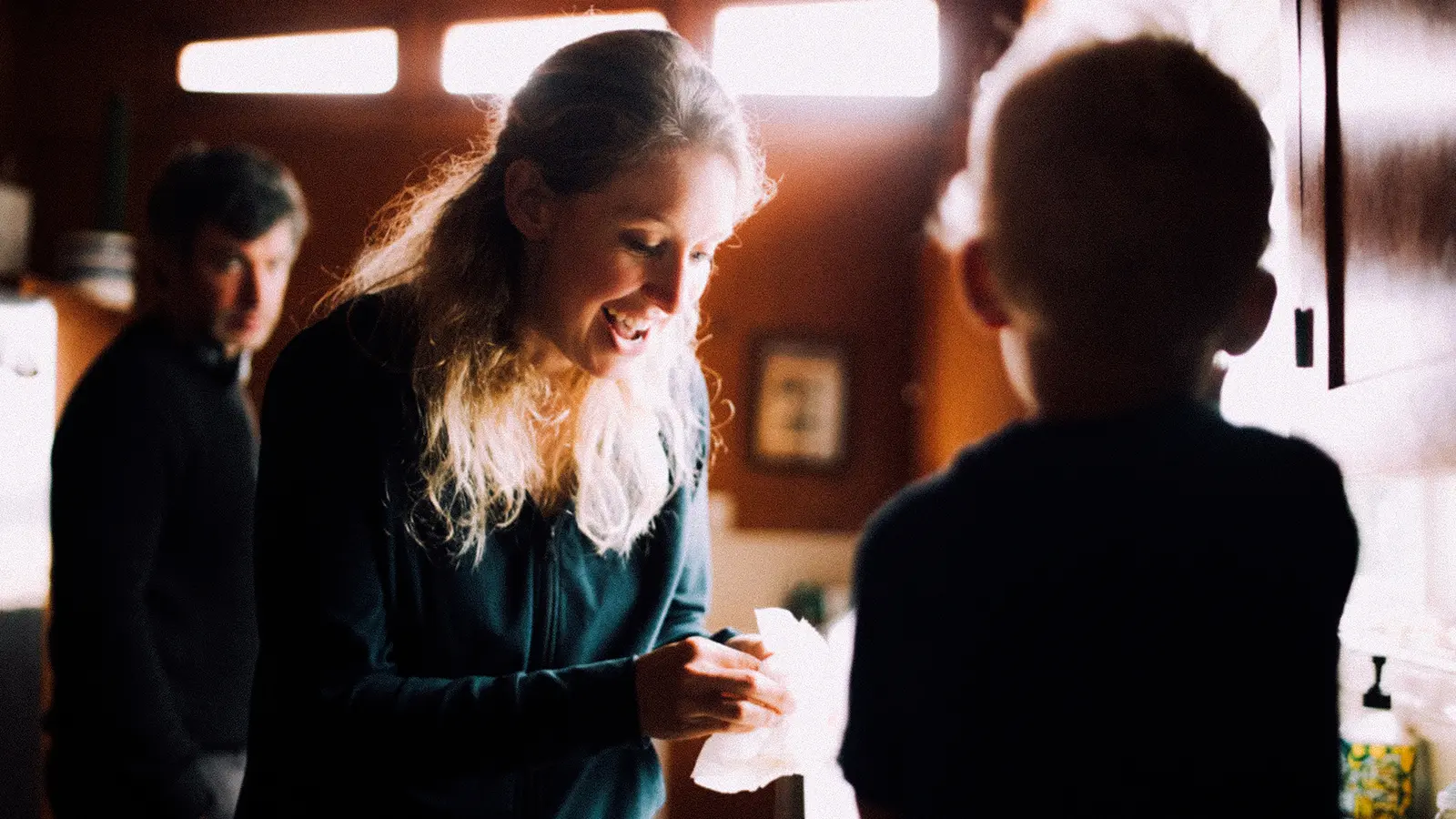
At the New York Film Festival, director Dennis Lim opened a Q&A after the second public screening of „You Can See Everything.” The event, held Wednesday night, gathered filmmaker Nathan Fielder, producer Lance Oppenheim, and a curious audience eager to learn how the documentary unfolded.
Culture picks
 Riza and Pablo Alborán unveil „Deditos Cruzados,” born at Billboard Latin Music Week
 SZA Praises Hayley Williams' Live Performance of Live Love Galore
 Abadi Al Johar: Five Decades Shaping Saudi Music
 Walton Goggins to Star as Villain in Upcoming Miami Vice '85 Revival
The film follows a decade‑long investigation into a subject whose story has unfolded in real time. Filmed in and around New York, the project captures the evolution of its central figure and the surrounding community. The documentary’s narrative arc spans several years, offering viewers a deep dive into the subject’s life and the broader social context.
Dennis Lim began the discussion by asking, „I guess we should just start at the beginning, and tell us how this happened.” Fielder explained that the idea emerged during a chance meeting with the protagonist in a small coffee shop. The initial conversation sparked a curiosity that grew into a full‑scale documentary. The team spent eight years tracking the subject’s journey, documenting milestones, setbacks, and moments of revelation. Oppenheim noted that the production’s longevity allowed the filmmakers to capture the subject’s growth authentically, avoiding the pitfalls of rushed storytelling.
Audience Engagement and Future Directions
The filmmakers faced logistical challenges, from securing funding to navigating legal permissions for archival footage. They also had to balance the subject’s privacy with the film’s narrative needs. „We wanted to honor the person’s voice while presenting a compelling story,” Fielder said. The result is a layered portrait that invites viewers to question their perceptions of reality and the power of observation.
During the Q&A, Lim prompted the audience to reflect on the film’s themes. „If we cannot agree with what is happening, there is something there,” he remarked, encouraging viewers to examine their own biases. The discussion highlighted the documentary’s impact on public discourse, particularly around themes of surveillance, privacy, and individual agency.
The film’s reception at the festival has opened doors for further screenings and potential distribution deals. Oppenheim hinted at plans to release a companion podcast that delves deeper into the research process. „We want to keep the conversation going beyond the screen,” he said. The documentary’s success also positions the filmmakers to tackle new projects that explore the intersection of personal narratives and societal structures.
The film’s release marks a milestone for the team, who have now completed a project that will continue to resonate with audiences worldwide. As the documentary circulates, it invites viewers to reconsider what they see and what they choose to ignore.
Frequently Asked Questions
What is the central subject of „You Can See Everything”? The film follows an individual whose life and surroundings are examined over a decade, revealing how ordinary experiences can become extraordinary when viewed through a documentary lens.
How long did production take, and what were key challenges? Production spanned eight years, with major hurdles including securing consistent funding, obtaining archival permissions, and maintaining the subject’s trust throughout the filming process.
What are the filmmakers’ plans after the NYFF screening? They are exploring distribution opportunities, a companion podcast, and future projects that build on the themes of observation and personal agency highlighted in this documentary.