The Absurdity of Television Dubbing
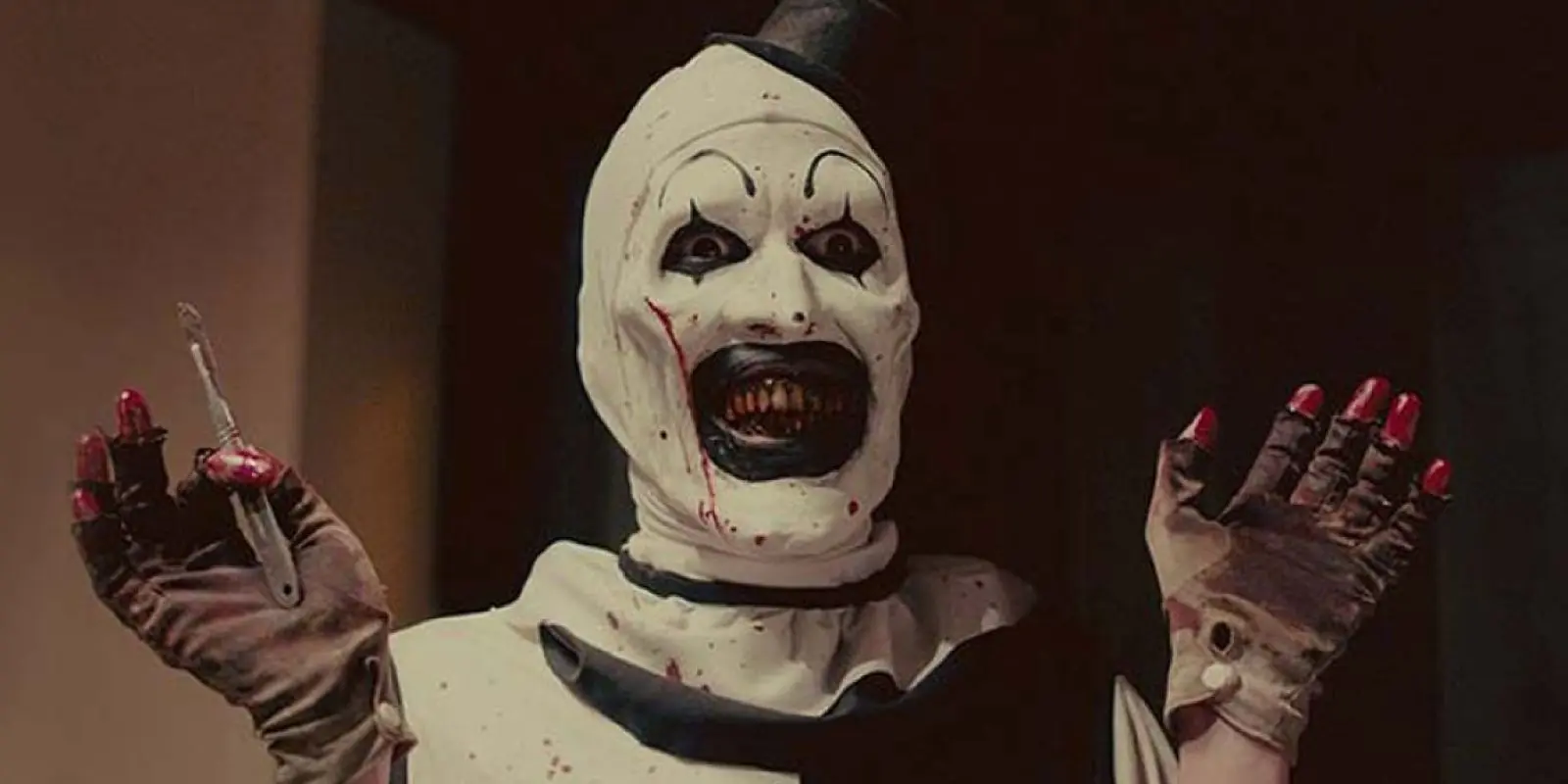
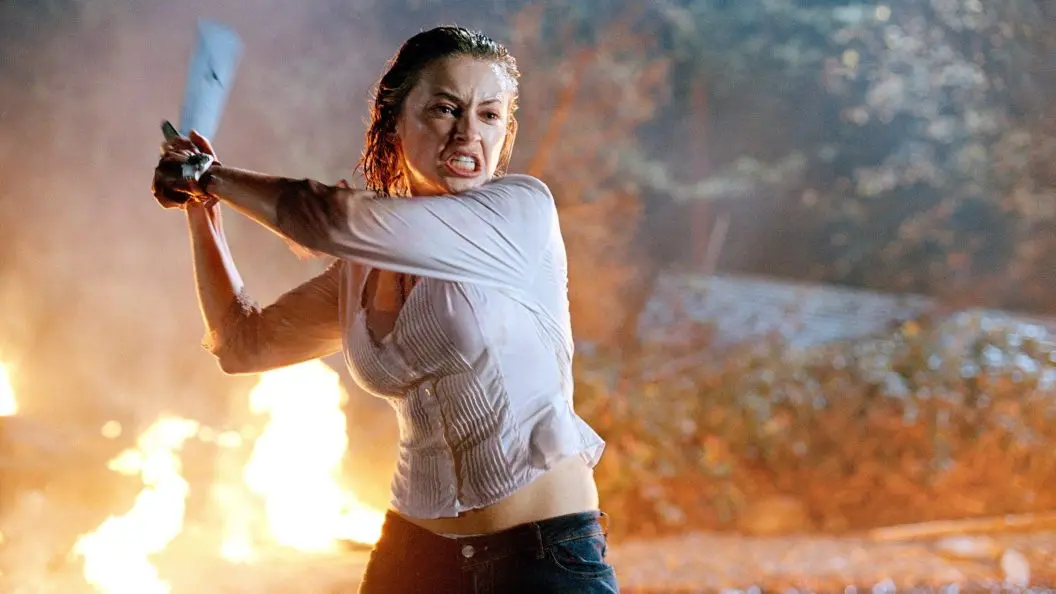
For decades, broadcast television networks routinely butchered R-rated horror films to comply with strict censorship guidelines. Before the streaming era, viewers were forced to watch heavily edited versions of their favorite movies. These sanitized cuts replaced graphic violence and profanity with awkward dialogue, often turning terrifying cinematic experiences into unintentionally hilarious or surreal broadcasts.
Culture picks
 8 Comics and Webtoons Perfect for Dungeon Crawler Carl Fans
 Laurence Fishburne: The Underrated Superhero Icon
 Joshua Jackson's Dawson's Creek Legacy
 Edgar Wright's departure from Ant-Man reshaped the film's direction and tone
Network censors frequently removed entire scenes depicting gore, nudity, or intense psychological trauma. To bridge the resulting gaps, editors often dubbed over dialogue or inserted jarring transitions. This process frequently destroyed the pacing and tone of the original horror masterpieces. What remained was a confusing, diluted version of the film that left audiences baffled by the sudden shifts in narrative logic.
The most infamous examples involved the replacement of expletives with nonsensical phrases. Instead of hearing genuine reactions to supernatural threats, audiences heard characters shout bizarre, sanitized alternatives. This practice was particularly common in the late 20th century when broadcast standards were at their most rigid. By stripping away the gritty reality of the dialogue, networks inadvertently highlighted the artificial nature of the performances.
Could Censorship Actually Enhance the Horror?
These edits often created a disconnect between the visual intensity of the film and the auditory experience. While a character might be fleeing a monster, their dialogue sounded like a mild reprimand. This dissonance became a hallmark of cable television horror marathons. Fans grew to recognize the specific, unnatural cadence of these network-mandated scripts.
Some viewers argue that these edits added a layer of eerie detachment to the films. By removing the visceral elements, the movies leaned into a strange, uncanny valley effect. The lack of expected violence forced the audience to imagine what was missing, sometimes creating a different kind of tension. However, most horror enthusiasts agree that the original director’s vision remains superior to these compromised versions.
Frequently Asked Questions
Modern streaming platforms have largely rendered these clumsy edits obsolete. Today, audiences can access the full, uncut versions of their favorite horror films with ease. The era of the bleeped-outslasher movie is effectively over, leaving these bizarre television edits as mere relics of a more restrictive media landscape.
Why were horror films edited so heavily for television? Networks had to follow strict broadcast regulations regarding violence, profanity, and nudity. These rules were designed to make content suitable for a general audience during prime-time slots.
Did these edits change the meaning of the movies? Yes, the removal of key scenes often broke the narrative flow and character development. By replacing intense language with polite alternatives, the emotional impact of the horror was significantly diminished.