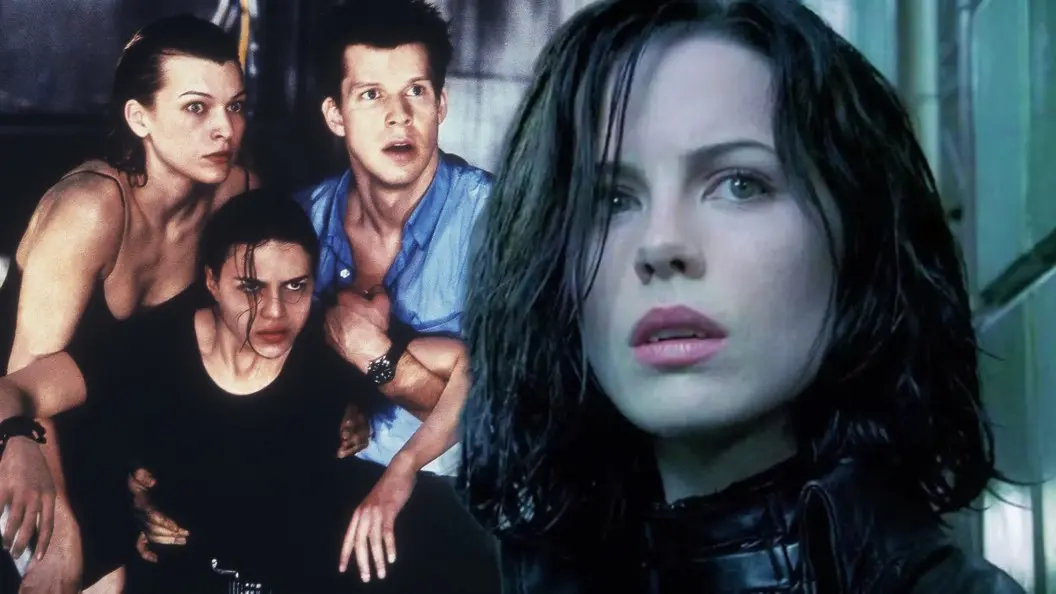
Why Pure Action or Horror Falls Short in Hybrid Films
Action and horror have long been treated as separate cinematic lanes, but history shows they thrive when merged. Over decades, filmmakers have blended pulse-pounding set pieces with genuine dread, creating hybrids that satisfy fans of both genres. These films use combat choreography and suspense tactics in tandem, proving that fear and fury can coexist on screen. The result is a subgenre where heroes don’t just survive—they fight back against the unseen.
Culture picks
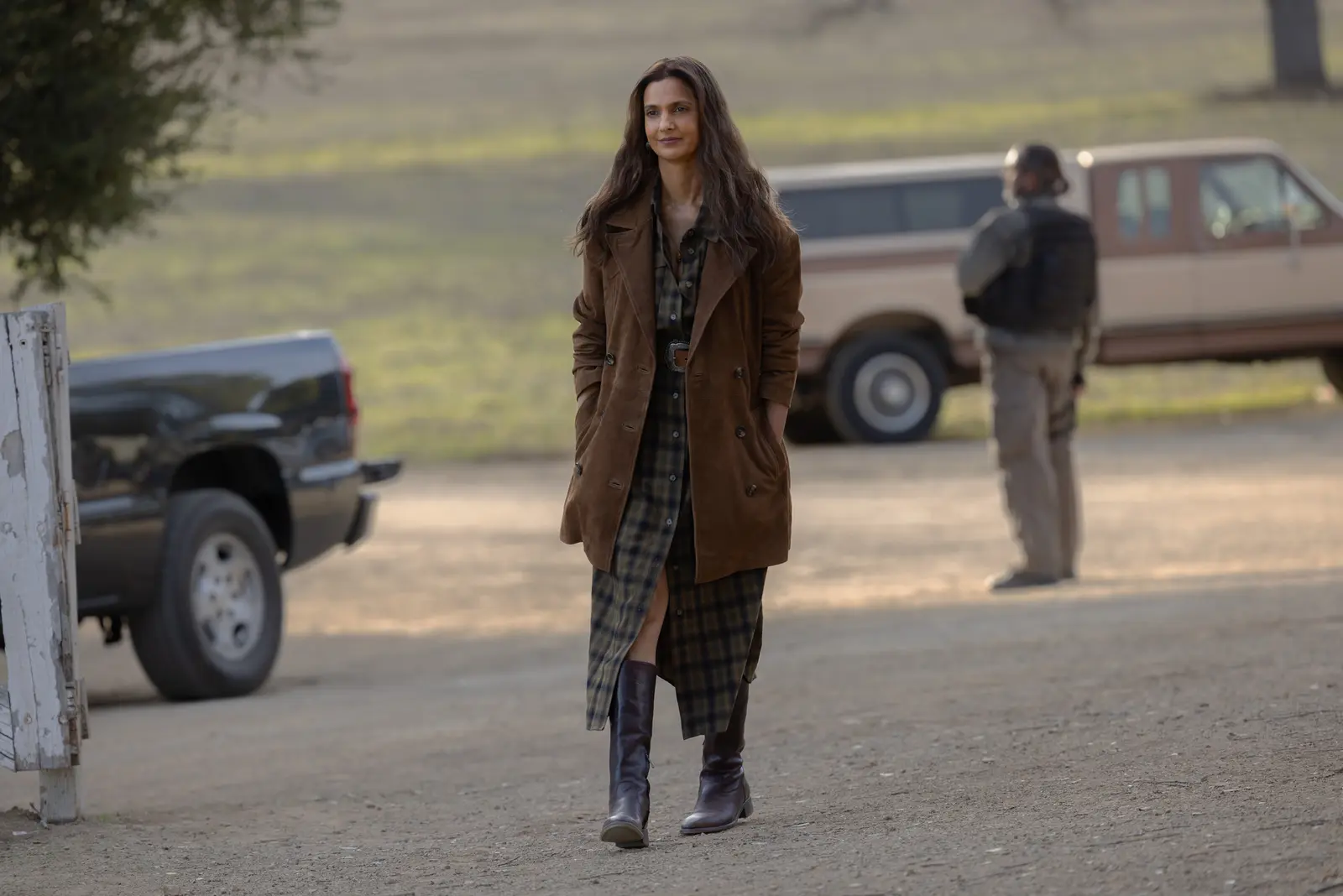 Lanterns Star Poorna Jagannathan Analyzes Zoe’s Dark Turn in Episode Five
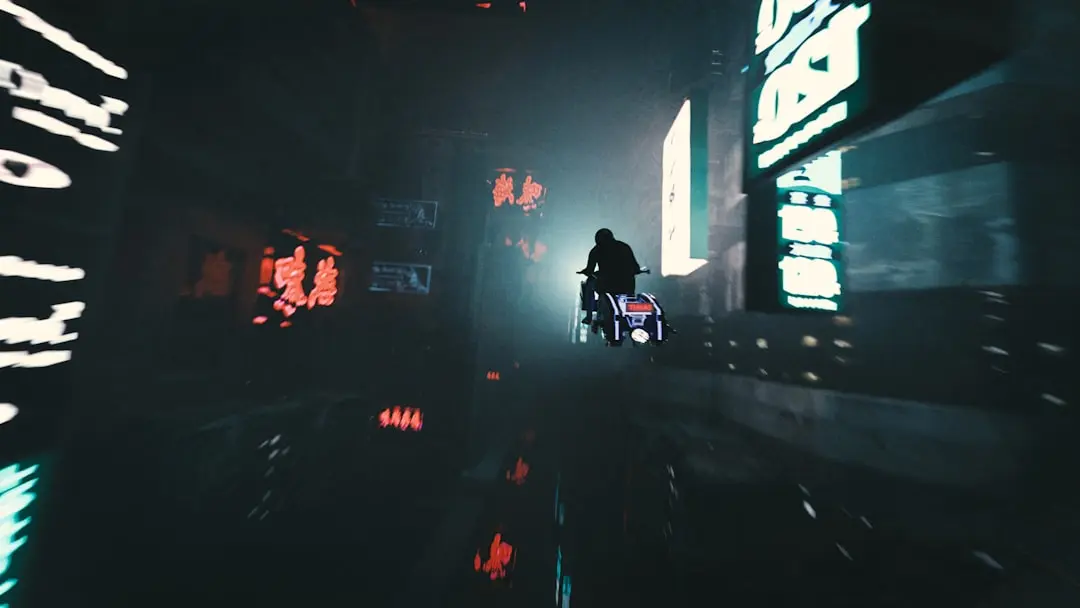 ABC’s 14‑Part Cyberpunk Series Calls for Black Mirror‑Level Recognition
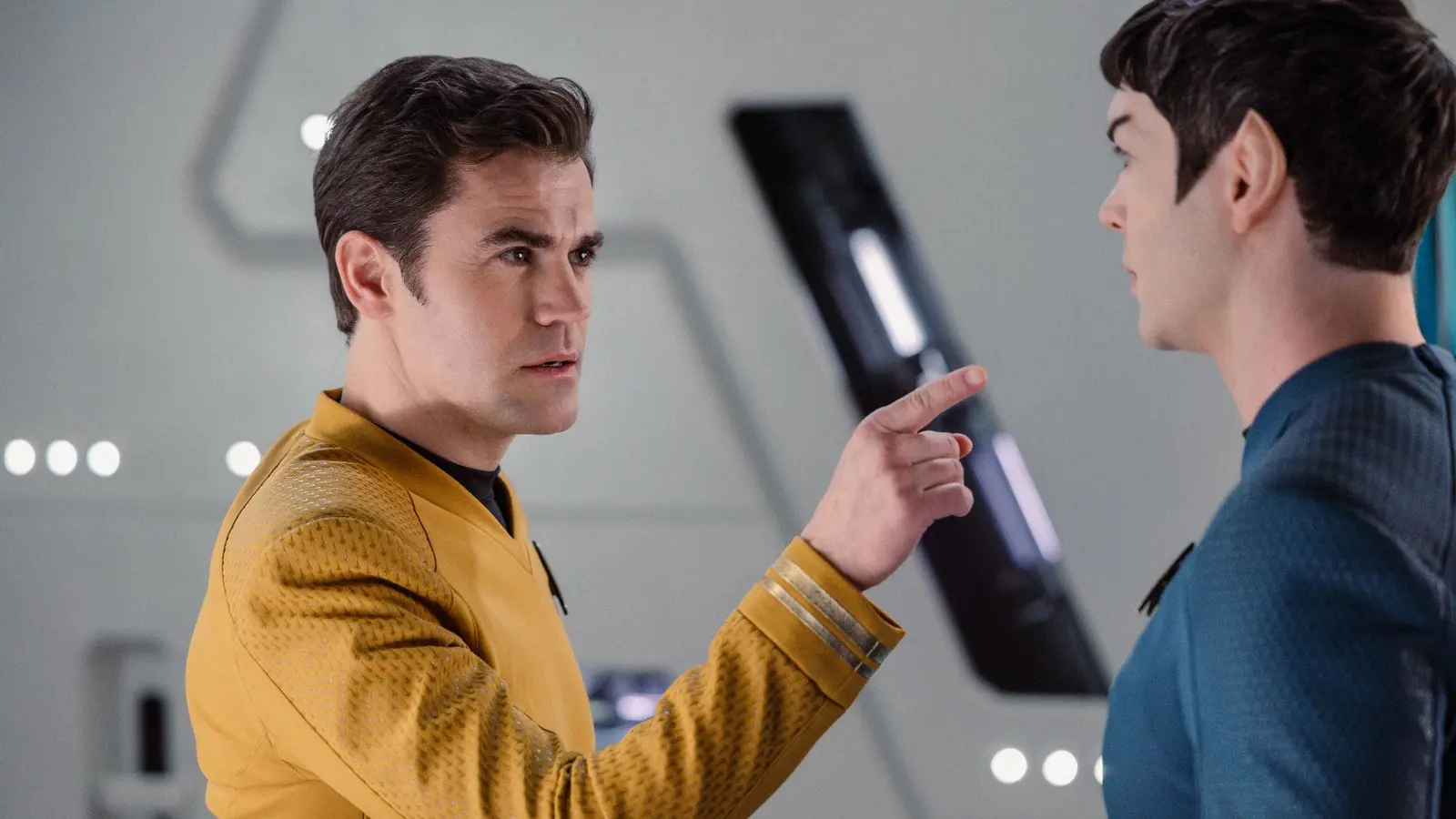 Star Trek: Strange New Worlds Announces Genre Shift for Final Six Episodes
 Céline Dion Returns to Paris Stage After Six-Year Absence
Early attempts at mixing action and horror often leaned too hard on one side, leaving audiences unsatisfied. Pure action relies on clear victories and heroic triumphs, while horror thrives on vulnerability and the unknown. When combined poorly, the result feels tonally uneven—either too silly to scare or too grim to excite. Successful hybrids balance these tones by grounding supernatural threats in physical confrontation, letting protagonists use skill and courage to face what should terrify them. This approach keeps tension high without sacrificing narrative payoff.
Some of the most acclaimed action-horror entries are sequels that refine the formula established by their predecessors. By building on established lore and character trauma, follow-ups can deepen both the emotional stakes and the spectacle. One notable example improves upon its origin story with tighter pacing, more inventive creature design, and a lead character whose combat skills evolve alongside their psychological journey. Critics note that this evolution transforms what began as a simple survival tale into a layered exploration of resilience, where every fight scene reflects internal growth as much as external threat.
The lasting appeal of these films lies in their ability to deliver catharsis through dual lenses: the adrenaline of overcoming odds and the primal release of confronting fear. As streaming platforms and studios seek fresh takes on familiar formulas, the action-horror blend remains a reliable draw. Future entries will likely continue pushing boundaries—using practical effects, innovative sound design, and genre-savvy storytelling—to ensure that when the hero raises their weapon, the audience feels both the weight of the swing and the chill of what waits in the dark. Frequently Asked Questions
Can a Sequel Surpass Its Predecessor in This Genre?
What makes an action-horror film effective? It succeeds when action sequences serve the horror atmosphere rather than undermine it, using combat to heighten tension instead of relieving it.
Why do some sequels work better than originals in this genre? Sequels can deepen character motivation and expand lore, allowing for more sophisticated scares and more meaningful confrontations.
How do filmmakers balance action and horror tones? They maintain consistent stakes by ensuring that every fight carries risk and that victories feel hard-won, not guaranteed.