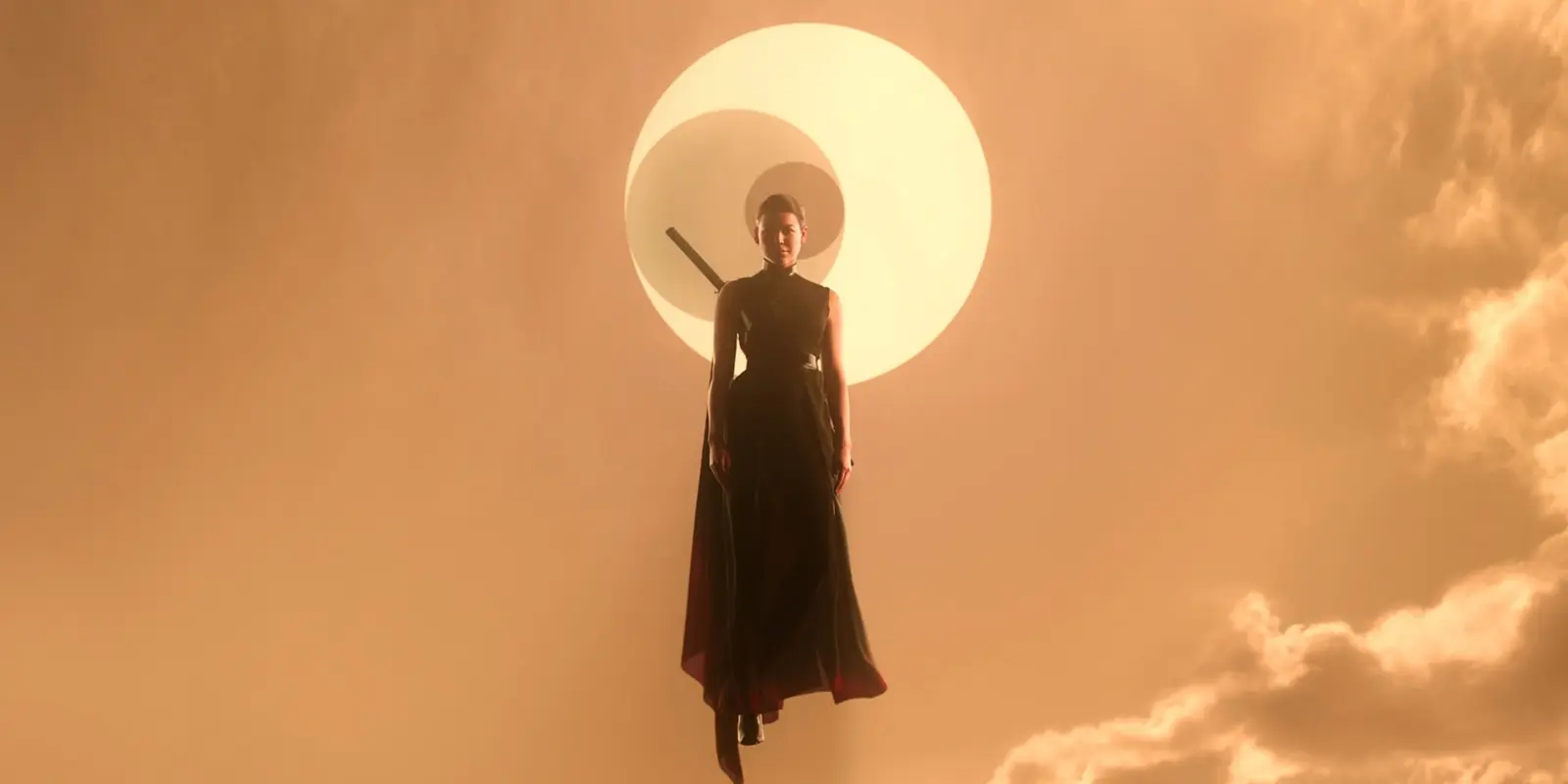
Visual Spectacle Meets Fan Nostalgia
The new live‑action adaptation of the classic Street Fighter video game hit theaters this week, backed by Paramount and Legendary Pictures. Early critical response is split, with Rotten Tomatoes showing a 43 % critic rating while audiences have given it an 81 % approval score. The movie showcases vivid fight choreography and a slew of nods to longtime fans of the franchise.
Culture picks
 Star Trek Documentary Seeks to Reimagine the Fan Experience
 Reboot of „The Sopranos” Returns to Streaming Platforms
 Doctor Who’s Future in Question After Controversial Season Finale
 Top Netflix Picks: Stephen King Adaptation and Monster Film Take Center Stage
The production aimed to translate the arcade’s iconic characters and settings into a blockbuster format, employing high‑budget set pieces and modern CGI. Director Steven Caple Jr. said the goal was to honor the game’s legacy while delivering a fresh cinematic experience. Critics, however, argue the script leans heavily on fan service, leaving the narrative thin. Some reviewers praised the fight sequences and the detailed recreation of classic stages, while others felt the plot lacked depth and the pacing suffered. The disparity between critic and audience scores suggests the film resonates more with dedicated gamers than with mainstream moviegoers.
The film’s production design pulls directly from the game’s most recognizable locales, from the bustling streets of Metro City to the neon‑lit arenas of Shadaloo. Costume designers recreated Ryu’s white gi and Chun‑Li’s signature qipao with meticulous attention to detail, earning commendations from costume enthusiasts. Hidden Easter eggs pepper the runtime: a background arcade displaying the original 1991 Street Fighter II title screen, a cameo of the iconic „Hadouken” sound effect, and subtle references to obscure characters that only veteran players would notice. These touches have sparked lively discussion on social media, with fans cataloguing each reference and debating their significance.
Does the Film Succeed as a Standalone Story?
While the visual fidelity delights fans, many question whether the movie can stand on its own merits. Narrative analyst Maria Torres noted that the screenplay prioritizes action over character development, leaving protagonists feeling under‑explored. The film introduces a new antagonist, but his motivations remain vague, prompting speculation about a possible sequel to flesh out the storyline. Box‑office analysts predict a solid opening weekend driven by the franchise’s loyal base, yet warn that sustained success will depend on word‑of‑mouth beyond the gaming community.
The mixed reception may shape the future of video‑game adaptations, highlighting the challenge of balancing fan expectations with broader storytelling appeal. If the studio opts for a sequel, it will need to deepen character arcs and tighten the plot to win over skeptical critics while retaining the visual flair that impressed audiences.
Frequently Asked Questions
Why do critics rate the film lower than audiences? Critics focus on narrative structure, character depth, and originality, finding the movie overly reliant on fan service, whereas audiences appreciate the faithful visuals and nostalgic references.
Are there plans for a sequel? The studio hinted at a continuation, but no official greenlight has been announced; future developments will likely depend on box‑office performance and fan response.
What are the most notable Easter eggs in the movie? Highlights include a retro arcade screen showing the original Street Fighter II logo, subtle background graffiti referencing classic character names, and a brief cameo of the iconic „Hadouken” sound effect during a pivotal fight scene.