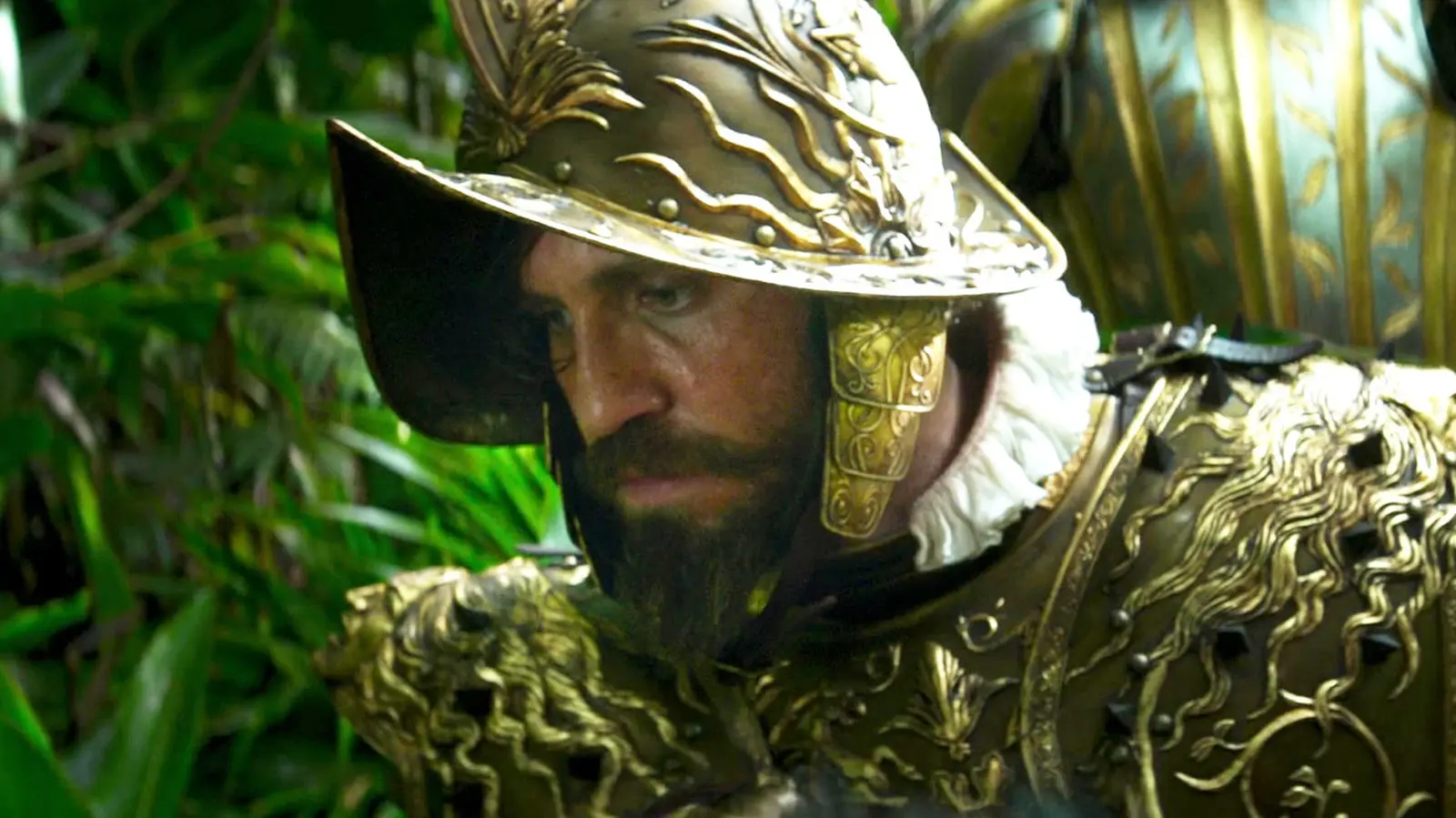
Why Critics Were Divided on the Film’s Tone and Pacing
In September 2021, Disney released its live-action adaptation of the Jungle Cruise theme park ride, starring Dwayne Johnson and Emily Blunt. The film premiered in theaters and on Disney+ simultaneously, aiming to capitalize on post-pandemic audience interest. Despite high expectations and a star-studded cast, the movie underperformed at the domestic box office relative to its production and marketing costs.
Culture picks
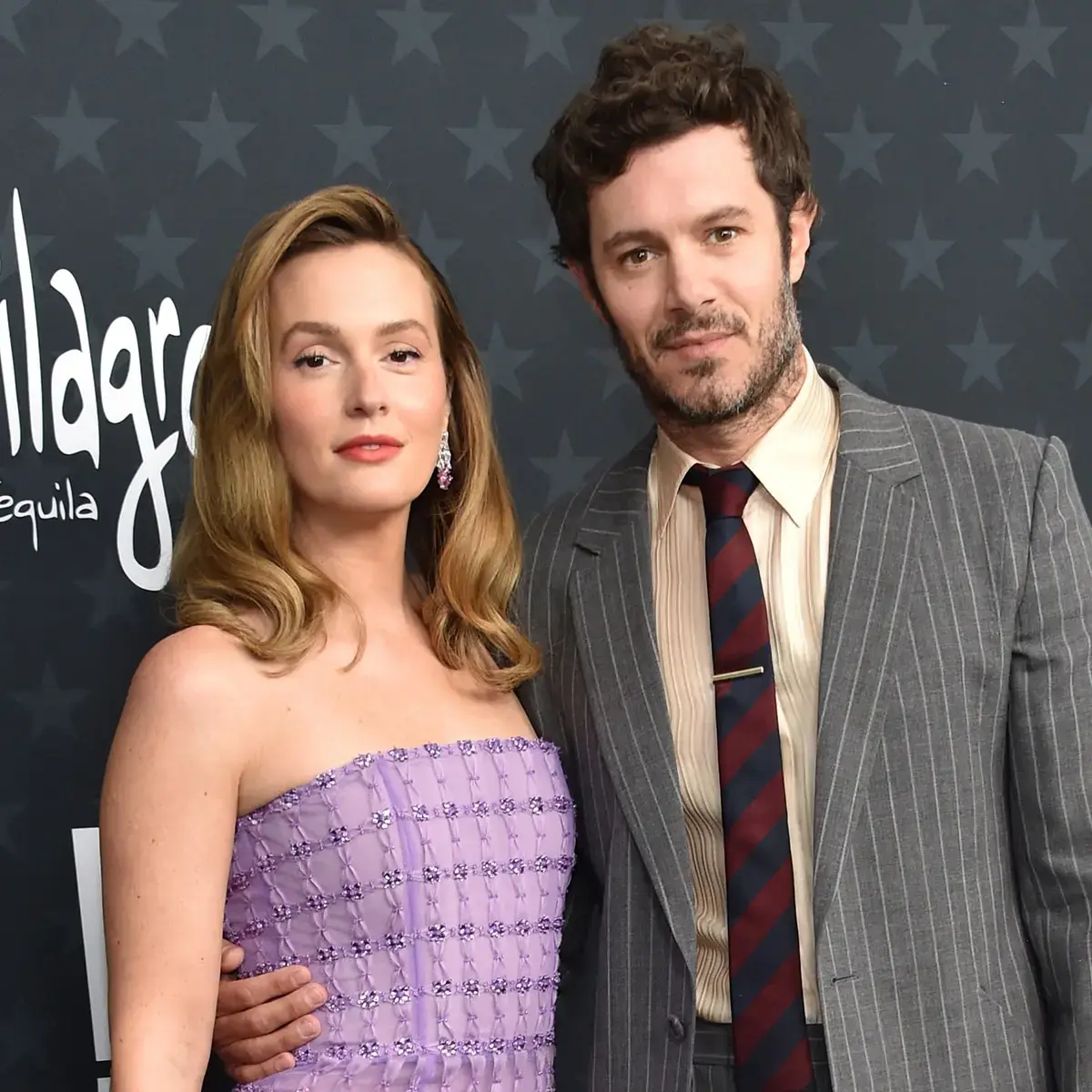 Adam Brody Says His Kids Will Discover His Shows on Their Own Terms
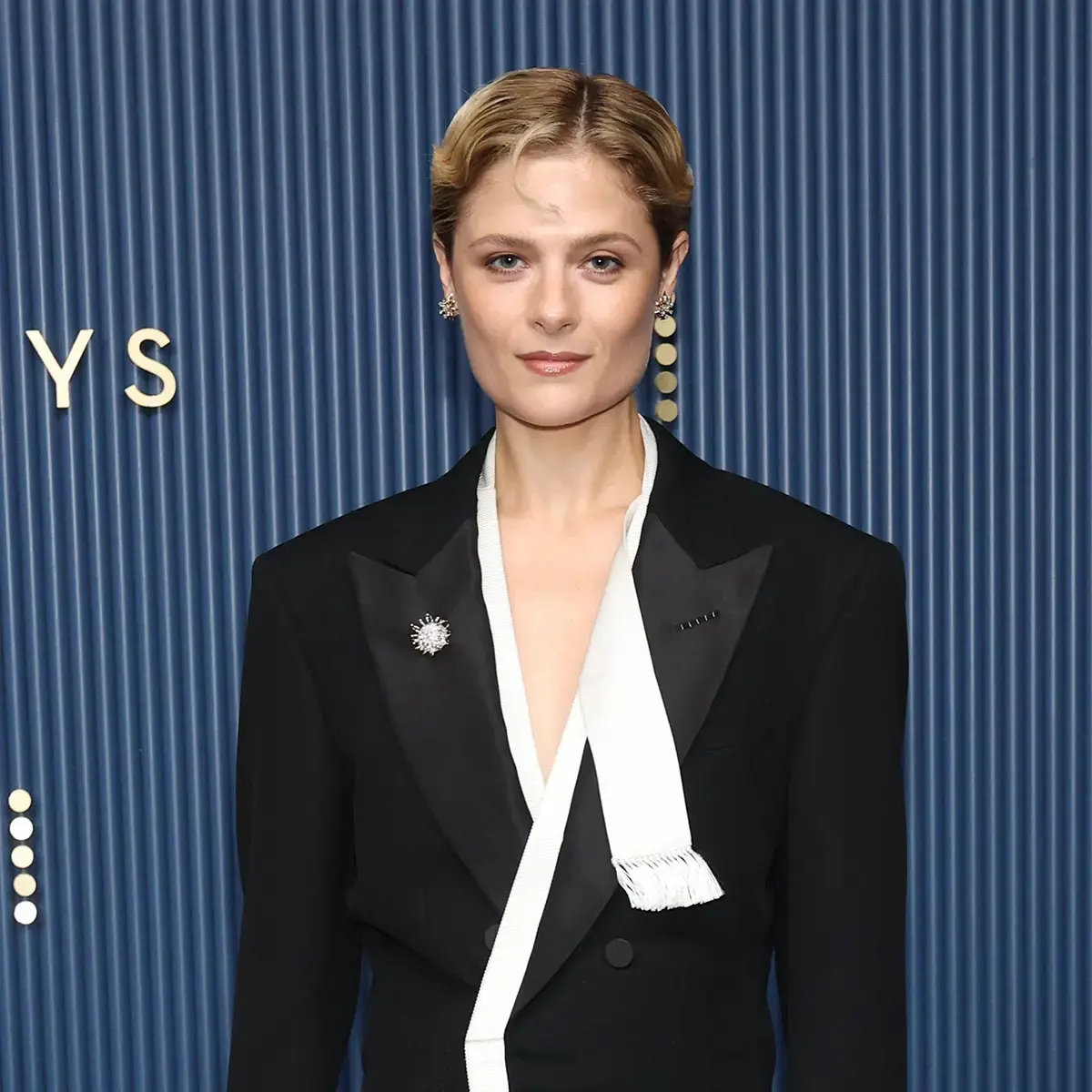 Louisa Jacobson Reacts to Sister Grace Gummer’s Love Story Role
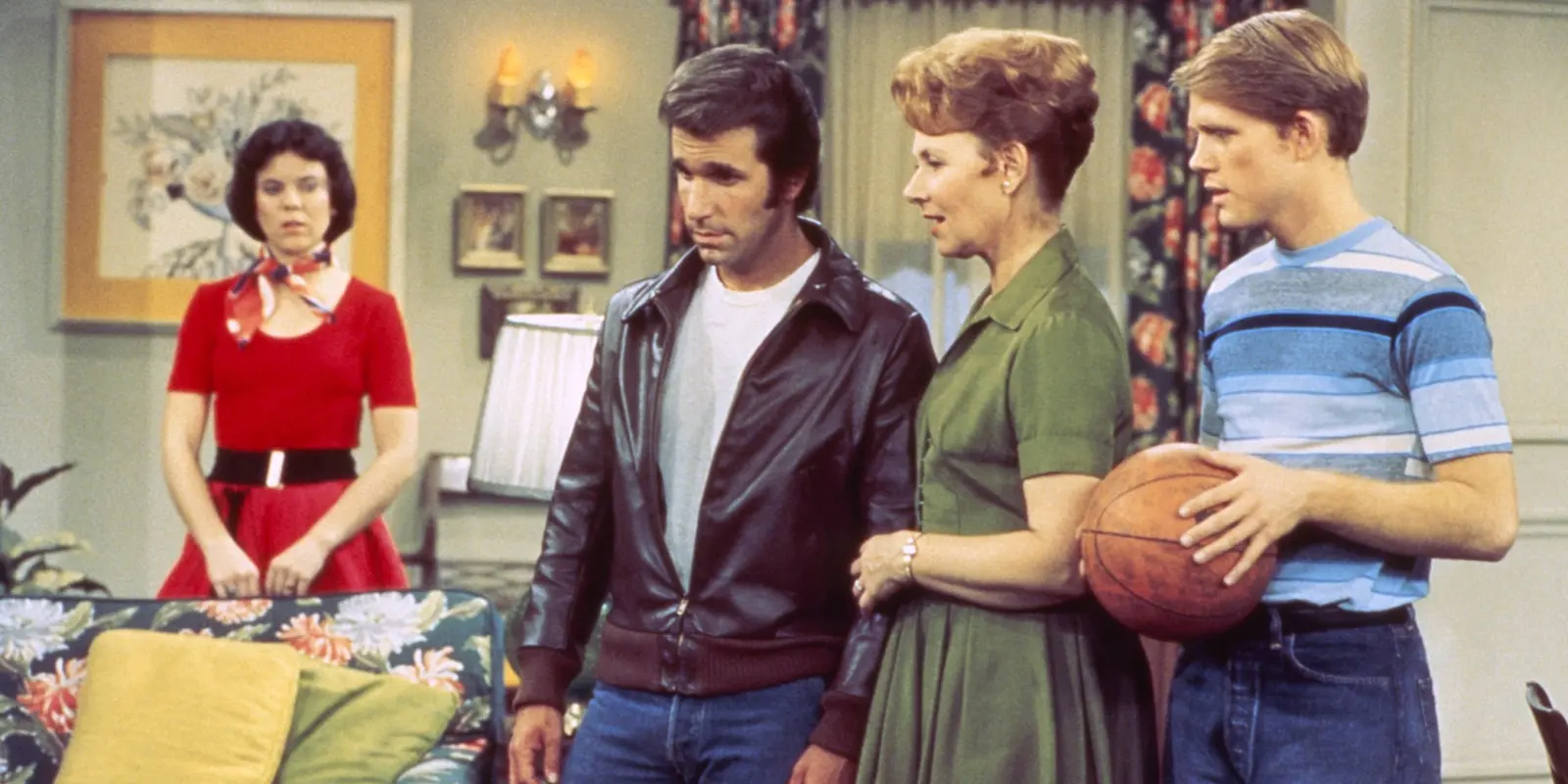 Henry Winkler Rejected ABC's Proposed Title Change for Happy Days
 Mikayla Matthews Announces Departure from „Secret Lives of Mormon Wives” Amid Ongoing Tension with Co‑Star Taylor Frankie Paul
The adventure comedy, directed by Jaume Collet-Serra, followed a riverboat captain and a scientist navigating the Amazon in search of a mythical tree. Inspired by the longstanding Disneyland attraction, the film blended humor, action, and supernatural elements. With a reported budget exceeding $200 million, Disney invested heavily in visual effects and global promotion, hoping to launch a new franchise akin to Pirates of the Caribbean.
Reviews highlighted the movie’s uneven balance between lighthearted fun and overly complex plotting. Some praised the chemistry between Johnson and Blunt, noting their comedic timing elevated familiar tropes. Others criticized the screenplay for relying too heavily on genre clichés and underdeveloped supporting characters. The film’s attempt to mix earnest adventure with irreverent humor left some viewers uncertain about its intended audience.
Could a Sequel Still Happen Despite the Initial Response?
Audiences responded more favorably than critics, with many appreciating the nostalgic nods to the original ride and the film’s vibrant visual style. Disney+ viewership data suggested strong engagement in the weeks following release, particularly among family audiences. This divergence between critical and popular reception sparked internal discussions about how to measure success for hybrid release models.
While no official sequel has been announced, Disney has not ruled out revisiting the Jungle Cruise universe. Executives have pointed to the film’s global box office total of over $220 million and sustained streaming interest as potential foundations for future development. Industry analysts note that Disney often revisits underperforming titles when theme park integration offers synergistic opportunities.
The Jungle Cruise experience remains a popular fixture at Disney parks worldwide, with seasonal overlays and interactive updates maintaining its relevance. This enduring park presence may influence future creative decisions, especially as Disney seeks to strengthen connections between its film studios and immersive entertainment divisions. For now, the film stands as a notable example of a costly venture that found its audience more slowly than anticipated.
Frequently Asked Questions
Was Jungle Cruise considered a box office failure? While it did not meet Disney’s blockbuster thresholds domestically, its worldwide earnings and streaming performance prevented it from being labeled a outright loss, though it fell short of franchise-launching goals.
Did the film’s hybrid release affect its box office results? The simultaneous theatrical and Disney+ debut likely impacted traditional box office numbers, though Disney has not disclosed exact viewership figures to assess the trade-off.
Are there plans to continue the Jungle Cruise story in other media? No sequels or spin-offs have been confirmed, but Disney continues to explore ways to extend the adventure through park experiences and potential future projects tied to the original concept.