
Intimacy Replaces Opulence in Visual Design
The new film adaptation of Jane Austen’s classic novel shifts focus from visual grandeur to emotional depth. Screenwriter Diana Reid and costume designer Grace Snell led this creative effort. Cinematographer Arnaud Potier captured the story without relying on traditional period film excess. This approach redefines how audiences experience the narrative today.
Culture picks
 9-1-1: Nashville Returns With New Drama And A Fresh Face
 Top Psychological Thrillers to Stream This Weekend
 Tarell Alvin McCraney Reflects on the Enduring Legacy of Moonlight
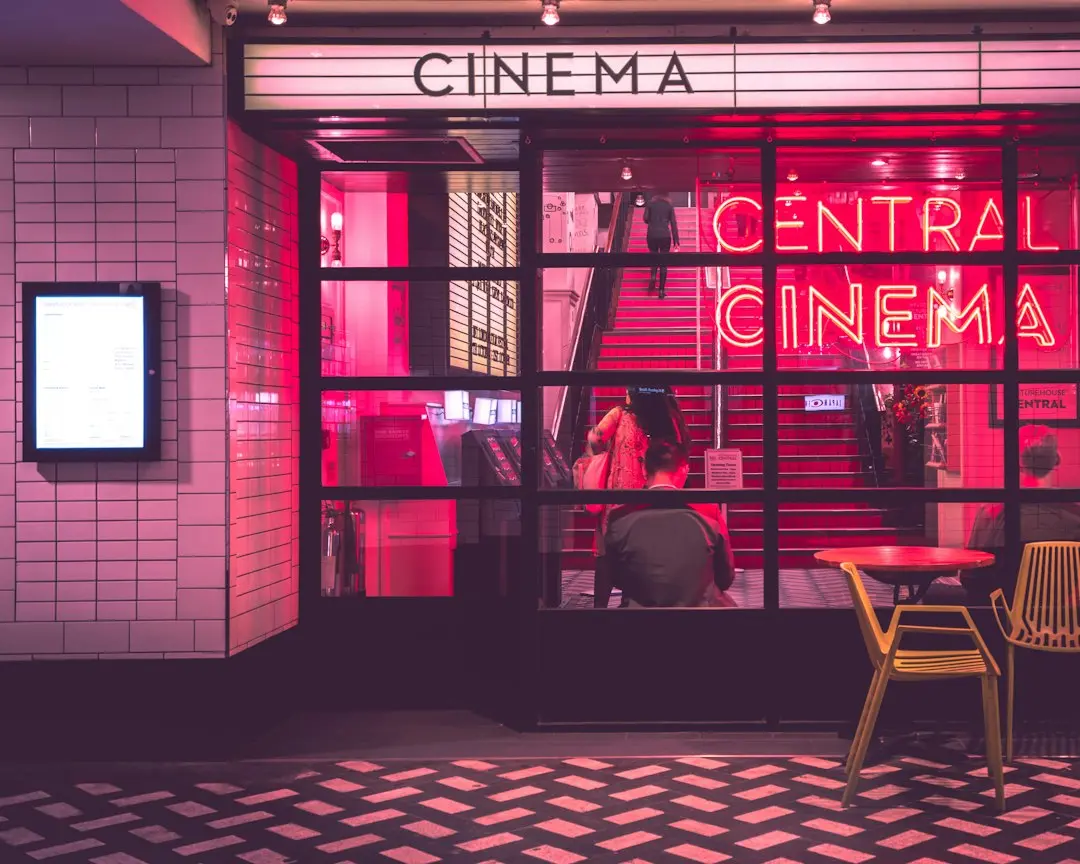 Cinema Eye Honors Unveil 2027 Documentary Nominations
The production team intentionally avoided the blinding chandeliers often associated with Regency-era ballrooms. Instead, they prioritized a grounded, intimate atmosphere for the characters. This stylistic choice reflects a broader trend in modern adaptations. Filmmakers now seek authenticity over spectacle to engage contemporary viewers. The result is a film that feels fresh despite its familiar source material.
Grace Snell designed costumes that emphasized texture and movement rather than rigid formality. Her work allowed actors to inhabit their roles with physical ease. Arnaud Potier used lighting techniques to highlight subtle facial expressions. Shadows played a crucial role in conveying internal conflict. The camera moved closer to the characters than usual. This proximity created an immediate connection between the audience and the protagonists. Viewers could observe every hesitation and glance in high definition.
Why Did Creators Choose Simplicity Over Spectacle?
Diana Reid adapted the script to preserve Austen’s sharp wit. She balanced the original dialogue with modern pacing. The screenplay maintains the core themes of reason versus emotion. However, it trims secondary plotlines to maintain momentum. This editing decision keeps the narrative tight and focused. The cast delivered performances that matched the film’s restrained tone. Their chemistry drove the romantic and familial dynamics forward.
The decision to minimize visual distractions stems from a desire for clarity. Modern audiences often find overly ornate sets distracting. By stripping away the chandeliers, the film directs attention to the story. It forces the viewer to listen to the dialogue carefully. The sound design supports this minimalist visual strategy. Quiet moments carry significant weight in the final cut. This approach respects the intelligence of the audience. It trusts them to fill in visual gaps with imagination.
The production faced challenges in balancing historical accuracy with artistic license. The team consulted historians to ensure factual grounding. Yet, they felt free to deviate where necessary. For instance, the color palette remained muted throughout most scenes. Bright colors appeared only during key emotional turning points. This symbolic use of color enhanced the storytelling impact. Critics noted that this restraint elevated the film’s overall quality.
The release of this adaptation signals a shift in period filmmaking. Studios are increasingly willing to back smaller-scale productions. These films prioritize character studies over action sequences. Future projects may follow this model of visual economy. Audiences can expect more nuanced portrayals of classic literature. The success of this film encourages similar creative risks. It proves that less can indeed be more in cinema.
Frequently Asked Questions
Who wrote the screenplay for the new film? Diana Reid served as the lead screenwriter. She worked closely with the director to adapt the novel. Her background in stage play influenced the dialogue structure.
How did the costume design differ from previous adaptations? Grace Snell focused on fabric texture and natural movement. She avoided stiff, corseted silhouettes common in older films. This allowed for greater physical freedom on set.
Did the cinematography rely on natural light? Arnaud Potier utilized available light sources extensively. He minimized artificial lighting during indoor scenes. This technique contributed to the film’s realistic aesthetic.