Authenticity Through Period Folk Traditions
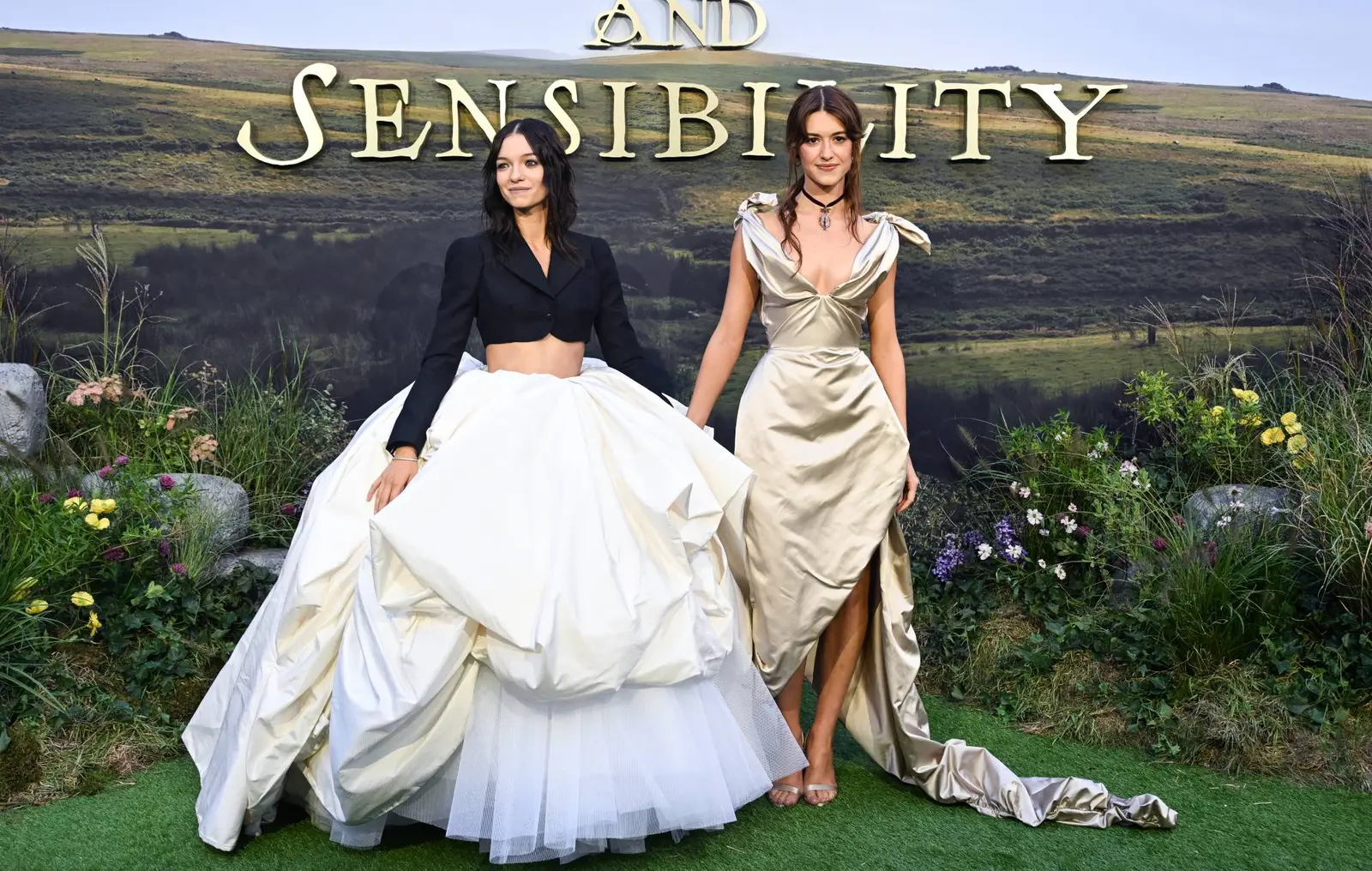
Director Georgia Oakley is bringing a fresh auditory perspective to the latest screen adaptation of Jane Austen’s classic novel, Sense and Sensibility. Released in late September 2026, the project features lead actress Esmé Creed-Miles and distinguishes itself through a carefully curated collection of 18th-century English folk music recorded specifically for the film.
Culture picks
 The Definitive Masterpiece of Modern Haunted House Cinema
 The Complete Roadmap for Future Star Wars Projects
 A Masterclass in Kaiju Cinema: The Latest Godzilla Achievement
 Five Classic Star Trek Episodes That Failed the Test of Time
Oakley opted for an authentic soundscape rather than a traditional orchestral score. By commissioning new recordings of period-accurate folk songs, the production team aims to immerse viewers in the atmospheric reality of the era. This creative choice emphasizes the cultural landscape of Austen’s world, moving away from the polished, symphonic arrangements often associated with period dramas.
The decision to utilize folk music serves as a narrative anchor for the film. These tracks were crafted to reflect the social and emotional nuances of the 18th century, providing a raw, intimate backdrop for the characters' journeys. By focusing on regional musical traditions, the production highlights the grounded, human elements of the story.
How Does the Soundtrack Shape the Viewing Experience?
The soundtrack acts as an extension of the film’s visual aesthetic. Each piece was selected to complement the specific emotional beats of the screenplay, ensuring that the music feels like a natural inhabitant of the scenes. This collaborative process between the director and the musicians results in a cohesive experience that honors the historical setting of the source material.
The music serves to bridge the gap between contemporary audiences and the Regency period. By avoiding overly dramatic compositions, the film allows the quiet, often internal struggles of the Dashwood sisters to take center stage. The folk arrangements provide a rhythmic pulse that mirrors the pacing of the narrative, creating a distinct identity for this version of the Austen classic.
Frequently Asked Questions
This commitment to sonic detail suggests a broader trend in period filmmaking toward historical specificity. By prioritizing regional folk influences, Oakley has created a unique auditory signature that sets this adaptation apart from its predecessors. It remains to be seen how audiences will respond to this departure from conventional film scoring, but the effort marks a bold step in artistic storytelling.
What kind of music features in the new adaptation? The soundtrack consists entirely of 18th-century English folk music. These tracks were specially recorded to ensure historical authenticity for the film.
Why did the director choose folk music over an orchestral score? Georgia Oakley wanted to ground the film in the realistic atmosphere of the era. The folk music provides a more intimate and period-accurate backdrop for the story.