How Dialogue Shapes the Film’s Violence
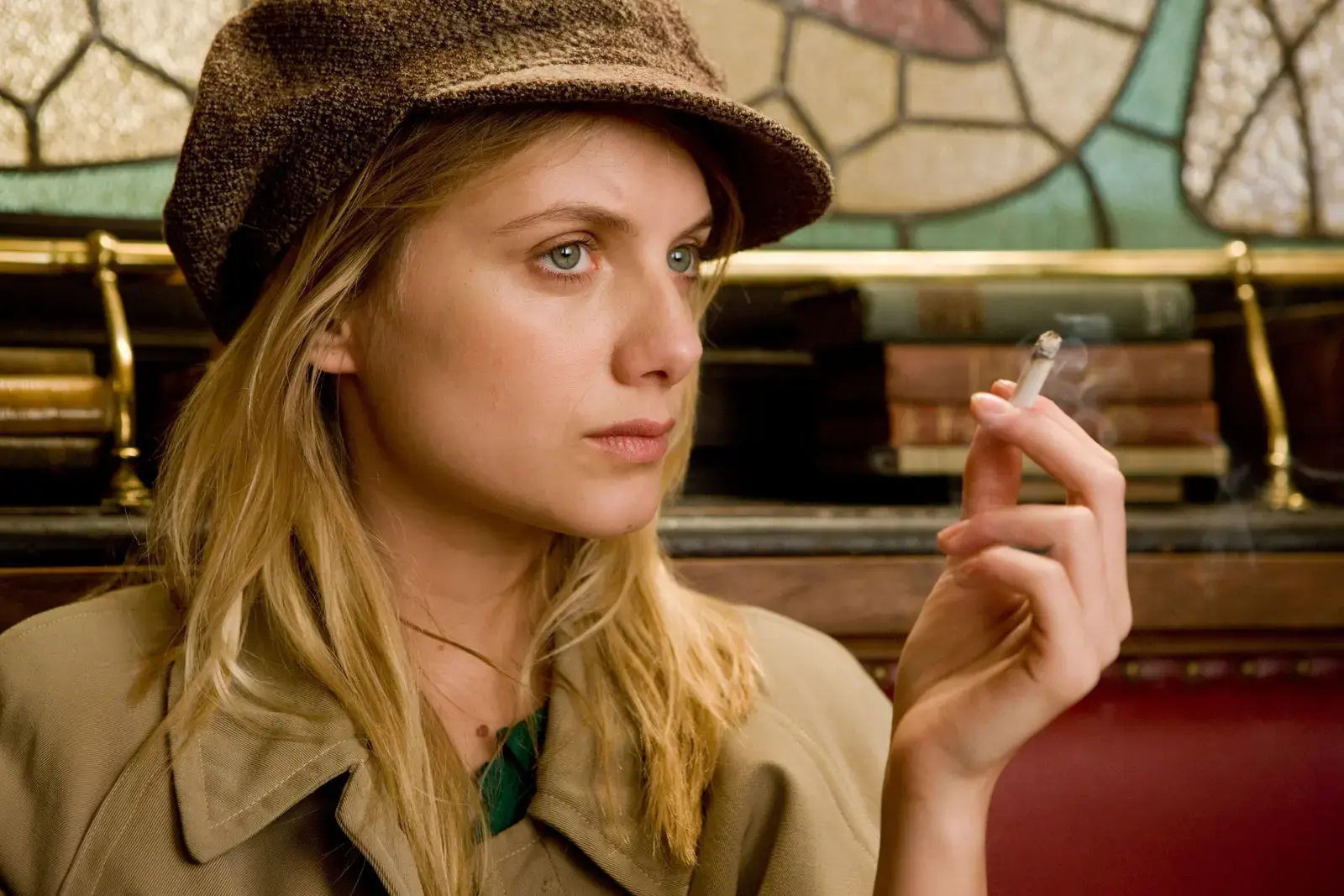
Seventeen years ago, Quentin Tarantino released his bold World War II revenge film Inglourious Basterds, blending sharp dialogue with explosive violence. The movie premiered in 2009 and quickly became a defining work in the director’s career, praised for its revisionist take on history and stylized storytelling. Set in Nazi-occupied France, it follows a group of Jewish-American soldiers on a mission to assassinate top Nazi leaders.
Culture picks
 New Daredevil Antagonist Enters MCU Ahead of Born Again Season Three
 Ben Affleck's Netflix thriller holds strong at No. 1 despite Chris Evans competition
 Chris Pratt Hints at Star-Lord's Future After Guardians Vol. 3
 New Harry Potter Book Officially Confirmed for 2027 Release
The film’s structure relies heavily on tense, extended conversations that build toward sudden bursts of action, a hallmark of Tarantino’s writing. Scenes like the opening dairy farm interrogation and the tavern standoff showcase how dialogue becomes a weapon, drawing out suspense before erupting into bloodshed. Christoph Waltz’s Oscar-winning performance as Colonel Hans Landa elevated the film’s impact, making the antagonist both charming and terrifying.
Why Did Tarantino Choose Revenge Over History?
Tarantino treats speech as a prelude to conflict, using long exchanges to manipulate audience expectations. Characters often mask true intentions behind polite conversation, creating dramatic irony when violence erupts. This technique transforms ordinary interactions into psychological duels, where words carry as much weight as bullets. The approach influenced later films that prioritize verbal tension before physical confrontation.
Instead of adhering to historical accuracy, Tarantino reimagines the end of World War II through a cathartic fantasy of Jewish vengeance. The climax, set in a burning cinema, allows the Basterds and Shosanna Dreyfus to exact collective punishment on Nazi leadership. This departure from fact serves a thematic purpose: empowering victims through narrative control. The filmmaker has stated he wanted to give audiences a story where evil faces immediate, poetic justice.
What is Inglourious Basterds about? It follows a squad of Jewish-American soldiers led by Lt. Aldo Raine as they operate behind enemy lines in Nazi-occupied France, planning to assassinate Adolf Hitler and other high-ranking officials.
Frequently Asked Questions
Who won an award for their performance in the film? Christoph Waltz won the Academy Award for Best Supporting Actor for his portrayal of SS Colonel Hans Landa, a role praised for its blend of charm and menace.
Is the film based on true events? No, while it uses real settings and historical figures, Inglourious Basterds is a fictional revisionist story that alters the outcome of World War II for dramatic and thematic effect.