From Broadcast to Home: Why Viewers Are Turning
The NBC miniseries „The Odyssey,” split into two episodes, launched on premium video‑on‑demand platforms this week. At the same time, Christopher Nolan’s cinematic retelling of the Greek epic opened in theaters and quickly rose in the domestic box‑office rankings. Both projects target the same mythic source but follow opposite distribution paths.
Culture picks
 The Vampire Diaries: Most Rewarding Character Journeys
 Netflix Officially Ends Shadow and Bone Franchise After Cancellation
 The Documentary About Elizabeth Holmes That Failed to Find Its Audience
 Nicolas Cage Returns as Spider-Noir in HBO Series
NBC’s decision to release the series on PVOD came after the network saw declining live‑tv ratings for classic literary adaptations. By offering a pay‑per‑view model, the studio hopes to capture viewers who prefer on‑demand viewing. Meanwhile, Nolan’s film, backed by a $200 million budget, leverages a global theatrical rollout to maximize ticket sales. Early reports suggest the miniseries has already generated $12 million in digital rentals, while Nolan’s picture posted a $45 million opening weekend domestically.
Industry analysts point to shifting consumer habits as the main driver behind the miniseries’ success. „Audiences are tired of waiting for weekly episodes on network television,” said Maya Patel, senior analyst at MediaInsights. „PVOD lets them binge the story at their own pace, which is especially appealing for a narrative as sprawling as the Odyssey.” The two‑part format, each episode running roughly 90 minutes, mirrors the length of a feature film, making it a seamless fit for home viewing.
Will Nolan’s Epic Overshadow the Miniseries?
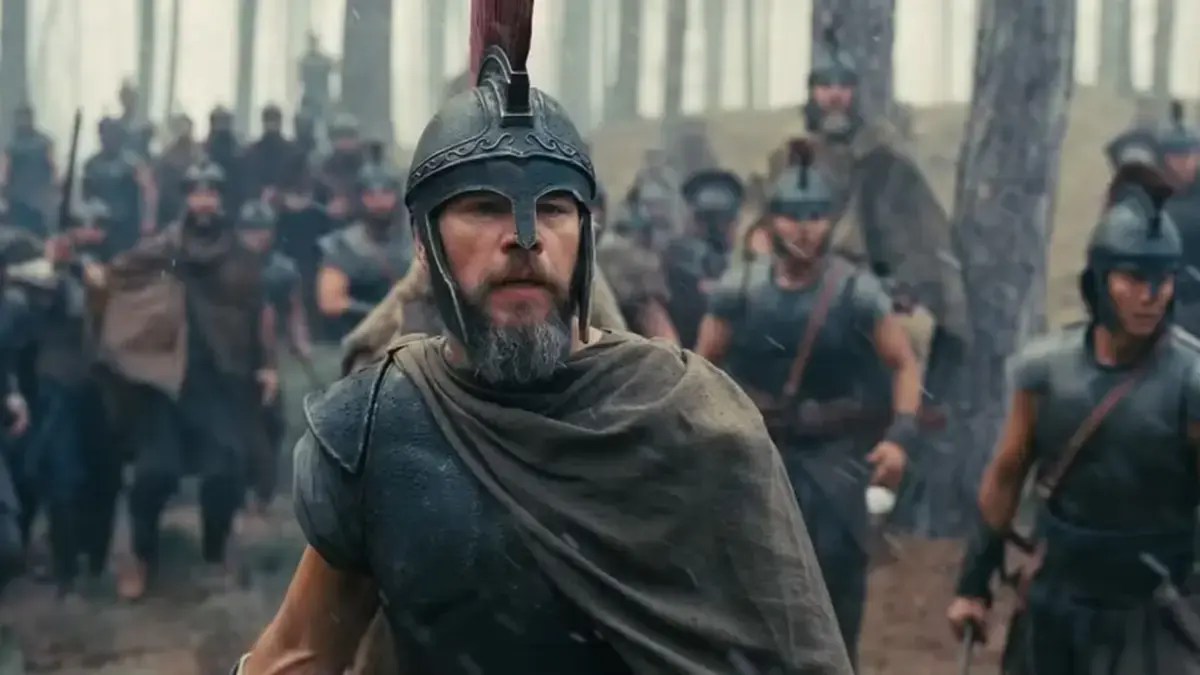
Data from Nielsen shows a 27 percent increase in premium streaming activity for classic literature titles this quarter. NBC reported that „The Odyssey” attracted 3.4 million unique viewers within its first 48 hours, surpassing the network’s average for similar productions by nearly double. Critics have praised the series for its high‑production values and faithful adherence to Homer’s verses, noting that the rain‑soaked scene of Odysseus confronting an armored legion captures the epic’s darker tone.
The simultaneous release raises the question of whether Nolan’s blockbuster will eclipse the TV adaptation. Early box‑office numbers suggest the film is on track to become the highest‑grossing mythological movie of the decade. Yet the miniseries’ digital earnings indicate a complementary audience rather than direct competition. „Fans of the story are not mutually exclusive,” observed film professor Luis Ortega of Columbia University. „Some will watch the miniseries first, then seek the theatrical experience for a different perspective.”
Social media chatter reflects this split viewership. Twitter trends show side by side, with users debating the merits of each version. While Nolan’s film boasts star‑studded casting and cutting‑edge visual effects, the TV series offers deeper character exploration across its extended runtime. Both projects benefit from the renewed public interest in ancient myths sparked by the film’s marketing campaign.
As the summer progresses, advertisers and distributors will monitor which format sustains higher engagement. If the PVOD model continues to outperform traditional broadcast numbers, networks may revisit other literary epics for digital release. Conversely, Nolan’s box‑office trajectory could reinforce the viability of big‑budget theatrical events for classic adaptations.
Frequently Asked Questions
How many people have rented the NBC miniseries so far? Within the first two days of its PVOD launch, the series recorded roughly 3.4 million unique rentals, generating about $12 million in revenue.
Is Nolan’s film performing better financially than the miniseries? Yes, the theatrical release earned $45 million in its opening weekend, far surpassing the miniseries’ early digital earnings, though the two revenue streams serve different markets.
Will there be future collaborations between NBC and major filmmakers on mythic stories? Industry insiders suggest the success of „The Odyssey” may encourage NBC to partner with high‑profile directors for similar projects, blending traditional storytelling with modern distribution models.