The Art of Cinematic Deception
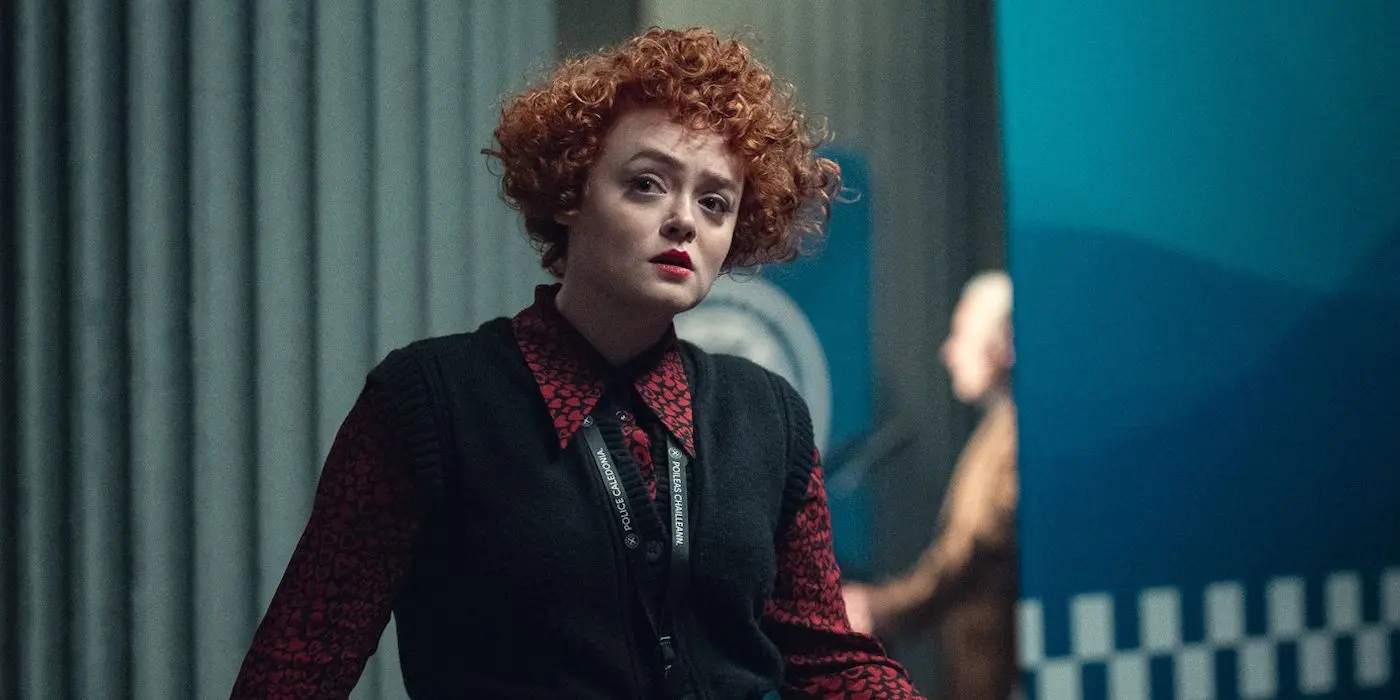
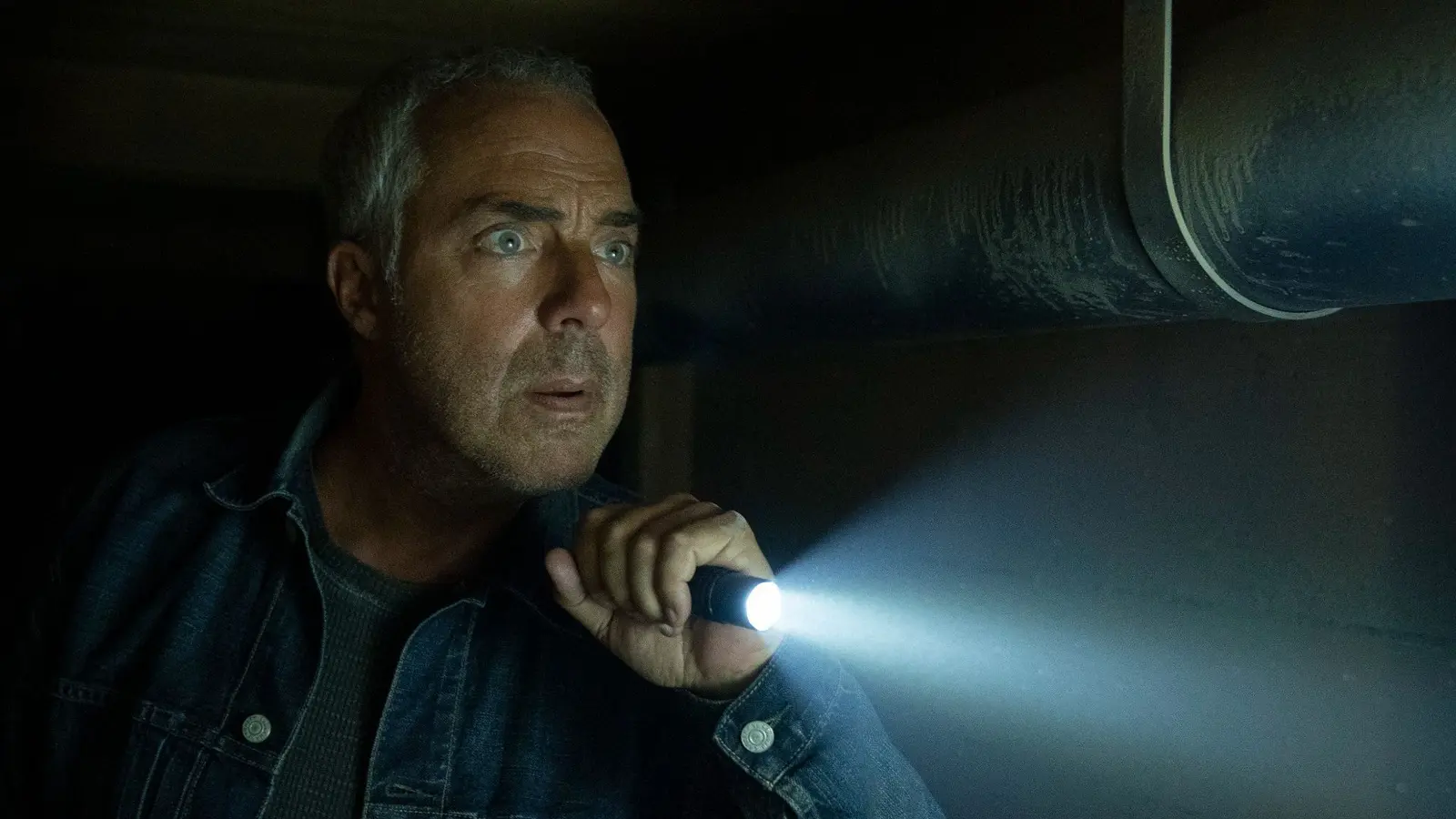
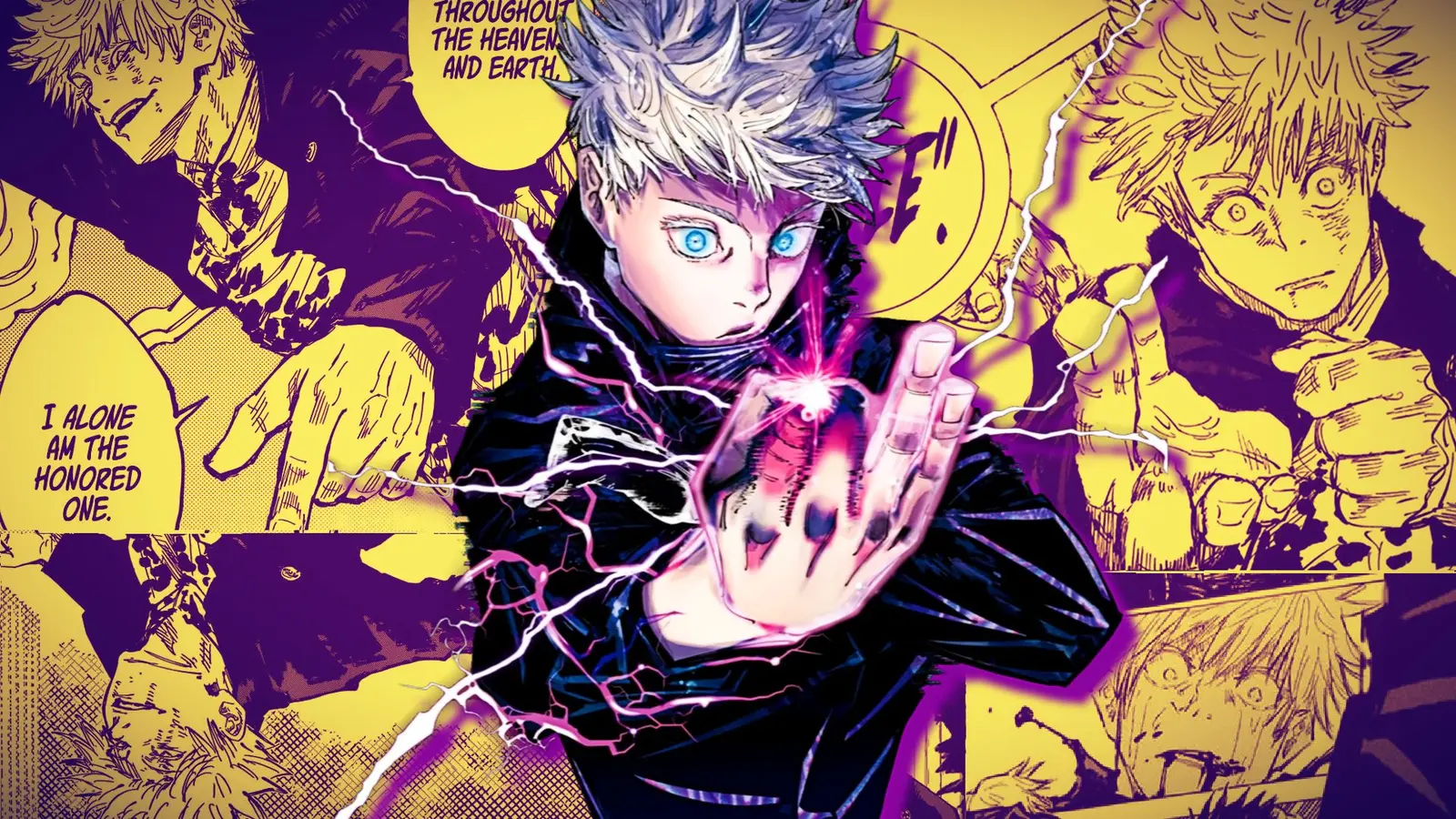
Filmmakers sometimes mislead viewers with their marketing campaigns. Movie trailers have a history of misrepresenting films. They often hide main characters or alter a movie's genre. This can turn a comedy into a seemingly terrifying horror film.
Culture picks
 The Definitive Masterpiece of Modern Haunted House Cinema
 The Complete Roadmap for Future Star Wars Projects
 A Masterclass in Kaiju Cinema: The Latest Godzilla Achievement
 Five Classic Star Trek Episodes That Failed the Test of Time
Audiences are frequently tricked into believing an actor will have a larger role. Sometimes, trailers completely avoid showing the true plot. This strategy aims to boost ticket sales.
Trailers are designed to entice moviegoers. However, this often involves strategic omissions. Key plot points are frequently left out. Character fates are also routinely obscured.
Why Do Studios Mislead?
One common tactic is to feature a popular actor prominently. This suggests a significant role for them. Yet, their screen time might be very limited. This creates a false expectation for viewers.
The primary goal is to maximize box office revenue. A compelling, even if misleading, trailer can draw large crowds. Studios believe this initial draw is crucial. They prioritize early viewership over audience satisfaction.
Another reason is to protect spoilers. Some films have major twists. Trailers might deliberately obscure these to maintain surprise. However, this can still result in a misrepresented film.
How Does This Affect Viewers?
Discovering a movie was misrepresented can be frustrating. Audiences feel cheated by the marketing. This can erode trust in future film promotions. It might also lead to disappointment with the actual movie.
The practice raises questions about ethical marketing. Should studios be more transparent? Or is some level of deception acceptable for entertainment?
Frequently Asked Questions
What is a common way trailers mislead audiences? Trailers often hide the true genre of a film. They might make a comedy look like a horror movie. They also frequently obscure the actual plot.
Why do filmmakers use misleading marketing? Filmmakers use misleading marketing to attract more viewers. They want to ensure a strong opening weekend. This strategy aims to maximize profits.
Does misleading marketing hurt audience trust? Yes, misleading marketing can damage audience trust. Viewers may feel tricked by the studios. This can make them wary of future movie promotions.