
Winkler noted that the emotional weight of the scenes shifted the focus
Max Winkler, who directed six episodes of the fourth season of Netflix’s Monster series, recently discussed the creative decisions behind the finale. The director revealed that he originally envisioned a different ending for the narrative. He also explained how Sarah Paulson’s performance influenced his final choices. This revelation offers insight into the show's complex storytelling approach. Winkler’s comments highlight the collaborative nature of high-profile television productions. The series, which chronicles true crime stories, often faces scrutiny over its historical accuracy. By sharing his initial concept, Winkler provides transparency into the production process. This transparency helps viewers understand the artistic liberties taken. It also clarifies the specific reasons behind the final cut of the episode. The Evolution of the Final Scene The director admitted that the original script contained a distinct conclusion. However, during the filming and editing phases, the team reassessed the narrative arc.
Culture picks
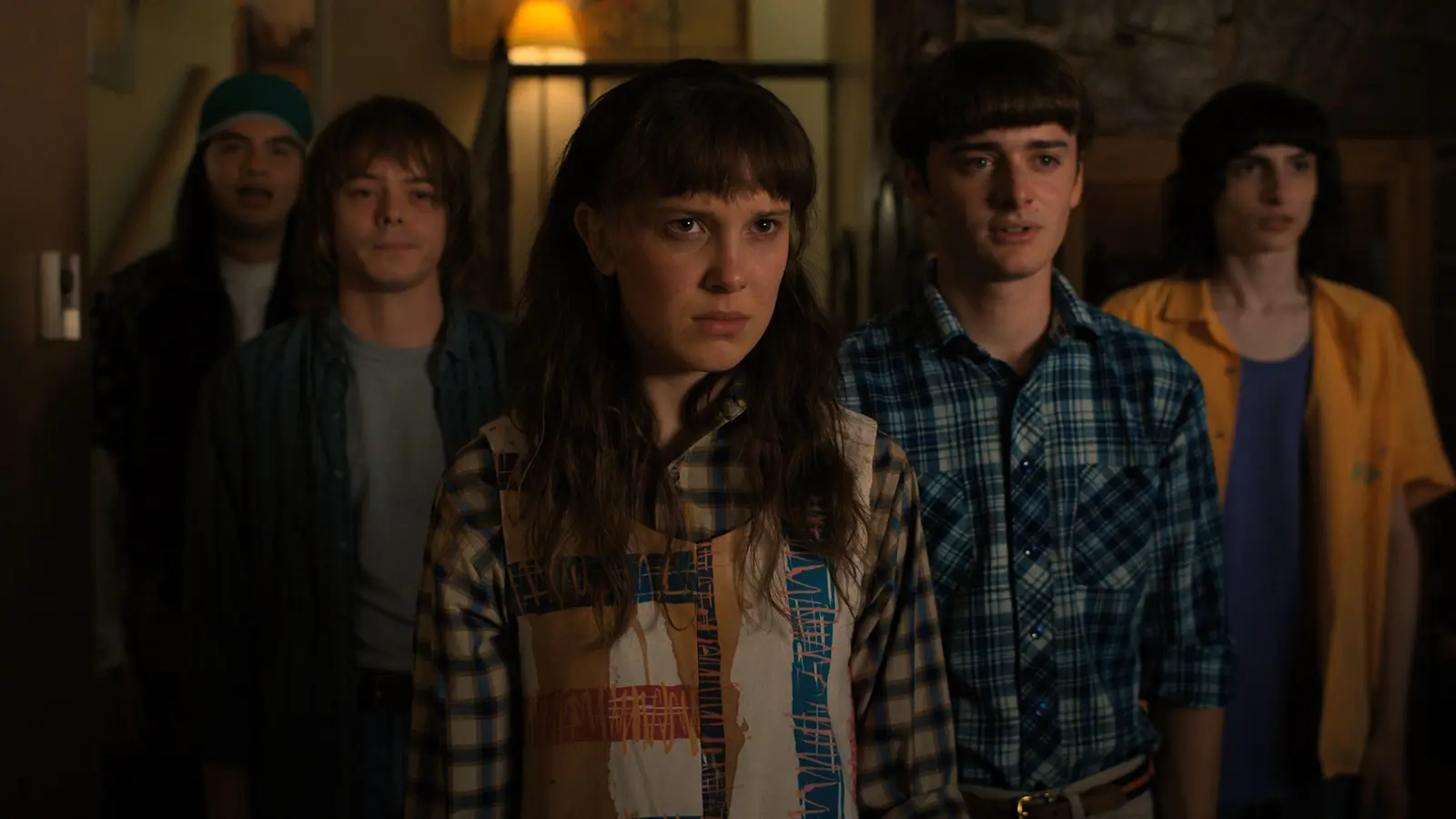 The Expanding Universe of Stranger Things After the Final Season
 A Dark Lesson in Greed Takes the Stage at Pasadena Playhouse
 Rolf de Heer to Lead Tokyo Film Festival Jury
 George Lucas Defends Controversial Star Wars Edits and CGI Choices
Winkler noted that the emotional weight of the scenes shifted the focus. He wanted to ensure the ending resonated with the core themes of the series. The change was not made lightly but emerged from a deep engagement with the material. This iterative process is common in prestige television but rarely discussed in such detail by directors. Sarah Paulson’s portrayal of Aileen Wuornos played a pivotal role in this decision. Her intense and nuanced performance demanded a specific type of closure. Winkler stated that Paulson’s interpretation of the character forced a reevaluation of the final moments. The actor’s ability to convey deep psychological complexity influenced the director’s vision. This dynamic between actor and director is a hallmark of the series' success. It ensures that the characters feel authentic and deeply human. How Performance Shaped the Narrative The interaction between Paulson and the production team was crucial.
Winkler emphasized that he was made to pauseby the quality of the performance
Winkler emphasized that he was made to pauseby the quality of the performance. This pause allowed for a deeper reflection on the story's trajectory. The final ending reflects a balance between historical fact and dramatic necessity. It aims to honor the gravity of the real-life events depicted. The decision underscores the importance of casting in true crime adaptations. Strong performances can alter the fundamental structure of a story. This approach distinguishes the series from other true crime dramas. It prioritizes character study over simple plot mechanics. Viewers are invited to engage with the moral ambiguities of the subjects. The director’s explanation adds a layer of context for fans analyzing the show. It demonstrates that the finale was a thoughtful, deliberate choice. This intentionality reinforces the show's reputation for quality storytelling. The discussion of the ending serves as a case study in television production.
It shows how creative teams adapt to on-set developments. The final product reflects a synthesis of vision and execution. As the series continues to gain attention, such behind-the-scenes insights remain valuable. They enhance the viewing experience by revealing the craft involved. The show’s legacy will likely include these discussions about its artistic integrity. Frequently Asked Questions Did Max Winkler direct all episodes of the season? No, Winkler directed six episodes of the fourth season. He provided specific insights into the finale’s development. Why did the director change the original ending? The change resulted from reassessing the narrative arc during editing. Sarah Paulson’s performance also significantly influenced the final decision.